
bottlebottle1 /ˈbɒtl $ ˈbɑːtl/ noun 
 1
1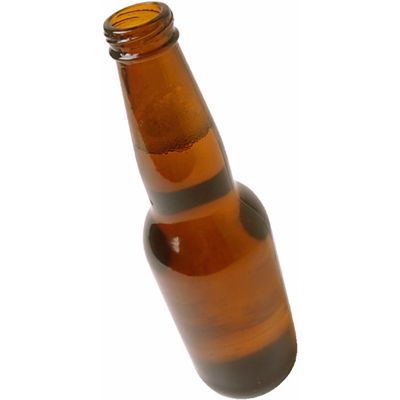 [countable] a container with a narrow top for keeping liquids in, usually made of plastic or glass顶部细窄、用于盛放液体的容器,通常由塑料或玻璃制成recipiente de cuello estrecho para guardar líquidos, generalmente de plástico o vidriorecipiente com a parte superior estreita para armazenar líquidos, geralmente feito de plástico ou vidro液体を入れるための上部が細くなった容器。通常プラスチックまたはガラス製。액체를 담는 위쪽이 좁은 용기로, 보통 플라스틱이나 유리로 만들어짐:
  an empty bottle空瓶子una botella vacíauma garrafa vazia空のびん빈 병a wine/milk/beer etc bottlebottle of a bottle of champagne一瓶香槟una botella de champánuma garrafa de champanheシャンパン一本샴페인 한 병2[countable] (also bottleful) the amount of liquid that a bottle contains一瓶液体的量;一瓶的容量la cantidad de líquido que contiene una botellaa quantidade de líquido que uma garrafa contémびん1本分の液体の量병 하나에 담긴 액체의 양: Between us, we drank three bottles of wine.我们两人一共喝了三瓶葡萄酒。Entre los dos nos bebimos tres botellas de vino.Entre nós dois, bebemos três garrafas de vinho.二人で合わせてワインを3本飲んだ。우리 둘이서 와인을 세 병 마셨다.3[countable] a container for babies to drink from, with a rubber part on top that they suck, or the milk contained in this bottle婴儿奶瓶;供婴儿吮吸的容器,顶部有橡皮奶嘴,亦指瓶中的奶biberón; recipiente del que los bebés beben, con una parte de goma en la parte superior que chupan; también la leche que contienemamadeira; recipiente do qual os bebês bebem, com uma parte de borracha na parte superior para sugar; também o leite contido nela哺乳瓶;赤ちゃんが吸って飲む、上部にゴム製の乳首がついた容器。またはその中に入ったミルク。젖병; 아기가 위쪽의 고무 부분을 빨아 마시는 용기, 또는 그 안에 담긴 우유: My first baby just wouldn’t take a bottle at all.我的第一个孩子完全不肯用奶瓶喝奶。Mi primer bebé simplemente no quería tomar el biberón.Meu primeiro filho simplesmente não aceitava mamadeira de jeito nenhum.最初の子はまったく哺乳瓶を受けつけなかった。내 첫째 아이는 젖병을 전혀 받아들이려 하지 않았다.4the bottle alcoholic drink – used when talking about the problems drinking can cause酒精饮料——用于谈论饮酒可能造成的问题bebida alcohólica — usado al hablar de los problemas que puede causar el alcoholbebida alcoólica — usado ao falar sobre os problemas que o álcool pode causarアルコール飲料——飲酒がもたらす問題を話すときに使う알코올 음료 — 음주로 인한 문제를 이야기할 때 사용: Peter let the bottle ruin his life.Peter让酒精毁了自己的生活。Peter dejó que el alcohol arruinara su vida.Peter deixou o álcool arruinar sua vida.Peterは酒に人生を台無しにされた。Peter는 술이 자신의 삶을 망치도록 내버려 두었다.hit the bottle (=regularly drink too much)(=经常过量饮酒)(=beber demasiado habitualmente)(=beber demais com frequência)(=習慣的に飲みすぎる)(=습관적으로 과음하다) She was under a lot of stress, and started hitting the bottle.她压力很大,开始酗酒。Ella estaba bajo mucho estrés y empezó a beber en exceso.Ela estava sob muito estresse e começou a beber demais.彼女はひどいストレスを抱えており、大酒を飲むようになった。그녀는 스트레스가 극심해서 폭음을 시작했다.be on the bottle British English (=be drinking a lot of alcohol regularly)(=经常大量饮酒)(=estar bebiendo mucho alcohol habitualmente)(=estar bebendo muito álcool regularmente)(=習慣的に大量の酒を飲んでいる)(=규칙적으로 술을 많이 마시고 있다)5[uncountable] British English informal非正式informalinformalインフォーマル비격식 courage to do something that is dangerous or unpleasant勇气;做危险或令人不快之事的胆量valentía para hacer algo peligroso o desagradablecoragem para fazer algo perigoso ou desagradável危険なことや不快なことをするための勇気、度胸위험하거나 불쾌한 일을 할 배짱, 용기 SYN nerve: I never thought she’d have the bottle to do it!我从没想到她会有胆量去做那件事!¡Nunca pensé que ella tendría el valor de hacerlo!Nunca pensei que ela teria coragem de fazer isso!彼女にそれをする度胸があるとは思いもしなかった!그녀가 그럴 배짱이 있을 줄은 몰랐어!6bring a bottle British English, bring your own bottle American English used when you invite someone to an informal party, to tell them that they should bring their own bottle of alcoholic drink邀请某人参加非正式聚会时使用,告知对方应自带酒水expresión usada al invitar a alguien a una fiesta informal para indicarle que debe traer su propia botella de bebida alcohólicausado ao convidar alguém para uma festa informal para indicar que cada um deve trazer sua própria garrafa de bebida alcoólica非公式なパーティーに招くときに使い、アルコール飲料を各自持参するよう伝える表現비공식 파티에 초대할 때 쓰며, 알코올 음료를 각자 가져와야 한다는 뜻 → hot-water bottle
1[countable] a container with a narrow top for keeping liquids in, usually made of plastic or glass顶部细窄、用于盛放液体的容器,通常由塑料或玻璃制成recipiente de cuello estrecho para guardar líquidos, generalmente de plástico o vidriorecipiente com a parte superior estreita para armazenar líquidos, geralmente feito de plástico ou vidro液体を入れるための上部が細くなった容器。通常プラスチックまたはガラス製。액체를 담는 위쪽이 좁은 용기로, 보통 플라스틱이나 유리로 만들어짐: an empty bottle空瓶子una botella vacíauma garrafa vazia空のびん빈 병a wine/milk/beer etc bottlebottle of a bottle of champagne一瓶香槟una botella de champánuma garrafa de champanheシャンパン一本샴페인 한 병2[countable] (also bottleful) the amount of liquid that a bottle contains一瓶液体的量;一瓶的容量la cantidad de líquido que contiene una botellaa quantidade de líquido que uma garrafa contémびん1本分の液体の量병 하나에 담긴 액체의 양: Between us, we drank three bottles of wine.我们两人一共喝了三瓶葡萄酒。Entre los dos nos bebimos tres botellas de vino.Entre nós dois, bebemos três garrafas de vinho.二人で合わせてワインを3本飲んだ。우리 둘이서 와인을 세 병 마셨다.3[countable] a container for babies to drink from, with a rubber part on top that they suck, or the milk contained in this bottle婴儿奶瓶;供婴儿吮吸的容器,顶部有橡皮奶嘴,亦指瓶中的奶biberón; recipiente del que los bebés beben, con una parte de goma en la parte superior que chupan; también la leche que contienemamadeira; recipiente do qual os bebês bebem, com uma parte de borracha na parte superior para sugar; também o leite contido nela哺乳瓶;赤ちゃんが吸って飲む、上部にゴム製の乳首がついた容器。またはその中に入ったミルク。젖병; 아기가 위쪽의 고무 부분을 빨아 마시는 용기, 또는 그 안에 담긴 우유: My first baby just wouldn’t take a bottle at all.我的第一个孩子完全不肯用奶瓶喝奶。Mi primer bebé simplemente no quería tomar el biberón.Meu primeiro filho simplesmente não aceitava mamadeira de jeito nenhum.最初の子はまったく哺乳瓶を受けつけなかった。내 첫째 아이는 젖병을 전혀 받아들이려 하지 않았다.4the bottle alcoholic drink – used when talking about the problems drinking can cause酒精饮料——用于谈论饮酒可能造成的问题bebida alcohólica — usado al hablar de los problemas que puede causar el alcoholbebida alcoólica — usado ao falar sobre os problemas que o álcool pode causarアルコール飲料——飲酒がもたらす問題を話すときに使う알코올 음료 — 음주로 인한 문제를 이야기할 때 사용: Peter let the bottle ruin his life.Peter让酒精毁了自己的生活。Peter dejó que el alcohol arruinara su vida.Peter deixou o álcool arruinar sua vida.Peterは酒に人生を台無しにされた。Peter는 술이 자신의 삶을 망치도록 내버려 두었다.hit the bottle (=regularly drink too much)(=经常过量饮酒)(=beber demasiado habitualmente)(=beber demais com frequência)(=習慣的に飲みすぎる)(=습관적으로 과음하다) She was under a lot of stress, and started hitting the bottle.她压力很大,开始酗酒。Ella estaba bajo mucho estrés y empezó a beber en exceso.Ela estava sob muito estresse e começou a beber demais.彼女はひどいストレスを抱えており、大酒を飲むようになった。그녀는 스트레스가 극심해서 폭음을 시작했다.be on the bottle British English (=be drinking a lot of alcohol regularly)(=经常大量饮酒)(=estar bebiendo mucho alcohol habitualmente)(=estar bebendo muito álcool regularmente)(=習慣的に大量の酒を飲んでいる)(=규칙적으로 술을 많이 마시고 있다)5[uncountable] British English informal非正式informalinformalインフォーマル비격식 courage to do something that is dangerous or unpleasant勇气;做危险或令人不快之事的胆量valentía para hacer algo peligroso o desagradablecoragem para fazer algo perigoso ou desagradável危険なことや不快なことをするための勇気、度胸위험하거나 불쾌한 일을 할 배짱, 용기 SYN nerve: I never thought she’d have the bottle to do it!我从没想到她会有胆量去做那件事!¡Nunca pensé que ella tendría el valor de hacerlo!Nunca pensei que ela teria coragem de fazer isso!彼女にそれをする度胸があるとは思いもしなかった!그녀가 그럴 배짱이 있을 줄은 몰랐어!6bring a bottle British English, bring your own bottle American English used when you invite someone to an informal party, to tell them that they should bring their own bottle of alcoholic drink邀请某人参加非正式聚会时使用,告知对方应自带酒水expresión usada al invitar a alguien a una fiesta informal para indicarle que debe traer su propia botella de bebida alcohólicausado ao convidar alguém para uma festa informal para indicar que cada um deve trazer sua própria garrafa de bebida alcoólica非公式なパーティーに招くときに使い、アルコール飲料を各自持参するよう伝える表現비공식 파티에 초대할 때 쓰며, 알코올 음료를 각자 가져와야 한다는 뜻 → hot-water bottlebottlebottle2 verb [transitive] 1to put a liquid, especially wine or beer, into a bottle after you have made it将液体(尤指葡萄酒或啤酒)酿好后装入瓶中poner un líquido, especialmente vino o cerveza, en una botella después de elaborarlocolocar um líquido, especialmente vinho ou cerveja, em garrafa após fabricá-lo製造したあと、液体(特にワインやビール)を瓶に詰める만든 후 액체(특히 와인이나 맥주)를 병에 넣다: The whisky is bottled here before being sent abroad.威士忌在此装瓶后运往海外。El whisky se embotella aquí antes de enviarse al extranjero.O uísque é engarrafado aqui antes de ser enviado ao exterior.このウイスキーはここで瓶詰めされてから海外に出荷される。이 위스키는 여기서 병입된 후 해외로 보내진다.2 British English to put vegetables or fruit into special glass containers in order to preserve them将蔬菜或水果装入特制玻璃罐中以便保存poner verduras o frutas en recipientes especiales de vidrio para conservarlascolocar vegetais ou frutas em recipientes especiais de vidro para conservá-los野菜や果物を保存するために専用のガラス容器に詰める채소나 과일을 보존하기 위해 특수 유리 용기에 넣다 SYN can American Englishbottle out (also bottle it) phrasal verb British English informal非正式informalinformalインフォーマル비격식 to suddenly decide not to do something because you are frightened因恐惧而临阵退缩,突然决定不做某事decidir de repente no hacer algo por miedodecidir de repente não fazer algo por medo怖くなって急に何かをするのをやめようと決める;尻込みする무서워서 갑자기 어떤 일을 하지 않기로 결심하다; 겁을 먹고 포기하다 SYN cop out: ‘Did you tell him?’ ‘No, I bottled out at the last minute.’"你告诉他了吗?""没有,我最后一刻退缩了。""¿Se lo dijiste?" "No, me eché atrás en el último momento.""Você disse a ele?" "Não, recuei na última hora."「彼に話したの?」「いや、最後の瞬間に尻込みしてしまった。」"그에게 말했어?" "아니, 마지막 순간에 겁을 먹고 포기했어."bottle something ↔ up phrasal verb1to deliberately not allow yourself to show a strong feeling or emotion刻意压抑强烈的感情或情绪,不让自己表露出来no permitirse deliberadamente mostrar un sentimiento o emoción intensadeliberadamente não se permitir demonstrar um sentimento ou emoção forte強い感情を意図的に表に出さないようにする강한 감정이나 정서를 의도적으로 드러내지 않다: It is far better to cry than to bottle up your feelings.哭出来远比压抑自己的感情要好得多。Es mucho mejor llorar que reprimir tus sentimientos.É muito melhor chorar do que reprimir seus sentimentos.感情を溜め込むより、泣いたほうがずっといい。감정을 억누르는 것보다 우는 것이 훨씬 낫다.2to cause problems by delaying something拖延某事,从而造成阻塞或问题causar problemas al retrasar o bloquear algocausar problemas ao atrasar ou bloquear algo何かを滞らせて問題を引き起こす무언가를 지연·차단시켜 문제를 일으키다: The bill has been bottled up in Congress.该法案在国会中被搁置。El proyecto de ley ha quedado bloqueado en el Congreso.O projeto de lei ficou paralisado no Congresso.その法案は議会で棚上げにされている。그 법안은 의회에서 발목이 잡혀 있다.
1to put a liquid, especially wine or beer, into a bottle after you have made it将液体(尤指葡萄酒或啤酒)酿好后装入瓶中poner un líquido, especialmente vino o cerveza, en una botella después de elaborarlocolocar um líquido, especialmente vinho ou cerveja, em garrafa após fabricá-lo製造したあと、液体(特にワインやビール)を瓶に詰める만든 후 액체(특히 와인이나 맥주)를 병에 넣다: The whisky is bottled here before being sent abroad.威士忌在此装瓶后运往海外。El whisky se embotella aquí antes de enviarse al extranjero.O uísque é engarrafado aqui antes de ser enviado ao exterior.このウイスキーはここで瓶詰めされてから海外に出荷される。이 위스키는 여기서 병입된 후 해외로 보내진다.2 British English to put vegetables or fruit into special glass containers in order to preserve them将蔬菜或水果装入特制玻璃罐中以便保存poner verduras o frutas en recipientes especiales de vidrio para conservarlascolocar vegetais ou frutas em recipientes especiais de vidro para conservá-los野菜や果物を保存するために専用のガラス容器に詰める채소나 과일을 보존하기 위해 특수 유리 용기에 넣다 SYN can American Englishbottle out (also bottle it) phrasal verb British English informal非正式informalinformalインフォーマル비격식 to suddenly decide not to do something because you are frightened因恐惧而临阵退缩,突然决定不做某事decidir de repente no hacer algo por miedodecidir de repente não fazer algo por medo怖くなって急に何かをするのをやめようと決める;尻込みする무서워서 갑자기 어떤 일을 하지 않기로 결심하다; 겁을 먹고 포기하다 SYN cop out: ‘Did you tell him?’ ‘No, I bottled out at the last minute.’"你告诉他了吗?""没有,我最后一刻退缩了。""¿Se lo dijiste?" "No, me eché atrás en el último momento.""Você disse a ele?" "Não, recuei na última hora."「彼に話したの?」「いや、最後の瞬間に尻込みしてしまった。」"그에게 말했어?" "아니, 마지막 순간에 겁을 먹고 포기했어."bottle something ↔ up phrasal verb1to deliberately not allow yourself to show a strong feeling or emotion刻意压抑强烈的感情或情绪,不让自己表露出来no permitirse deliberadamente mostrar un sentimiento o emoción intensadeliberadamente não se permitir demonstrar um sentimento ou emoção forte強い感情を意図的に表に出さないようにする강한 감정이나 정서를 의도적으로 드러내지 않다: It is far better to cry than to bottle up your feelings.哭出来远比压抑自己的感情要好得多。Es mucho mejor llorar que reprimir tus sentimientos.É muito melhor chorar do que reprimir seus sentimentos.感情を溜め込むより、泣いたほうがずっといい。감정을 억누르는 것보다 우는 것이 훨씬 낫다.2to cause problems by delaying something拖延某事,从而造成阻塞或问题causar problemas al retrasar o bloquear algocausar problemas ao atrasar ou bloquear algo何かを滞らせて問題を引き起こす무언가를 지연·차단시켜 문제를 일으키다: The bill has been bottled up in Congress.该法案在国会中被搁置。El proyecto de ley ha quedado bloqueado en el Congreso.O projeto de lei ficou paralisado no Congresso.その法案は議会で棚上げにされている。그 법안은 의회에서 발목이 잡혀 있다.