
flowerflower1 /ˈflaʊə $ -ər/ noun [countable] 
 1
1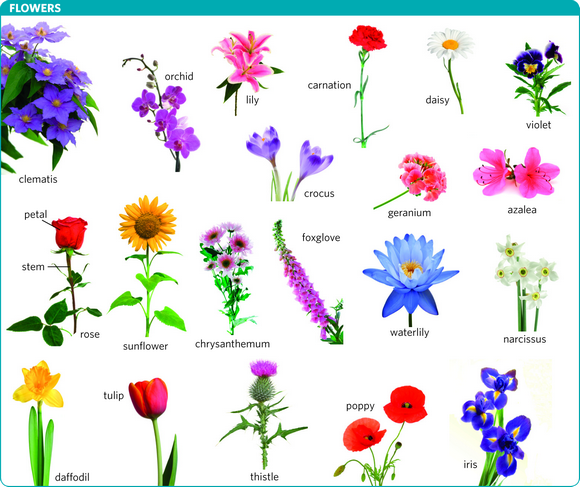 a coloured or white part that a plant or tree produces before fruit or seeds植物或树木在结果或产种子之前生出的有颜色或白色的部分parte de color o blanca que produce una planta o árbol antes que frutos o semillasparte colorida ou branca que uma planta ou árvore produz antes de dar frutos ou sementes植物や木が果実や種子をつける前に生じる、色のついた、または白い部分식물이나 나무가 열매나 씨앗을 맺기 전에 생기는 색깔 있는 또는 흰색 부분:
  a lovely rose bush with delicate pink flowers一丛开着娇嫩粉色花朵的可爱玫瑰灌木un hermoso rosal con delicadas flores rosasum lindo arbusto de rosas com delicadas flores cor-de-rosa繊細なピンクの花が咲く美しいバラの茂み섬세한 분홍색 꽃이 피어 있는 사랑스러운 장미 덤불 fields full of beautiful wild flowers开满美丽野花的田野campos llenos de hermosas flores silvestrescampos cheios de belas flores silvestres美しい野花で満ちた野原아름다운 야생화로 가득한 들판2a small plant that produces beautiful flowers能开出美丽花朵的小型植物planta pequeña que produce hermosas floresplanta pequena que produz flores bonitas美しい花を咲かせる小さな植物아름다운 꽃을 피우는 작은 식물: He wasn’t interested in growing flowers in the garden.他对在花园里种花不感兴趣。No le interesaba cultivar flores en el jardín.Ele não tinha interesse em cultivar flores no jardim.彼は庭で花を育てることに興味がなかった。그는 정원에서 꽃을 키우는 데 관심이 없었다. She bent down and picked a flower.她弯下腰摘了一朵花。Se agachó y recogió una flor.Ela se abaixou e colheu uma flor.彼女はかがんで花を一輪摘んだ。그녀는 몸을 굽혀 꽃 한 송이를 꺾었다.bunch/bouquet of flowers The first night we met he gave me a bunch of flowers.我们初次相识的那天晚上,他送给我一束花。La primera noche que nos conocimos me dio un ramo de flores.Na primeira noite em que nos conhecemos, ele me deu um buquê de flores.初めて会った夜、彼は私に花束をくれた。우리가 처음 만난 날 밤, 그는 나에게 꽃다발을 건네주었다. a beautiful flower arrangement (=flowers arranged together in an attractive way)精美的插花(=以美观方式将花朵组合排列)un hermoso arreglo floral (=flores dispuestas juntas de manera atractiva)um lindo arranjo floral (=flores dispostas juntas de maneira atraente)美しい花のアレンジメント(=花を魅力的にまとめて飾ったもの)아름다운 꽃꽂이 (=꽃들을 보기 좋게 함께 배치한 것)3in flower a plant or tree that is in flower has flowers on it处于开花状态的植物或树木,其上开着花朵una planta o árbol que está en flor tiene flores en éluma planta ou árvore que está em flor tem flores nela植物や木が「in flower」の状態にあるとは、花が咲いていることをいうin flower 상태인 식물이나 나무는 꽃이 피어 있다는 뜻이다 SYN in bloom: It was May, and the apple trees were all in flower.那时是五月,苹果树全都开花了。Era mayo y todos los manzanos estaban en flor.Era maio e todas as macieiras estavam em flor.5月で、リンゴの木はどれも花を咲かせていた。5월이었고, 사과나무들은 모두 꽃을 피우고 있었다. Roses start to come into flower in June.玫瑰在六月开始开花。Las rosas empiezan a florecer en junio.As rosas começam a florescer em junho.バラは6月に咲き始める。장미는 6월에 꽃을 피우기 시작한다.4the flower of something literary文学literarioliterário文語문어체 the best part of something某事物中最美好的部分;精华la mejor parte de algoa melhor parte de algo何かの最も優れた部分;精華무언가의 가장 좋은 부분; 정수: young men killed in the flower of their youth在青春年华中牺牲的年轻人jóvenes que murieron en la flor de su juventudjovens mortos na flor da juventude青春の盛りに命を落とした若者たち청춘의 한창 때에 죽임을 당한 젊은이들COLLOCATIONS词语搭配COLOCACIONESCOLOCAÇÕESコロケーション연어– Meanings 1 & 2– 释义 1 和 2– Significados 1 y 2– Significados 1 e 2– 語義 1 と 2– 뜻풀이 1 & 2ADJECTIVES/NOUN + flower形容词/名词 + flowerADJETIVOS/SUSTANTIVO + flowerADJETIVOS/SUBSTANTIVO + flower形容詞・名詞 + flower형용사/명사 + flowerlovely/pretty/beautiful· They admired the lovely flowers in the garden.· 他们欣赏着花园里美丽的花朵。· Admiraron las hermosas flores del jardín.· Eles admiraram as flores lindas do jardim.· 彼らは庭の美しい花を眺めて楽しんだ。· 그들은 정원의 사랑스러운 꽃들을 감상했다.delicate· The plant produces delicate purple flowers.· 这株植物开出娇嫩的紫色花朵。· La planta produce delicadas flores moradas.· A planta produz delicadas flores roxas.· その植物は繊細な紫の花をつける。· 그 식물은 섬세한 보라색 꽃을 피운다.rare· A number of rare flowers grow in these woods.· 这片树林里生长着几种稀有的花卉。· En estos bosques crecen varias flores raras.· Várias flores raras crescem nessas matas.· この森にはいくつかの珍しい花が育っている。· 이 숲에는 몇 가지 희귀한 꽃들이 자란다.dead· There were dead flowers in a vase of green water.· 花瓶里的绿色水中插着枯萎的花。· Había flores marchitas en un florero con agua verdosa.· Havia flores murchas em um vaso com água verde.· 緑色になった水の入った花瓶に枯れた花が挿してあった。· 초록빛으로 변한 물이 담긴 꽃병에 시든 꽃들이 꽂혀 있었다.artificial· a basket of artificial flowers· 一篮人造花· una cesta de flores artificiales· uma cesta de flores artificiais· 造花のかご· 조화 한 바구니a wild flower· The meadows were covered with wild flowers.· 草地上开满了野花。· Los prados estaban cubiertos de flores silvestres.· As pradarias estavam cobertas de flores silvestres.· 牧草地は野花で覆われていた。· 들판은 야생화로 뒤덮여 있었다.a garden flower· Dahlias have become one of the best loved garden flowers.· 大丽花已成为最受喜爱的园艺花卉之一。· Las dalias se han convertido en una de las flores de jardín más apreciadas.· As dálias se tornaram uma das flores de jardim mais amadas.· ダリアは最も愛される庭の花の一つになった。· 달리아는 가장 사랑받는 정원 꽃 중 하나가 되었다.an exotic flower· We grow exotic flowers from all over the world.· 我们培育来自世界各地的奇异花卉。· Cultivamos flores exóticas de todo el mundo.· Cultivamos flores exóticas de todo o mundo.· 私たちは世界中の珍しい花を育てている。· 우리는 세계 각지에서 온 이국적인 꽃들을 재배한다.a spring/summer/autumn/winter flower· The mountainsides were blanketed with spring flowers.· 山坡上铺满了春天的花朵。· Las laderas de la montaña estaban cubiertas de flores primaverales.· As encostas da montanha estavam cobertas de flores de primavera.· 山の斜面は春の花で一面覆われていた。· 산비탈은 봄꽃으로 뒤덮여 있었다.cut flowers· Make cut flowers last longer by changing the water in the vase.· 通过更换花瓶中的水,让切花保持更长时间的新鲜。· Haz que las flores cortadas duren más tiempo cambiando el agua del florero.· Faça as flores cortadas durarem mais tempo trocando a água do vaso.· 花瓶の水を替えることで、切り花を長持ちさせましょう。· 꽃병의 물을 갈아주면 꺾은 꽃을 더 오래 유지할 수 있다.dried flowers· She had brightened up the room with a vase of dried flowers.· 她用一瓶干花装点了房间,让室内焕然一新。· Había alegrado la habitación con un florero de flores secas.· Ela tinha animado o quarto com um vaso de flores secas.· 彼女はドライフラワーの花瓶で部屋を明るく飾った。· 그녀는 드라이플라워 화병으로 방을 환하게 꾸며 놓았다.a silk flower· She wore a huge silk flower in her hair.· 她头上戴着一朵巨大的绸缎花。· Llevaba una enorme flor de seda en el pelo.· Ela usava uma enorme flor de seda no cabelo.· 彼女は髪に大きなシルクの花を飾っていた。· 그녀는 머리에 커다란 실크 꽃을 달고 있었다.verbs动词verbosverbos動詞동사flowers grow· Flowers were growing along the side of the road.· 花朵沿着路边生长。· Crecían flores a lo largo de la orilla del camino.· Flores cresciam ao longo da beira da estrada.· 道路の脇に沿って花が育っていた。· 도로 옆을 따라 꽃들이 자라고 있었다.flowers bloom (=start appearing on a plant)· Spring flowers bloomed in the meadows.· 草地上盛开着春日的花朵。· Las flores de primavera florecían en los prados.· Flores de primavera desabrochavam nas pradarias.· 牧草地に春の花が咲き誇っていた。· 들판에 봄꽃이 활짝 피어 있었다.flowers open· As the weather gets warmer, the flowers open.· 随着天气变暖,花朵相继开放。· A medida que el tiempo se calienta, las flores se abren.· À medida que o tempo fica mais quente, as flores se abrem.· 気温が上がるにつれて、花が開く。· 날씨가 따뜻해지면서 꽃들이 피어난다.grow flowers· He grows flowers as well as vegetables.· 他既种蔬菜,也种花。· Cultiva flores además de verduras.· Ele cultiva flores além de verduras.· 彼は野菜のほか花も育てている。· 그는 채소뿐만 아니라 꽃도 재배한다.pick flowers· I'll pick some flowers to put on the table.· 我去摘些花放在桌上。· Voy a cortar unas flores para poner en la mesa.· Vou colher algumas flores para colocar na mesa.· テーブルに飾る花をいくつか摘んでこよう。· 테이블에 놓을 꽃을 좀 꺾어 올게요.produce flowers· The plant will produce beautiful trumpet-shaped flowers.· 这株植物会开出美丽的喇叭形花朵。· La planta producirá hermosas flores en forma de trompeta.· A planta produzirá belas flores em formato de trombeta.· その植物は美しいトランペット形の花をつける。· 그 식물은 아름다운 트럼펫 모양의 꽃을 피울 것이다.pollinate flowers (=give a flower or plant pollen so that it can produce seeds)· Various insects pollinate the flowers.· 各种昆虫为花朵传粉。· Varios insectos polinizan las flores.· Vários insetos polinizam as flores.· さまざまな昆虫が花を授粉する。· 다양한 곤충들이 꽃을 수분한다.be covered in flowers (=have flowers on every part)· The fields were covered in wild flowers.· 田野里开满了野花。· Los campos estaban cubiertos de flores silvestres.· Os campos estavam cobertos de flores silvestres.· 野原は野花で覆われていた。· 들판은 야생화로 뒤덮여 있었다.phrases短语fraseslocuçõesフレーズ구a bunch of flowers· He gave me a lovely bunch of flowers.· 他送给我一束美丽的花。· Me regaló un hermoso ramo de flores.· Ele me deu um lindo buquê de flores.· 彼は私に素敵な花束をくれた。· 그는 나에게 사랑스러운 꽃다발을 주었다.a bouquet of flowers (=a large bunch of flowers that is given to someone)· The bride held a bouquet of flowers.· 新娘手捧一束鲜花。· La novia sostenía un ramo de flores.· A noiva segurava um buquê de flores.· 花嫁は花束を手に持っていた。· 신부는 꽃다발을 들고 있었다.a vase of flowers· On the table was a vase of flowers.· 桌上摆着一瓶花。· Sobre la mesa había un florero con flores.· Sobre a mesa havia um vaso de flores.· テーブルの上に花の入った花瓶があった。· 테이블 위에 꽃이 꽂힌 꽃병이 있었다.the flowers are in bloom (also the flowers are out) (=they appear on a plant)· At this time of the year, the flowers are in bloom.· 每年这个时节,花朵都盛开着。· En esta época del año, las flores están en flor.· Nessa época do ano, as flores estão em plena floração.· 毎年この時期、花は満開になる。· 매년 이맘때면 꽃들이 활짝 피어 있다.be a mass of flowers (=have a lot of flowers growing on every part)· In spring, the valley is a mass of flowers.· 春天,山谷里花团锦簇。· En primavera, el valle es un mar de flores.· Na primavera, o vale fica coberto de flores.· 春には、谷は一面の花でいっぱいになる。· 봄이 되면 골짜기는 꽃으로 가득 찬다.flower + NOUNflower + 名词flower + SUSTANTIVOflower + SUBSTANTIVOflower + 名詞flower + 명사a flower shop· He used to run a flower shop.· 他以前经营一家花店。· Antes llevaba una floristería.· Ele costumava administrar uma floricultura.· 彼はかつて花屋を営んでいた。· 그는 꽃집을 운영하곤 했다.a flower arrangement· She produced dried flower arrangements for sale.· 她制作干花插花作品出售。· Hacía arreglos de flores secas para vender.· Ela fazia arranjos de flores secas para vender.· 彼女は販売用のドライフラワーアレンジメントを制作していた。· 그녀는 판매용 드라이플라워 꽃꽂이를 만들었다.flower arranging· I learnt flower arranging from my mother.· 我从母亲那里学会了插花。· Aprendí a arreglar flores de mi madre.· Aprendi a fazer arranjos florais com minha mãe.· 私は母から花のアレンジメントを習った。· 나는 어머니에게서 꽃꽂이를 배웠다.a flower pot· The terrace was covered in flower pots.· 露台上摆满了花盆。· La terraza estaba llena de macetas.· O terraço estava coberto de vasos de flores.· テラスは植木鉢でいっぱいだった。· 테라스는 화분으로 가득 차 있었다.a flower bed (=an area for growing flowers in a garden)· The flower beds had been weeded.· 花坛已经除过草了。· Los arriates habían sido desyerbados.· Os canteiros tinham sido capinados.· 花壇の草むしりが済んでいた。· 화단의 잡초가 제거되어 있었다.
1a coloured or white part that a plant or tree produces before fruit or seeds植物或树木在结果或产种子之前生出的有颜色或白色的部分parte de color o blanca que produce una planta o árbol antes que frutos o semillasparte colorida ou branca que uma planta ou árvore produz antes de dar frutos ou sementes植物や木が果実や種子をつける前に生じる、色のついた、または白い部分식물이나 나무가 열매나 씨앗을 맺기 전에 생기는 색깔 있는 또는 흰색 부분: a lovely rose bush with delicate pink flowers一丛开着娇嫩粉色花朵的可爱玫瑰灌木un hermoso rosal con delicadas flores rosasum lindo arbusto de rosas com delicadas flores cor-de-rosa繊細なピンクの花が咲く美しいバラの茂み섬세한 분홍색 꽃이 피어 있는 사랑스러운 장미 덤불 fields full of beautiful wild flowers开满美丽野花的田野campos llenos de hermosas flores silvestrescampos cheios de belas flores silvestres美しい野花で満ちた野原아름다운 야생화로 가득한 들판2a small plant that produces beautiful flowers能开出美丽花朵的小型植物planta pequeña que produce hermosas floresplanta pequena que produz flores bonitas美しい花を咲かせる小さな植物아름다운 꽃을 피우는 작은 식물: He wasn’t interested in growing flowers in the garden.他对在花园里种花不感兴趣。No le interesaba cultivar flores en el jardín.Ele não tinha interesse em cultivar flores no jardim.彼は庭で花を育てることに興味がなかった。그는 정원에서 꽃을 키우는 데 관심이 없었다. She bent down and picked a flower.她弯下腰摘了一朵花。Se agachó y recogió una flor.Ela se abaixou e colheu uma flor.彼女はかがんで花を一輪摘んだ。그녀는 몸을 굽혀 꽃 한 송이를 꺾었다.bunch/bouquet of flowers The first night we met he gave me a bunch of flowers.我们初次相识的那天晚上,他送给我一束花。La primera noche que nos conocimos me dio un ramo de flores.Na primeira noite em que nos conhecemos, ele me deu um buquê de flores.初めて会った夜、彼は私に花束をくれた。우리가 처음 만난 날 밤, 그는 나에게 꽃다발을 건네주었다. a beautiful flower arrangement (=flowers arranged together in an attractive way)精美的插花(=以美观方式将花朵组合排列)un hermoso arreglo floral (=flores dispuestas juntas de manera atractiva)um lindo arranjo floral (=flores dispostas juntas de maneira atraente)美しい花のアレンジメント(=花を魅力的にまとめて飾ったもの)아름다운 꽃꽂이 (=꽃들을 보기 좋게 함께 배치한 것)3in flower a plant or tree that is in flower has flowers on it处于开花状态的植物或树木,其上开着花朵una planta o árbol que está en flor tiene flores en éluma planta ou árvore que está em flor tem flores nela植物や木が「in flower」の状態にあるとは、花が咲いていることをいうin flower 상태인 식물이나 나무는 꽃이 피어 있다는 뜻이다 SYN in bloom: It was May, and the apple trees were all in flower.那时是五月,苹果树全都开花了。Era mayo y todos los manzanos estaban en flor.Era maio e todas as macieiras estavam em flor.5月で、リンゴの木はどれも花を咲かせていた。5월이었고, 사과나무들은 모두 꽃을 피우고 있었다. Roses start to come into flower in June.玫瑰在六月开始开花。Las rosas empiezan a florecer en junio.As rosas começam a florescer em junho.バラは6月に咲き始める。장미는 6월에 꽃을 피우기 시작한다.4the flower of something literary文学literarioliterário文語문어체 the best part of something某事物中最美好的部分;精华la mejor parte de algoa melhor parte de algo何かの最も優れた部分;精華무언가의 가장 좋은 부분; 정수: young men killed in the flower of their youth在青春年华中牺牲的年轻人jóvenes que murieron en la flor de su juventudjovens mortos na flor da juventude青春の盛りに命を落とした若者たち청춘의 한창 때에 죽임을 당한 젊은이들COLLOCATIONS词语搭配COLOCACIONESCOLOCAÇÕESコロケーション연어– Meanings 1 & 2– 释义 1 和 2– Significados 1 y 2– Significados 1 e 2– 語義 1 と 2– 뜻풀이 1 & 2ADJECTIVES/NOUN + flower形容词/名词 + flowerADJETIVOS/SUSTANTIVO + flowerADJETIVOS/SUBSTANTIVO + flower形容詞・名詞 + flower형용사/명사 + flowerlovely/pretty/beautiful· They admired the lovely flowers in the garden.· 他们欣赏着花园里美丽的花朵。· Admiraron las hermosas flores del jardín.· Eles admiraram as flores lindas do jardim.· 彼らは庭の美しい花を眺めて楽しんだ。· 그들은 정원의 사랑스러운 꽃들을 감상했다.delicate· The plant produces delicate purple flowers.· 这株植物开出娇嫩的紫色花朵。· La planta produce delicadas flores moradas.· A planta produz delicadas flores roxas.· その植物は繊細な紫の花をつける。· 그 식물은 섬세한 보라색 꽃을 피운다.rare· A number of rare flowers grow in these woods.· 这片树林里生长着几种稀有的花卉。· En estos bosques crecen varias flores raras.· Várias flores raras crescem nessas matas.· この森にはいくつかの珍しい花が育っている。· 이 숲에는 몇 가지 희귀한 꽃들이 자란다.dead· There were dead flowers in a vase of green water.· 花瓶里的绿色水中插着枯萎的花。· Había flores marchitas en un florero con agua verdosa.· Havia flores murchas em um vaso com água verde.· 緑色になった水の入った花瓶に枯れた花が挿してあった。· 초록빛으로 변한 물이 담긴 꽃병에 시든 꽃들이 꽂혀 있었다.artificial· a basket of artificial flowers· 一篮人造花· una cesta de flores artificiales· uma cesta de flores artificiais· 造花のかご· 조화 한 바구니a wild flower· The meadows were covered with wild flowers.· 草地上开满了野花。· Los prados estaban cubiertos de flores silvestres.· As pradarias estavam cobertas de flores silvestres.· 牧草地は野花で覆われていた。· 들판은 야생화로 뒤덮여 있었다.a garden flower· Dahlias have become one of the best loved garden flowers.· 大丽花已成为最受喜爱的园艺花卉之一。· Las dalias se han convertido en una de las flores de jardín más apreciadas.· As dálias se tornaram uma das flores de jardim mais amadas.· ダリアは最も愛される庭の花の一つになった。· 달리아는 가장 사랑받는 정원 꽃 중 하나가 되었다.an exotic flower· We grow exotic flowers from all over the world.· 我们培育来自世界各地的奇异花卉。· Cultivamos flores exóticas de todo el mundo.· Cultivamos flores exóticas de todo o mundo.· 私たちは世界中の珍しい花を育てている。· 우리는 세계 각지에서 온 이국적인 꽃들을 재배한다.a spring/summer/autumn/winter flower· The mountainsides were blanketed with spring flowers.· 山坡上铺满了春天的花朵。· Las laderas de la montaña estaban cubiertas de flores primaverales.· As encostas da montanha estavam cobertas de flores de primavera.· 山の斜面は春の花で一面覆われていた。· 산비탈은 봄꽃으로 뒤덮여 있었다.cut flowers· Make cut flowers last longer by changing the water in the vase.· 通过更换花瓶中的水,让切花保持更长时间的新鲜。· Haz que las flores cortadas duren más tiempo cambiando el agua del florero.· Faça as flores cortadas durarem mais tempo trocando a água do vaso.· 花瓶の水を替えることで、切り花を長持ちさせましょう。· 꽃병의 물을 갈아주면 꺾은 꽃을 더 오래 유지할 수 있다.dried flowers· She had brightened up the room with a vase of dried flowers.· 她用一瓶干花装点了房间,让室内焕然一新。· Había alegrado la habitación con un florero de flores secas.· Ela tinha animado o quarto com um vaso de flores secas.· 彼女はドライフラワーの花瓶で部屋を明るく飾った。· 그녀는 드라이플라워 화병으로 방을 환하게 꾸며 놓았다.a silk flower· She wore a huge silk flower in her hair.· 她头上戴着一朵巨大的绸缎花。· Llevaba una enorme flor de seda en el pelo.· Ela usava uma enorme flor de seda no cabelo.· 彼女は髪に大きなシルクの花を飾っていた。· 그녀는 머리에 커다란 실크 꽃을 달고 있었다.verbs动词verbosverbos動詞동사flowers grow· Flowers were growing along the side of the road.· 花朵沿着路边生长。· Crecían flores a lo largo de la orilla del camino.· Flores cresciam ao longo da beira da estrada.· 道路の脇に沿って花が育っていた。· 도로 옆을 따라 꽃들이 자라고 있었다.flowers bloom (=start appearing on a plant)· Spring flowers bloomed in the meadows.· 草地上盛开着春日的花朵。· Las flores de primavera florecían en los prados.· Flores de primavera desabrochavam nas pradarias.· 牧草地に春の花が咲き誇っていた。· 들판에 봄꽃이 활짝 피어 있었다.flowers open· As the weather gets warmer, the flowers open.· 随着天气变暖,花朵相继开放。· A medida que el tiempo se calienta, las flores se abren.· À medida que o tempo fica mais quente, as flores se abrem.· 気温が上がるにつれて、花が開く。· 날씨가 따뜻해지면서 꽃들이 피어난다.grow flowers· He grows flowers as well as vegetables.· 他既种蔬菜,也种花。· Cultiva flores además de verduras.· Ele cultiva flores além de verduras.· 彼は野菜のほか花も育てている。· 그는 채소뿐만 아니라 꽃도 재배한다.pick flowers· I'll pick some flowers to put on the table.· 我去摘些花放在桌上。· Voy a cortar unas flores para poner en la mesa.· Vou colher algumas flores para colocar na mesa.· テーブルに飾る花をいくつか摘んでこよう。· 테이블에 놓을 꽃을 좀 꺾어 올게요.produce flowers· The plant will produce beautiful trumpet-shaped flowers.· 这株植物会开出美丽的喇叭形花朵。· La planta producirá hermosas flores en forma de trompeta.· A planta produzirá belas flores em formato de trombeta.· その植物は美しいトランペット形の花をつける。· 그 식물은 아름다운 트럼펫 모양의 꽃을 피울 것이다.pollinate flowers (=give a flower or plant pollen so that it can produce seeds)· Various insects pollinate the flowers.· 各种昆虫为花朵传粉。· Varios insectos polinizan las flores.· Vários insetos polinizam as flores.· さまざまな昆虫が花を授粉する。· 다양한 곤충들이 꽃을 수분한다.be covered in flowers (=have flowers on every part)· The fields were covered in wild flowers.· 田野里开满了野花。· Los campos estaban cubiertos de flores silvestres.· Os campos estavam cobertos de flores silvestres.· 野原は野花で覆われていた。· 들판은 야생화로 뒤덮여 있었다.phrases短语fraseslocuçõesフレーズ구a bunch of flowers· He gave me a lovely bunch of flowers.· 他送给我一束美丽的花。· Me regaló un hermoso ramo de flores.· Ele me deu um lindo buquê de flores.· 彼は私に素敵な花束をくれた。· 그는 나에게 사랑스러운 꽃다발을 주었다.a bouquet of flowers (=a large bunch of flowers that is given to someone)· The bride held a bouquet of flowers.· 新娘手捧一束鲜花。· La novia sostenía un ramo de flores.· A noiva segurava um buquê de flores.· 花嫁は花束を手に持っていた。· 신부는 꽃다발을 들고 있었다.a vase of flowers· On the table was a vase of flowers.· 桌上摆着一瓶花。· Sobre la mesa había un florero con flores.· Sobre a mesa havia um vaso de flores.· テーブルの上に花の入った花瓶があった。· 테이블 위에 꽃이 꽂힌 꽃병이 있었다.the flowers are in bloom (also the flowers are out) (=they appear on a plant)· At this time of the year, the flowers are in bloom.· 每年这个时节,花朵都盛开着。· En esta época del año, las flores están en flor.· Nessa época do ano, as flores estão em plena floração.· 毎年この時期、花は満開になる。· 매년 이맘때면 꽃들이 활짝 피어 있다.be a mass of flowers (=have a lot of flowers growing on every part)· In spring, the valley is a mass of flowers.· 春天,山谷里花团锦簇。· En primavera, el valle es un mar de flores.· Na primavera, o vale fica coberto de flores.· 春には、谷は一面の花でいっぱいになる。· 봄이 되면 골짜기는 꽃으로 가득 찬다.flower + NOUNflower + 名词flower + SUSTANTIVOflower + SUBSTANTIVOflower + 名詞flower + 명사a flower shop· He used to run a flower shop.· 他以前经营一家花店。· Antes llevaba una floristería.· Ele costumava administrar uma floricultura.· 彼はかつて花屋を営んでいた。· 그는 꽃집을 운영하곤 했다.a flower arrangement· She produced dried flower arrangements for sale.· 她制作干花插花作品出售。· Hacía arreglos de flores secas para vender.· Ela fazia arranjos de flores secas para vender.· 彼女は販売用のドライフラワーアレンジメントを制作していた。· 그녀는 판매용 드라이플라워 꽃꽂이를 만들었다.flower arranging· I learnt flower arranging from my mother.· 我从母亲那里学会了插花。· Aprendí a arreglar flores de mi madre.· Aprendi a fazer arranjos florais com minha mãe.· 私は母から花のアレンジメントを習った。· 나는 어머니에게서 꽃꽂이를 배웠다.a flower pot· The terrace was covered in flower pots.· 露台上摆满了花盆。· La terraza estaba llena de macetas.· O terraço estava coberto de vasos de flores.· テラスは植木鉢でいっぱいだった。· 테라스는 화분으로 가득 차 있었다.a flower bed (=an area for growing flowers in a garden)· The flower beds had been weeded.· 花坛已经除过草了。· Los arriates habían sido desyerbados.· Os canteiros tinham sido capinados.· 花壇の草むしりが済んでいた。· 화단의 잡초가 제거되어 있었다.flowerflower2 verb [intransitive] 1to produce flowers开花producir floresproduzir flores花を咲かせる꽃을 피우다: Bulbs that you plant in the autumn should flower the following spring.秋天种下的球茎应当在翌年春天开花。Los bulbos que se plantan en otoño deberían florecer la primavera siguiente.Os bulbos plantados no outono devem florescer na primavera seguinte.秋に植えた球根は翌春に花を咲かせるはずだ。가을에 심은 구근은 이듬해 봄에 꽃을 피울 것이다.2literary文学literarioliterário文語문어체 to develop in a very successful way蓬勃发展desarrollarse de manera muy exitosadesenvolver-se de maneira muito bem-sucedida非常に順調に発展する매우 성공적으로 발전하다 SYN flourish: the economic and social conditions that will allow democracy to flower能够让民主制度蓬勃发展的经济和社会条件las condiciones económicas y sociales que permitirán que la democracia florezcaas condições econômicas e sociais que permitirão que a democracia floresça民主主義が花開くことを可能にする経済的・社会的条件민주주의가 꽃피울 수 있게 해줄 경제적·사회적 조건
1to produce flowers开花producir floresproduzir flores花を咲かせる꽃을 피우다: Bulbs that you plant in the autumn should flower the following spring.秋天种下的球茎应当在翌年春天开花。Los bulbos que se plantan en otoño deberían florecer la primavera siguiente.Os bulbos plantados no outono devem florescer na primavera seguinte.秋に植えた球根は翌春に花を咲かせるはずだ。가을에 심은 구근은 이듬해 봄에 꽃을 피울 것이다.2literary文学literarioliterário文語문어체 to develop in a very successful way蓬勃发展desarrollarse de manera muy exitosadesenvolver-se de maneira muito bem-sucedida非常に順調に発展する매우 성공적으로 발전하다 SYN flourish: the economic and social conditions that will allow democracy to flower能够让民主制度蓬勃发展的经济和社会条件las condiciones económicas y sociales que permitirán que la democracia florezcaas condições econômicas e sociais que permitirão que a democracia floresça民主主義が花開くことを可能にする経済的・社会的条件민주주의가 꽃피울 수 있게 해줄 경제적·사회적 조건