
plantplant1 /plɑːnt $ plænt/ noun 
 1living thing [countable] a living thing that has leaves and roots and grows in earth, especially one that is smaller than a tree有叶和根、生长于土壤中的生物,尤指比树木矮小的植物ser vivo con hojas y raíces que crece en la tierra, especialmente uno más pequeño que un árbolser vivo com folhas e raízes que cresce na terra, especialmente um menor que uma árvore葉と根を持ち土の中で育つ生物。特に木より小さいもの잎과 뿌리를 가지고 땅에서 자라는 생물, 특히 나무보다 작은 것:
  Don’t forget to water the plants.别忘了给植物浇水。No olvides regar las plantas.Não se esqueça de regar as plantas.植物に水をやるのを忘れずに。식물에 물 주는 것을 잊지 마세요. → houseplant2factory [countable] a factory or building where an industrial process happens进行工业生产的工厂或建筑fábrica o edificio donde se lleva a cabo un proceso industrialfábrica ou edifício onde ocorre um processo industrial工業的な生産工程が行われる工場や建物산업 공정이 이루어지는 공장이나 건물: a huge chemical plant一座大型化工厂una enorme planta químicauma enorme planta química巨大な化学工場거대한 화학 공장 → power plant3machinery [uncountable] British English heavy machinery that is used in industrial processes工业生产过程中使用的重型机械maquinaria pesada utilizada en procesos industrialesmaquinário pesado utilizado em processos industriais工業プロセスで使用される重機械산업 공정에 사용되는 대형 기계류: a plant hire business一家重型机械租赁企业una empresa de alquiler de maquinaria pesadauma empresa de aluguel de maquinário pesado重機のレンタル業者중장비 임대 업체4something hidden [countable usually singular] something illegal or stolen that is hidden in someone’s clothes or possessions to make them seem guilty of a crime被藏入他人衣物或财物中以使其显得犯有罪行的非法物品或赃物objeto ilegal o robado escondido entre la ropa o las pertenencias de alguien para hacerlo parecer culpable de un delitoobjeto ilegal ou roubado escondido nas roupas ou pertences de alguém para fazê-lo parecer culpado de um crime誰かに罪をなすりつけるために衣服や所持品に隠された違法物または盗品누군가를 범죄자처럼 보이게 하려고 옷이나 소지품에 숨겨 놓은 불법 물건이나 장물5person [countable] someone who is put somewhere or sent somewhere secretly to find out information被秘密安插或派遣至某处以收集情报的人persona colocada o enviada en secreto a algún lugar para obtener informaciónpessoa colocada ou enviada secretamente a algum lugar para obter informações情報収集のために秘密裏にどこかに置かれたり送られたりする人物정보를 수집하기 위해 어딘가에 비밀리에 배치되거나 파견된 사람COLLOCATIONS词语搭配COLOCACIONESCOLOCAÇÕESコロケーション연어ADJECTIVES/NOUN + plant形容词/名词 + plantADJETIVOS/SUSTANTIVO + plantADJETIVOS/SUBSTANTIVO + plant形容詞/名詞 + plant형용사/명사 + plantrare· Many rare plants were collected from India and China.· 许多珍稀植物采集自印度和中国。· Muchas plantas raras fueron recolectadas en India y China.· Muitas plantas raras foram coletadas na Índia e na China.· 多くの珍しい植物がインドと中国から採集された。· 많은 희귀 식물들이 인도와 중국에서 채집되었다.common· These plants are common in British gardens.· 这些植物在英国花园中很常见。· Estas plantas son comunes en los jardines británicos.· Essas plantas são comuns em jardins britânicos.· これらの植物はイギリスの庭でよく見られる。· 이 식물들은 영국 정원에서 흔히 볼 수 있다.wild plants· Many wild plants are in danger of dying out.· 许多野生植物面临灭绝的危险。· Muchas plantas silvestres están en peligro de extinción.· Muitas plantas silvestres correm risco de extinção.· 多くの野生植物が絶滅の危機に瀕している。· 많은 야생 식물들이 멸종 위기에 처해 있다.garden plants (=plants that are grown in gardens)· These butterflies feed on the flowers of several garden plants.· 这些蝴蝶以几种园艺植物的花朵为食。· Estas mariposas se alimentan de las flores de varias plantas de jardín.· Essas borboletas se alimentam das flores de várias plantas de jardim.· これらの蝶は、いくつかの園芸植物の花を餌にしている。· 이 나비들은 여러 정원 식물의 꽃을 먹이로 삼는다.exotic/tropical plants· Exotic plants can be grown in a greenhouse.· 外来植物可以在温室中种植。· Las plantas exóticas pueden cultivarse en un invernadero.· Plantas exóticas podem ser cultivadas em uma estufa.· 外来の植物は温室で育てることができる。· 이국적인 식물들은 온실에서 키울 수 있다.medicinal plants (=plants that can be used in medicine)· A lot of research into medicinal plants and traditional remedies has now been carried out.· 目前已针对药用植物和传统疗法开展了大量研究。· Se han llevado a cabo muchas investigaciones sobre plantas medicinales y remedios tradicionales.· Muitas pesquisas sobre plantas medicinais e remédios tradicionais já foram realizadas.· 薬用植物と伝統的な治療法に関する多くの研究がこれまでに行われてきた。· 약용 식물과 전통 치료법에 관한 많은 연구가 현재까지 수행되었다.a potted/pot plant British English (=a plant that is grown in a container)· He leaves his house key under the potted plant on the porch.· 他把房门钥匙放在门廊盆栽植物的下面。· Deja la llave de casa debajo de la planta en maceta del porche.· Ele deixa a chave de casa embaixo da planta em vaso na varanda.· 彼は玄関の鉢植えの下に家の鍵を置いている。· 그는 현관 화분 아래에 집 열쇠를 두고 간다.a house plant (=a plant grown in a pot in the house)· These make excellent house plants.· 这些是极好的室内植物。· Estas son excelentes plantas de interior.· Essas fazem excelentes plantas de interior.· これらは観葉植物として最適だ。· 이것들은 훌륭한 실내 식물이 된다.a climbing plant (=one that grows up things)· The wall was covered with climbing plants.· 墙面上爬满了攀缘植物。· La pared estaba cubierta de plantas trepadoras.· A parede estava coberta de plantas trepadeiras.· 壁はつる植物で覆われていた。· 벽은 덩굴 식물로 뒤덮여 있었다.a trailing plant (=one that grows along the ground or hangs down)a tomato/potato/bean etc plant· Bean plants are easy to grow.· 豆类植物很容易种植。· Las plantas de frijol son fáciles de cultivar.· As plantas de feijão são fáceis de cultivar.· マメ科の植物は育てやすい。· 콩 식물은 키우기 쉽다.poisonous· What should you do if your child has eaten a poisonous plant?· 如果孩子误食了有毒植物,该怎么办?· ¿Qué debes hacer si tu hijo ha ingerido una planta venenosa?· O que você deve fazer se seu filho comer uma planta venenosa?· 子供が有毒な植物を食べてしまった場合、どうすればよいですか?· 아이가 독성 식물을 먹었을 경우 어떻게 해야 하나요?verbs动词verbosverbos動詞동사a plant grows· The plant grows to a height of about 20 inches.· 该植物生长高度约为20英寸。· La planta alcanza una altura de unas 20 pulgadas.· A planta cresce até cerca de 20 polegadas de altura.· その植物は約20インチの高さまで成長する。· 이 식물은 약 20인치 높이까지 자란다.a plant thrives/flourishes (=grows well)· A lot of plants thrive in partial shade.· 许多植物在半阴条件下生长茂盛。· Muchas plantas prosperan a la sombra parcial.· Muitas plantas prosperam em meia-sombra.· 半日陰でよく育つ植物は多い。· 많은 식물들이 반그늘에서 잘 자란다.a plant flowers· The plants are flowering earlier this year.· 今年植物开花比往年早。· Las plantas están floreciendo antes este año.· As plantas estão florescendo mais cedo este ano.· 今年は植物の開花が例年より早い。· 올해는 식물들이 예년보다 일찍 꽃을 피우고 있다.grow a plant· It is not an easy plant to grow.· 这种植物并不容易种植。· No es una planta fácil de cultivar.· Não é uma planta fácil de cultivar.· これは育てるのが簡単な植物ではない。· 이것은 키우기 쉬운 식물이 아니다.water a plant· He could see her watering the plants in her small garden.· 他能看见她在小花园里给植物浇水。· Podía verla regando las plantas en su pequeño jardín.· Ele podia vê-la regando as plantas no pequeno jardim dela.· 彼女が小さな庭で植物に水をやっているのが見えた。· 그는 그녀가 작은 정원에서 식물에 물을 주는 것을 볼 수 있었다.a plant withers (=becomes drier and starts to die)plant + NOUNplant + 名词plant + SUSTANTIVOplant + SUBSTANTIVOplant + 名詞plant + 명사plant life (=plants)· All but the dirtiest of rivers support some plant life.· 除最污浊的河流外,所有河流都有一定的植物生命存在。· Todos los ríos, salvo los más contaminados, albergan alguna vida vegetal.· Todos os rios, exceto os mais poluídos, sustentam alguma vida vegetal.· 最も汚染された川を除き、すべての川に何らかの植物が生息している。· 가장 오염된 강을 제외한 모든 강에는 어느 정도 식물 생태계가 존재한다.plant material· They feed on decaying plant material.· 它们以腐烂的植物残骸为食。· Se alimentan de materia vegetal en descomposición.· Eles se alimentam de matéria vegetal em decomposição.· それらは腐敗した植物性物質を餌にしている。· 그것들은 부패하는 식물성 물질을 먹이로 한다.THESAURUS同义词辨析SINÓNIMOSSINÔNIMOS類義語유의어plant a living thing that has leaves and roots and grows in earth, especially one that is smaller than a tree有叶和根、生长于土壤中的生物,尤指比树木矮小的植物ser vivo con hojas y raíces que crece en la tierra, especialmente uno más pequeño que un árbolser vivo com folhas e raízes que cresce na terra, especialmente um menor que uma árvore葉と根を持ち土の中で育つ生物。特に木より小さいもの잎과 뿌리를 가지고 땅에서 자라는 생물, 특히 나무보다 작은 것: · Don’t forget to water the plants.· 别忘了给植物浇水。· No olvides regar las plantas.· Não se esqueça de regar as plantas.· 植物に水をやるのを忘れずに。· 식물에 물 주는 것을 잊지 마세요.· Plants grow towards the sun.· 植物朝向阳光生长。· Las plantas crecen hacia el sol.· As plantas crescem em direção ao sol.· 植物は太陽に向かって育つ。· 식물들은 태양을 향해 자란다.· Botanists examined plant species from around the world.· 植物学家对来自世界各地的植物物种进行了研究。· Los botánicos examinaron especies vegetales de todo el mundo.· Botânicos examinaram espécies de plantas de todo o mundo.· 植物学者たちは世界中の植物種を調査した。· 식물학자들이 전 세계의 식물 종들을 조사했다.herb a small plant that is used to improve the taste of food, or to make medicine用于改善食物味道或制成药物的小型植物planta pequeña que se usa para mejorar el sabor de los alimentos o para elaborar medicinasplanta pequena usada para melhorar o sabor dos alimentos ou para fazer remédios食べ物の風味を高めたり薬を作ったりするために使われる小さな植物음식의 맛을 개선하거나 약을 만드는 데 쓰이는 작은 식물: · Sprinkle the dish with chopped fresh herbs.· 将切碎的新鲜香草撒在菜肴上。· Espolvorea el plato con hierbas frescas picadas.· Polvilhe o prato com ervas frescas picadas.· 刻んだ新鮮なハーブを料理に振りかける。· 잘게 썬 신선한 허브를 요리에 뿌리세요.· medicinal herbs (=used as medicine)· 药草(=用作药物)· hierbas medicinales (=usadas como medicina)· ervas medicinais (=usadas como remédio)· 薬用ハーブ(=薬として使用される)· 약초 (=약으로 사용되는)· The shop sells an interesting range of herbs and spices.· 这家店出售种类丰富、颇具特色的香草和香料。· La tienda vende una interesante variedad de hierbas y especias.· A loja vende uma variedade interessante de ervas e especiarias.· その店ではさまざまなハーブやスパイスを販売している。· 그 가게는 다양하고 흥미로운 허브와 향신료를 판매한다.weed a wild plant growing where it is not wanted that prevents crops or garden flowers from growing properly生长于不需要之处、妨碍庄稼或园艺花卉正常生长的野生植物planta silvestre que crece donde no se desea e impide que los cultivos o las flores de jardín crezcan correctamenteplanta selvagem que cresce onde não é desejada e impede que lavouras ou flores de jardim cresçam adequadamente望まれない場所に生え、作物や庭の花の正常な生長を妨げる野生植物원하지 않는 곳에 자라 농작물이나 정원 꽃의 정상적인 성장을 방해하는 야생 식물: · She was pulling up weeds in her garden.· 她在花园里拔除杂草。· Estaba arrancando las malas hierbas de su jardín.· Ela estava arrancando ervas-daninhas do jardim.· 彼女は庭の雑草を抜いていた。· 그녀는 정원에서 잡초를 뽑고 있었다.· Herbicides can be used to prevent and control weeds.· 除草剂可用于预防和控制杂草。· Los herbicidas pueden usarse para prevenir y controlar las malas hierbas.· Herbicidas podem ser usados para prevenir e controlar ervas-daninhas.· 除草剤を使って雑草の発生を抑制・管理することができる。· 제초제는 잡초를 예방하고 통제하는 데 사용될 수 있다.bulb a root shaped like a ball that grows into a flower or plant球形的根,可生长为花或植物raíz con forma de bola que crece y da lugar a una flor o plantaraiz em formato de bola que cresce e se transforma em uma flor ou planta球状の根で、花や植物に成長するもの공 모양의 뿌리로, 꽃이나 식물로 자라는 것: · She planted hundreds of daffodil bulbs.· 她种下了数百个水仙球茎。· Plantó cientos de bulbos de narciso.· Ela plantou centenas de bulbos de narciso.· 彼女は何百ものスイセンの球根を植えた。· 그녀는 수백 개의 수선화 구근을 심었다.shrub a small bush with several woody stems有若干木质茎的小型灌木arbusto pequeño con varios tallos leñososarbusto pequeno com vários caules lenhosos複数の木質の茎を持つ小さな低木여러 개의 목질 줄기를 가진 작은 관목: · flowering shrubs· 开花灌木· arbustos en flor· arbustos floridos· 花の咲く低木· 꽃이 피는 관목· Rosemary is an evergreen shrub.· 迷迭香是一种常绿灌木。· El romero es un arbusto de hoja perenne.· O alecrim é um arbusto perene.· ローズマリーは常緑低木である。· 로즈마리는 상록 관목이다.
1living thing [countable] a living thing that has leaves and roots and grows in earth, especially one that is smaller than a tree有叶和根、生长于土壤中的生物,尤指比树木矮小的植物ser vivo con hojas y raíces que crece en la tierra, especialmente uno más pequeño que un árbolser vivo com folhas e raízes que cresce na terra, especialmente um menor que uma árvore葉と根を持ち土の中で育つ生物。特に木より小さいもの잎과 뿌리를 가지고 땅에서 자라는 생물, 특히 나무보다 작은 것: Don’t forget to water the plants.别忘了给植物浇水。No olvides regar las plantas.Não se esqueça de regar as plantas.植物に水をやるのを忘れずに。식물에 물 주는 것을 잊지 마세요. → houseplant2factory [countable] a factory or building where an industrial process happens进行工业生产的工厂或建筑fábrica o edificio donde se lleva a cabo un proceso industrialfábrica ou edifício onde ocorre um processo industrial工業的な生産工程が行われる工場や建物산업 공정이 이루어지는 공장이나 건물: a huge chemical plant一座大型化工厂una enorme planta químicauma enorme planta química巨大な化学工場거대한 화학 공장 → power plant3machinery [uncountable] British English heavy machinery that is used in industrial processes工业生产过程中使用的重型机械maquinaria pesada utilizada en procesos industrialesmaquinário pesado utilizado em processos industriais工業プロセスで使用される重機械산업 공정에 사용되는 대형 기계류: a plant hire business一家重型机械租赁企业una empresa de alquiler de maquinaria pesadauma empresa de aluguel de maquinário pesado重機のレンタル業者중장비 임대 업체4something hidden [countable usually singular] something illegal or stolen that is hidden in someone’s clothes or possessions to make them seem guilty of a crime被藏入他人衣物或财物中以使其显得犯有罪行的非法物品或赃物objeto ilegal o robado escondido entre la ropa o las pertenencias de alguien para hacerlo parecer culpable de un delitoobjeto ilegal ou roubado escondido nas roupas ou pertences de alguém para fazê-lo parecer culpado de um crime誰かに罪をなすりつけるために衣服や所持品に隠された違法物または盗品누군가를 범죄자처럼 보이게 하려고 옷이나 소지품에 숨겨 놓은 불법 물건이나 장물5person [countable] someone who is put somewhere or sent somewhere secretly to find out information被秘密安插或派遣至某处以收集情报的人persona colocada o enviada en secreto a algún lugar para obtener informaciónpessoa colocada ou enviada secretamente a algum lugar para obter informações情報収集のために秘密裏にどこかに置かれたり送られたりする人物정보를 수집하기 위해 어딘가에 비밀리에 배치되거나 파견된 사람COLLOCATIONS词语搭配COLOCACIONESCOLOCAÇÕESコロケーション연어ADJECTIVES/NOUN + plant形容词/名词 + plantADJETIVOS/SUSTANTIVO + plantADJETIVOS/SUBSTANTIVO + plant形容詞/名詞 + plant형용사/명사 + plantrare· Many rare plants were collected from India and China.· 许多珍稀植物采集自印度和中国。· Muchas plantas raras fueron recolectadas en India y China.· Muitas plantas raras foram coletadas na Índia e na China.· 多くの珍しい植物がインドと中国から採集された。· 많은 희귀 식물들이 인도와 중국에서 채집되었다.common· These plants are common in British gardens.· 这些植物在英国花园中很常见。· Estas plantas son comunes en los jardines británicos.· Essas plantas são comuns em jardins britânicos.· これらの植物はイギリスの庭でよく見られる。· 이 식물들은 영국 정원에서 흔히 볼 수 있다.wild plants· Many wild plants are in danger of dying out.· 许多野生植物面临灭绝的危险。· Muchas plantas silvestres están en peligro de extinción.· Muitas plantas silvestres correm risco de extinção.· 多くの野生植物が絶滅の危機に瀕している。· 많은 야생 식물들이 멸종 위기에 처해 있다.garden plants (=plants that are grown in gardens)· These butterflies feed on the flowers of several garden plants.· 这些蝴蝶以几种园艺植物的花朵为食。· Estas mariposas se alimentan de las flores de varias plantas de jardín.· Essas borboletas se alimentam das flores de várias plantas de jardim.· これらの蝶は、いくつかの園芸植物の花を餌にしている。· 이 나비들은 여러 정원 식물의 꽃을 먹이로 삼는다.exotic/tropical plants· Exotic plants can be grown in a greenhouse.· 外来植物可以在温室中种植。· Las plantas exóticas pueden cultivarse en un invernadero.· Plantas exóticas podem ser cultivadas em uma estufa.· 外来の植物は温室で育てることができる。· 이국적인 식물들은 온실에서 키울 수 있다.medicinal plants (=plants that can be used in medicine)· A lot of research into medicinal plants and traditional remedies has now been carried out.· 目前已针对药用植物和传统疗法开展了大量研究。· Se han llevado a cabo muchas investigaciones sobre plantas medicinales y remedios tradicionales.· Muitas pesquisas sobre plantas medicinais e remédios tradicionais já foram realizadas.· 薬用植物と伝統的な治療法に関する多くの研究がこれまでに行われてきた。· 약용 식물과 전통 치료법에 관한 많은 연구가 현재까지 수행되었다.a potted/pot plant British English (=a plant that is grown in a container)· He leaves his house key under the potted plant on the porch.· 他把房门钥匙放在门廊盆栽植物的下面。· Deja la llave de casa debajo de la planta en maceta del porche.· Ele deixa a chave de casa embaixo da planta em vaso na varanda.· 彼は玄関の鉢植えの下に家の鍵を置いている。· 그는 현관 화분 아래에 집 열쇠를 두고 간다.a house plant (=a plant grown in a pot in the house)· These make excellent house plants.· 这些是极好的室内植物。· Estas son excelentes plantas de interior.· Essas fazem excelentes plantas de interior.· これらは観葉植物として最適だ。· 이것들은 훌륭한 실내 식물이 된다.a climbing plant (=one that grows up things)· The wall was covered with climbing plants.· 墙面上爬满了攀缘植物。· La pared estaba cubierta de plantas trepadoras.· A parede estava coberta de plantas trepadeiras.· 壁はつる植物で覆われていた。· 벽은 덩굴 식물로 뒤덮여 있었다.a trailing plant (=one that grows along the ground or hangs down)a tomato/potato/bean etc plant· Bean plants are easy to grow.· 豆类植物很容易种植。· Las plantas de frijol son fáciles de cultivar.· As plantas de feijão são fáceis de cultivar.· マメ科の植物は育てやすい。· 콩 식물은 키우기 쉽다.poisonous· What should you do if your child has eaten a poisonous plant?· 如果孩子误食了有毒植物,该怎么办?· ¿Qué debes hacer si tu hijo ha ingerido una planta venenosa?· O que você deve fazer se seu filho comer uma planta venenosa?· 子供が有毒な植物を食べてしまった場合、どうすればよいですか?· 아이가 독성 식물을 먹었을 경우 어떻게 해야 하나요?verbs动词verbosverbos動詞동사a plant grows· The plant grows to a height of about 20 inches.· 该植物生长高度约为20英寸。· La planta alcanza una altura de unas 20 pulgadas.· A planta cresce até cerca de 20 polegadas de altura.· その植物は約20インチの高さまで成長する。· 이 식물은 약 20인치 높이까지 자란다.a plant thrives/flourishes (=grows well)· A lot of plants thrive in partial shade.· 许多植物在半阴条件下生长茂盛。· Muchas plantas prosperan a la sombra parcial.· Muitas plantas prosperam em meia-sombra.· 半日陰でよく育つ植物は多い。· 많은 식물들이 반그늘에서 잘 자란다.a plant flowers· The plants are flowering earlier this year.· 今年植物开花比往年早。· Las plantas están floreciendo antes este año.· As plantas estão florescendo mais cedo este ano.· 今年は植物の開花が例年より早い。· 올해는 식물들이 예년보다 일찍 꽃을 피우고 있다.grow a plant· It is not an easy plant to grow.· 这种植物并不容易种植。· No es una planta fácil de cultivar.· Não é uma planta fácil de cultivar.· これは育てるのが簡単な植物ではない。· 이것은 키우기 쉬운 식물이 아니다.water a plant· He could see her watering the plants in her small garden.· 他能看见她在小花园里给植物浇水。· Podía verla regando las plantas en su pequeño jardín.· Ele podia vê-la regando as plantas no pequeno jardim dela.· 彼女が小さな庭で植物に水をやっているのが見えた。· 그는 그녀가 작은 정원에서 식물에 물을 주는 것을 볼 수 있었다.a plant withers (=becomes drier and starts to die)plant + NOUNplant + 名词plant + SUSTANTIVOplant + SUBSTANTIVOplant + 名詞plant + 명사plant life (=plants)· All but the dirtiest of rivers support some plant life.· 除最污浊的河流外,所有河流都有一定的植物生命存在。· Todos los ríos, salvo los más contaminados, albergan alguna vida vegetal.· Todos os rios, exceto os mais poluídos, sustentam alguma vida vegetal.· 最も汚染された川を除き、すべての川に何らかの植物が生息している。· 가장 오염된 강을 제외한 모든 강에는 어느 정도 식물 생태계가 존재한다.plant material· They feed on decaying plant material.· 它们以腐烂的植物残骸为食。· Se alimentan de materia vegetal en descomposición.· Eles se alimentam de matéria vegetal em decomposição.· それらは腐敗した植物性物質を餌にしている。· 그것들은 부패하는 식물성 물질을 먹이로 한다.THESAURUS同义词辨析SINÓNIMOSSINÔNIMOS類義語유의어plant a living thing that has leaves and roots and grows in earth, especially one that is smaller than a tree有叶和根、生长于土壤中的生物,尤指比树木矮小的植物ser vivo con hojas y raíces que crece en la tierra, especialmente uno más pequeño que un árbolser vivo com folhas e raízes que cresce na terra, especialmente um menor que uma árvore葉と根を持ち土の中で育つ生物。特に木より小さいもの잎과 뿌리를 가지고 땅에서 자라는 생물, 특히 나무보다 작은 것: · Don’t forget to water the plants.· 别忘了给植物浇水。· No olvides regar las plantas.· Não se esqueça de regar as plantas.· 植物に水をやるのを忘れずに。· 식물에 물 주는 것을 잊지 마세요.· Plants grow towards the sun.· 植物朝向阳光生长。· Las plantas crecen hacia el sol.· As plantas crescem em direção ao sol.· 植物は太陽に向かって育つ。· 식물들은 태양을 향해 자란다.· Botanists examined plant species from around the world.· 植物学家对来自世界各地的植物物种进行了研究。· Los botánicos examinaron especies vegetales de todo el mundo.· Botânicos examinaram espécies de plantas de todo o mundo.· 植物学者たちは世界中の植物種を調査した。· 식물학자들이 전 세계의 식물 종들을 조사했다.herb a small plant that is used to improve the taste of food, or to make medicine用于改善食物味道或制成药物的小型植物planta pequeña que se usa para mejorar el sabor de los alimentos o para elaborar medicinasplanta pequena usada para melhorar o sabor dos alimentos ou para fazer remédios食べ物の風味を高めたり薬を作ったりするために使われる小さな植物음식의 맛을 개선하거나 약을 만드는 데 쓰이는 작은 식물: · Sprinkle the dish with chopped fresh herbs.· 将切碎的新鲜香草撒在菜肴上。· Espolvorea el plato con hierbas frescas picadas.· Polvilhe o prato com ervas frescas picadas.· 刻んだ新鮮なハーブを料理に振りかける。· 잘게 썬 신선한 허브를 요리에 뿌리세요.· medicinal herbs (=used as medicine)· 药草(=用作药物)· hierbas medicinales (=usadas como medicina)· ervas medicinais (=usadas como remédio)· 薬用ハーブ(=薬として使用される)· 약초 (=약으로 사용되는)· The shop sells an interesting range of herbs and spices.· 这家店出售种类丰富、颇具特色的香草和香料。· La tienda vende una interesante variedad de hierbas y especias.· A loja vende uma variedade interessante de ervas e especiarias.· その店ではさまざまなハーブやスパイスを販売している。· 그 가게는 다양하고 흥미로운 허브와 향신료를 판매한다.weed a wild plant growing where it is not wanted that prevents crops or garden flowers from growing properly生长于不需要之处、妨碍庄稼或园艺花卉正常生长的野生植物planta silvestre que crece donde no se desea e impide que los cultivos o las flores de jardín crezcan correctamenteplanta selvagem que cresce onde não é desejada e impede que lavouras ou flores de jardim cresçam adequadamente望まれない場所に生え、作物や庭の花の正常な生長を妨げる野生植物원하지 않는 곳에 자라 농작물이나 정원 꽃의 정상적인 성장을 방해하는 야생 식물: · She was pulling up weeds in her garden.· 她在花园里拔除杂草。· Estaba arrancando las malas hierbas de su jardín.· Ela estava arrancando ervas-daninhas do jardim.· 彼女は庭の雑草を抜いていた。· 그녀는 정원에서 잡초를 뽑고 있었다.· Herbicides can be used to prevent and control weeds.· 除草剂可用于预防和控制杂草。· Los herbicidas pueden usarse para prevenir y controlar las malas hierbas.· Herbicidas podem ser usados para prevenir e controlar ervas-daninhas.· 除草剤を使って雑草の発生を抑制・管理することができる。· 제초제는 잡초를 예방하고 통제하는 데 사용될 수 있다.bulb a root shaped like a ball that grows into a flower or plant球形的根,可生长为花或植物raíz con forma de bola que crece y da lugar a una flor o plantaraiz em formato de bola que cresce e se transforma em uma flor ou planta球状の根で、花や植物に成長するもの공 모양의 뿌리로, 꽃이나 식물로 자라는 것: · She planted hundreds of daffodil bulbs.· 她种下了数百个水仙球茎。· Plantó cientos de bulbos de narciso.· Ela plantou centenas de bulbos de narciso.· 彼女は何百ものスイセンの球根を植えた。· 그녀는 수백 개의 수선화 구근을 심었다.shrub a small bush with several woody stems有若干木质茎的小型灌木arbusto pequeño con varios tallos leñososarbusto pequeno com vários caules lenhosos複数の木質の茎を持つ小さな低木여러 개의 목질 줄기를 가진 작은 관목: · flowering shrubs· 开花灌木· arbustos en flor· arbustos floridos· 花の咲く低木· 꽃이 피는 관목· Rosemary is an evergreen shrub.· 迷迭香是一种常绿灌木。· El romero es un arbusto de hoja perenne.· O alecrim é um arbusto perene.· ローズマリーは常緑低木である。· 로즈마리는 상록 관목이다.plantplant2 verb [transitive] 1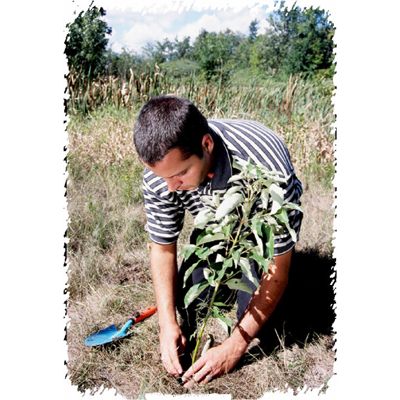 plants/seeds to put plants or seeds in the ground to grow将植物或种子种入土中使其生长poner plantas o semillas en la tierra para que crezcancolocar plantas ou sementes no solo para que cresçam植物や種を地面に植えて育てる식물이나 씨앗을 땅에 심어 자라게 하다: Residents have helped us plant trees.居民们帮助我们植树。Los vecinos nos han ayudado a plantar árboles.Os moradores nos ajudaram a plantar árvores.住民たちが木を植えるのを手伝ってくれた。주민들이 나무 심는 것을 도와주었다. We’ve planted tomatoes and carrots in the garden.我们在花园里种了番茄和胡萝卜。Hemos plantado tomates y zanahorias en el jardín.Nós plantamos tomates e cenouras no jardim.庭にトマトとニンジンを植えた。우리는 정원에 토마토와 당근을 심었다.plant a field/garden/area etc (with something) a hillside planted with fir trees种有冷杉的山坡una ladera plantada con abetosuma encosta plantada com abetosモミの木が植えられた丘の斜面전나무가 심어진 산비탈2put something somewhere [always + adverb/preposition] informal非正式informalinformalインフォーマル비격식 to put something firmly in or on something else将某物牢固地置于或放在另一物体上colocar algo firmemente en o sobre otra cosacolocar algo firmemente em ou sobre outra coisa何かを別のものにしっかりと置く、または押しつける무언가를 다른 것에 단단히 놓거나 꽂다plant something in/on etc something He came up to her and planted a kiss on her cheek.他走到她身边,在她脸颊上印上一个吻。Se acercó a ella y le estampó un beso en la mejilla.Ele se aproximou dela e plantou um beijo na bochecha dela.彼は彼女に近づき、頬にキスをした。그는 그녀에게 다가가 뺨에 입을 맞췄다. She planted her feet firmly to the spot and refused to move.她双脚牢牢踏于原地,拒绝移动。Plantó los pies firmemente en el sitio y se negó a moverse.Ela firmou os pés no lugar e se recusou a se mover.彼女はその場にしっかりと足を踏んばり、動くことを拒んだ。그녀는 그 자리에 발을 단단히 딛고 움직이기를 거부했다.3hide illegal goods informal非正式informalinformalインフォーマル비격식 to hide stolen or illegal goods in someone’s clothes, bags, room etc in order to make them seem guilty of a crime将赃物或非法物品藏入某人的衣物、包袋、房间等处,以使其显得犯有罪行esconder objetos robados o ilegales en la ropa, bolsas, habitación, etc. de alguien para hacerlo parecer culpable de un delitoesconder objetos roubados ou ilegais na roupa, bolsa, quarto etc. de alguém para fazê-lo parecer culpado de um crime誰かに罪をなすりつけるために、盗品や違法品をその人の衣服・かばん・部屋などに隠す누군가를 범죄자처럼 보이게 하려고 그 사람의 옷, 가방, 방 등에 장물이나 불법 물품을 숨기다plant something on somebody She claims that the police planted the drugs on her.她声称警察将毒品藏入了她的身上。Ella afirma que la policía le plantó las drogas.Ela afirma que a polícia plantou a droga nela.彼女は警察が自分に薬物を仕込んだと主張している。그녀는 경찰이 자신에게 마약을 심었다고 주장한다.4bomb plant a bomb to put a bomb somewhere在某处安置炸弹colocar una bomba en algún lugarcolocar uma bomba em algum lugarどこかに爆弾を仕掛ける어딘가에 폭탄을 설치하다: Two men are accused of planting a bomb on the plane.两名男子被指控在飞机上安置炸弹。Dos hombres están acusados de colocar una bomba en el avión.Dois homens são acusados de plantar uma bomba no avião.2人の男が機内に爆弾を仕掛けたとして起訴されている。두 남성이 비행기에 폭탄을 설치한 혐의로 기소되었다.5person to put or send someone somewhere, especially secretly, so that they can find out information将某人安置或派遣至某处(尤指秘密地)以便其收集情报colocar o enviar a alguien a algún lugar, especialmente en secreto, para que pueda obtener informacióncolocar ou enviar alguém a algum lugar, especialmente secretamente, para que possa obter informações情報収集のために、誰かをどこかに(特に秘密裏に)配置したり派遣したりする정보를 수집할 수 있도록 누군가를 어딘가에 (특히 비밀리에) 배치하거나 파견하다: The police had planted undercover detectives at every entrance.警方在每个入口处都安插了便衣侦探。La policía había apostado detectives encubiertos en cada entrada.A polícia havia colocado detetives disfarçados em cada entrada.警察はすべての入口に覆面捜査員を配置していた。경찰은 모든 입구에 비밀 수사관을 배치해 두었다.6plant an idea/doubt/suspicion (in somebody’s mind) to make someone begin to have an idea, especially so that they do not realize that you gave them the idea使某人开始产生某种想法,尤指使其不会意识到这一想法来自于你hacer que alguien empiece a albergar una idea, especialmente sin que se dé cuenta de que tú se la sugeristefazer alguém começar a ter uma ideia, especialmente de modo que não perceba que você a sugeriu相手が気づかないように、誰かの心にある考えを植えつける상대방이 알아채지 못하도록 누군가의 마음에 어떤 생각을 심어 주다: Someone must have planted the idea of suicide in his mind.一定有人在他的脑海中植入了自杀的念头。Alguien debe de haber sembrado en su mente la idea del suicidio.Alguém deve ter plantado a ideia de suicídio em sua mente.誰かが彼の心に自殺という考えを植えつけたに違いない。누군가가 그의 마음속에 자살이라는 생각을 심어 놓았음에 틀림없다.plant something ↔ out phrasal verb to put a young plant into the soil outdoors, so that it has enough room to grow将幼苗移植到户外土壤中,使其有足够的空间生长trasplantar una planta joven al suelo en el exterior para que tenga suficiente espacio para crecertransplantar uma planta jovem para o solo ao ar livre para que tenha espaço suficiente para crescer十分な成長スペースを確保するために、若い植物を屋外の土に植え移す어린 식물을 야외 토양에 옮겨 심어 충분한 성장 공간을 확보하다: The seedlings should be planted out in May.幼苗应在五月移植到户外。Las plántulas deben trasplantarse al exterior en mayo.As mudas devem ser transplantadas para o exterior em maio.苗は5月に外に植え替えるべきだ。묘목은 5월에 야외에 심어야 한다.
1plants/seeds to put plants or seeds in the ground to grow将植物或种子种入土中使其生长poner plantas o semillas en la tierra para que crezcancolocar plantas ou sementes no solo para que cresçam植物や種を地面に植えて育てる식물이나 씨앗을 땅에 심어 자라게 하다: Residents have helped us plant trees.居民们帮助我们植树。Los vecinos nos han ayudado a plantar árboles.Os moradores nos ajudaram a plantar árvores.住民たちが木を植えるのを手伝ってくれた。주민들이 나무 심는 것을 도와주었다. We’ve planted tomatoes and carrots in the garden.我们在花园里种了番茄和胡萝卜。Hemos plantado tomates y zanahorias en el jardín.Nós plantamos tomates e cenouras no jardim.庭にトマトとニンジンを植えた。우리는 정원에 토마토와 당근을 심었다.plant a field/garden/area etc (with something) a hillside planted with fir trees种有冷杉的山坡una ladera plantada con abetosuma encosta plantada com abetosモミの木が植えられた丘の斜面전나무가 심어진 산비탈2put something somewhere [always + adverb/preposition] informal非正式informalinformalインフォーマル비격식 to put something firmly in or on something else将某物牢固地置于或放在另一物体上colocar algo firmemente en o sobre otra cosacolocar algo firmemente em ou sobre outra coisa何かを別のものにしっかりと置く、または押しつける무언가를 다른 것에 단단히 놓거나 꽂다plant something in/on etc something He came up to her and planted a kiss on her cheek.他走到她身边,在她脸颊上印上一个吻。Se acercó a ella y le estampó un beso en la mejilla.Ele se aproximou dela e plantou um beijo na bochecha dela.彼は彼女に近づき、頬にキスをした。그는 그녀에게 다가가 뺨에 입을 맞췄다. She planted her feet firmly to the spot and refused to move.她双脚牢牢踏于原地,拒绝移动。Plantó los pies firmemente en el sitio y se negó a moverse.Ela firmou os pés no lugar e se recusou a se mover.彼女はその場にしっかりと足を踏んばり、動くことを拒んだ。그녀는 그 자리에 발을 단단히 딛고 움직이기를 거부했다.3hide illegal goods informal非正式informalinformalインフォーマル비격식 to hide stolen or illegal goods in someone’s clothes, bags, room etc in order to make them seem guilty of a crime将赃物或非法物品藏入某人的衣物、包袋、房间等处,以使其显得犯有罪行esconder objetos robados o ilegales en la ropa, bolsas, habitación, etc. de alguien para hacerlo parecer culpable de un delitoesconder objetos roubados ou ilegais na roupa, bolsa, quarto etc. de alguém para fazê-lo parecer culpado de um crime誰かに罪をなすりつけるために、盗品や違法品をその人の衣服・かばん・部屋などに隠す누군가를 범죄자처럼 보이게 하려고 그 사람의 옷, 가방, 방 등에 장물이나 불법 물품을 숨기다plant something on somebody She claims that the police planted the drugs on her.她声称警察将毒品藏入了她的身上。Ella afirma que la policía le plantó las drogas.Ela afirma que a polícia plantou a droga nela.彼女は警察が自分に薬物を仕込んだと主張している。그녀는 경찰이 자신에게 마약을 심었다고 주장한다.4bomb plant a bomb to put a bomb somewhere在某处安置炸弹colocar una bomba en algún lugarcolocar uma bomba em algum lugarどこかに爆弾を仕掛ける어딘가에 폭탄을 설치하다: Two men are accused of planting a bomb on the plane.两名男子被指控在飞机上安置炸弹。Dos hombres están acusados de colocar una bomba en el avión.Dois homens são acusados de plantar uma bomba no avião.2人の男が機内に爆弾を仕掛けたとして起訴されている。두 남성이 비행기에 폭탄을 설치한 혐의로 기소되었다.5person to put or send someone somewhere, especially secretly, so that they can find out information将某人安置或派遣至某处(尤指秘密地)以便其收集情报colocar o enviar a alguien a algún lugar, especialmente en secreto, para que pueda obtener informacióncolocar ou enviar alguém a algum lugar, especialmente secretamente, para que possa obter informações情報収集のために、誰かをどこかに(特に秘密裏に)配置したり派遣したりする정보를 수집할 수 있도록 누군가를 어딘가에 (특히 비밀리에) 배치하거나 파견하다: The police had planted undercover detectives at every entrance.警方在每个入口处都安插了便衣侦探。La policía había apostado detectives encubiertos en cada entrada.A polícia havia colocado detetives disfarçados em cada entrada.警察はすべての入口に覆面捜査員を配置していた。경찰은 모든 입구에 비밀 수사관을 배치해 두었다.6plant an idea/doubt/suspicion (in somebody’s mind) to make someone begin to have an idea, especially so that they do not realize that you gave them the idea使某人开始产生某种想法,尤指使其不会意识到这一想法来自于你hacer que alguien empiece a albergar una idea, especialmente sin que se dé cuenta de que tú se la sugeristefazer alguém começar a ter uma ideia, especialmente de modo que não perceba que você a sugeriu相手が気づかないように、誰かの心にある考えを植えつける상대방이 알아채지 못하도록 누군가의 마음에 어떤 생각을 심어 주다: Someone must have planted the idea of suicide in his mind.一定有人在他的脑海中植入了自杀的念头。Alguien debe de haber sembrado en su mente la idea del suicidio.Alguém deve ter plantado a ideia de suicídio em sua mente.誰かが彼の心に自殺という考えを植えつけたに違いない。누군가가 그의 마음속에 자살이라는 생각을 심어 놓았음에 틀림없다.plant something ↔ out phrasal verb to put a young plant into the soil outdoors, so that it has enough room to grow将幼苗移植到户外土壤中,使其有足够的空间生长trasplantar una planta joven al suelo en el exterior para que tenga suficiente espacio para crecertransplantar uma planta jovem para o solo ao ar livre para que tenha espaço suficiente para crescer十分な成長スペースを確保するために、若い植物を屋外の土に植え移す어린 식물을 야외 토양에 옮겨 심어 충분한 성장 공간을 확보하다: The seedlings should be planted out in May.幼苗应在五月移植到户外。Las plántulas deben trasplantarse al exterior en mayo.As mudas devem ser transplantadas para o exterior em maio.苗は5月に外に植え替えるべきだ。묘목은 5월에 야외에 심어야 한다.