
springspring1 /sprɪŋ/ noun 
 1
1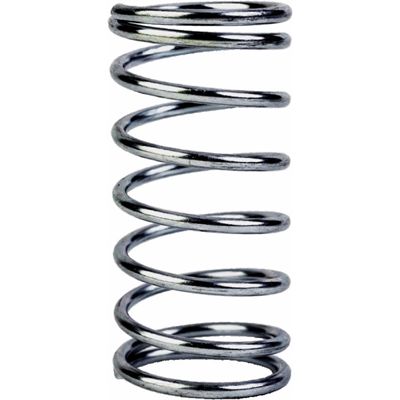 season [countable, uncountable] the season between winter and summer when leaves and flowers appear冬夏之间、草木萌发、花朵盛开的季节;春季estación entre el invierno y el verano en que aparecen hojas y floresestação entre o inverno e o verão em que folhas e flores surgem冬と夏の間の、葉や花が現れる季節;春겨울과 여름 사이, 잎과 꽃이 피어나는 계절; 봄spring of
 the spring of 19331933年春la primavera de 1933a primavera de 19331933年の春1933년 봄in/during the spring It’s due to open in the spring.它定于春季开放。Está previsto que abra en primavera.Está previsto para abrir na primavera.春に開く予定だ。봄에 열릴 예정이다.late/early spring It was a cold, sunny day in early spring.那是初春一个寒冷而晴朗的日子。Era un día frío y soleado a principios de primavera.Era um dia frio e ensolarado no início da primavera.春の初めの、寒くて晴れた日だった。이른 봄의 춥고 화창한 날이었다. spring flowers春花flores de primaveraflores de primavera春の花봄꽃2curved metal a)[countable usually plural] something, usually a twisted piece of metal, that will return to its previous shape after it has been pressed down弹簧;通常为金属盘绕而成,受压后能恢复原形的物件muelle; generalmente una pieza de metal retorcida que recupera su forma anterior tras ser comprimidamola; geralmente uma peça de metal enrolada que volta à forma anterior após ser pressionadaばね;通常はねじれた金属片で、押し下げられた後に元の形に戻るもの스프링; 보통 꼬인 금속 조각으로, 눌린 후 원래 모양으로 돌아오는 것: an old armchair with broken springs一把弹簧断了的旧扶手椅un sillón viejo con los muelles rotosuma poltrona velha com molas quebradasばねが壊れた古い肘掛け椅子스프링이 망가진 낡은 안락의자 b)[uncountable] the ability of a chair, bed etc to return to its normal shape after being pressed down(椅子、床等)受压后恢复原形的弹性la capacidad de una silla, cama, etc. de recuperar su forma normal tras ser presionadaa capacidade de uma cadeira, cama etc. de voltar à forma normal após ser pressionada椅子やベッドなどが押された後に元の形に戻る弾力性의자, 침대 등이 눌린 후 원래 모양으로 돌아오는 탄력성3water [countable] a place where water comes up naturally from the ground泉;水从地下自然涌出的地方manantial; lugar donde el agua surge naturalmente del suelonascente; lugar onde a água brota naturalmente do solo泉;水が地面から自然に湧き出る場所샘; 물이 땅에서 자연적으로 솟아오르는 곳: spring water泉水agua de manantialágua de nascente湧き水;泉の水샘물 There are several hot springs in the area.该地区有几处温泉。Hay varios manantiales de agua caliente en la zona.Há várias fontes de água quente na área.その地域にはいくつかの温泉がある。그 지역에는 온천이 여러 곳 있다.4spring in your step if you walk with a spring in your step, you move quickly and happily若某人 walk with a spring in your step,即走路轻快愉悦si alguien camina with a spring in his step, se mueve con rapidez y alegríase alguém anda with a spring in your step, essa pessoa se move de forma rápida e alegrewalk with a spring in your step とは、軽快で楽しそうに歩くことを意味するwalk with a spring in your step는 경쾌하고 즐겁게 걷는 것을 의미한다: As he walked into the office that morning, there was a spring in his step.那天早上他走进办公室时,步伐格外轻快。Aquella mañana, cuando entró a la oficina, caminaba con paso ágil y alegre.Naquela manhã, ao entrar no escritório, ele tinha um passo leve e animado.その朝、彼がオフィスに入ってきたとき、足取りが軽やかだった。그날 아침 그가 사무실에 들어올 때, 발걸음이 경쾌했다.5full of the joys of spring happy and full of energy – used humorously快乐而充满活力——幽默用法feliz y lleno de energía – de uso humorísticofeliz e cheio de energia – usado de forma humorística楽しく元気いっぱいで — ユーモラスに使われる행복하고 활기차다 — 유머러스하게 사용됨6sudden jump [singular] a sudden quick movement or jump in a particular direction朝某一方向突然而迅速的移动或跳跃un movimiento repentino y rápido, o un salto, en una dirección determinadaum movimento repentino e rápido, ou um salto, em uma direção específica特定の方向への突然の素早い動きやジャンプ특정 방향으로의 갑작스럽고 빠른 움직임이나 도약 SYN leapGRAMMAR: Patterns with spring语法:spring 的用法句型GRAMÁTICA: Patrones con springGRAMÁTICA: Padrões com spring文法:spring を使ったパターン문법: spring을 사용한 패턴in spring/in the spring• You use in spring or in the spring when saying that something happens at this time: · In spring the days get longer.· She’s coming to visit us in the spring.• 表示某事发生在这个季节时,用 in spring 或 in the spring:· In spring the days get longer.(春天白昼变长。)· She's coming to visit us in the spring.(她将在春天来看我们。)• Se usa in spring o in the spring para decir que algo ocurre en esta época: · In spring the days get longer. (En primavera los días se alargan.) · She's coming to visit us in the spring. (Vendrá a visitarnos en primavera.)• Usa-se in spring ou in the spring para dizer que algo acontece nesta época: · In spring the days get longer. (Na primavera os dias ficam mais longos.) · She's coming to visit us in the spring. (Ela virá nos visitar na primavera.)• 何かがこの季節に起こると言うときは in spring または in the spring を使う:· In spring the days get longer.(春になると日が長くなる。)· She's coming to visit us in the spring.(彼女は春に私たちを訪ねてくる。)• 어떤 일이 이 계절에 일어난다고 말할 때는 in spring 또는 in the spring을 사용한다: · In spring the days get longer. (봄에는 낮이 길어진다.) · She's coming to visit us in the spring. (그녀는 봄에 우리를 방문할 것이다.)last spring/this spring etcDon’t use in with these words:以下词语前不加 in:No uses in con estas palabras:Não use in com estas palavras:以下の語と一緒に in は使わない:다음 단어들과 함께 in을 사용하지 말 것:• You say last spring: · They moved here last spring. ✗Don’t say: They moved here in last spring.• 用 last spring(去年春天):· They moved here last spring.(他们去年春天搬来了。)✗ 不说:They moved here in last spring.• Se dice last spring: · They moved here last spring. (Se mudaron aquí la primavera pasada.) ✗ No digas: They moved here in last spring.• Diz-se last spring: · They moved here last spring. (Eles se mudaram para cá na primavera passada.) ✗ Não diga: They moved here in last spring.• last spring と言う:· They moved here last spring.(彼らは去年の春ここに引っ越してきた。)✗ They moved here in last spring. とは言わない。• last spring이라고 한다: · They moved here last spring. (그들은 지난 봄에 이곳으로 이사했다.) ✗ They moved here in last spring.이라고 하지 말 것.• You say this spring: · The flowers are beautiful this spring. ✗Don’t say: The flowers are beautiful in this spring.• 用 this spring(今年春天):· The flowers are beautiful this spring.(今年春天花儿很美。)✗ 不说:The flowers are beautiful in this spring.• Se dice this spring: · The flowers are beautiful this spring. (Las flores están preciosas esta primavera.) ✗ No digas: The flowers are beautiful in this spring.• Diz-se this spring: · The flowers are beautiful this spring. (As flores estão lindas esta primavera.) ✗ Não diga: The flowers are beautiful in this spring.• this spring と言う:· The flowers are beautiful this spring.(今年の春は花がきれいだ。)✗ The flowers are beautiful in this spring. とは言わない。• this spring이라고 한다: · The flowers are beautiful this spring. (이번 봄에는 꽃이 아름답다.) ✗ The flowers are beautiful in this spring.이라고 하지 말 것.• You say next spring: · They’re getting married next spring. ✗Don’t say: They’re getting married in next spring.• 用 next spring(明年春天):· They're getting married next spring.(他们明年春天结婚。)✗ 不说:They're getting married in next spring.• Se dice next spring: · They're getting married next spring. (Se van a casar la próxima primavera.) ✗ No digas: They're getting married in next spring.• Diz-se next spring: · They're getting married next spring. (Eles vão se casar na próxima primavera.) ✗ Não diga: They're getting married in next spring.• next spring と言う:· They're getting married next spring.(彼らは来年の春に結婚する。)✗ They're getting married in next spring. とは言わない。• next spring이라고 한다: · They're getting married next spring. (그들은 내년 봄에 결혼할 것이다.) ✗ They're getting married in next spring.이라고 하지 말 것.• You say that spring: · It rained a lot that spring. ✗Don’t say: It rained a lot in that spring.• 用 that spring(那年春天):· It rained a lot that spring.(那年春天雨水很多。)✗ 不说:It rained a lot in that spring.• Se dice that spring: · It rained a lot that spring. (Llovió mucho aquella primavera.) ✗ No digas: It rained a lot in that spring.• Diz-se that spring: · It rained a lot that spring. (Choveu muito naquela primavera.) ✗ Não diga: It rained a lot in that spring.• that spring と言う:· It rained a lot that spring.(その春は雨が多かった。)✗ It rained a lot in that spring. とは言わない。• that spring이라고 한다: · It rained a lot that spring. (그 봄에는 비가 많이 왔다.) ✗ It rained a lot in that spring.이라고 하지 말 것.
1season [countable, uncountable] the season between winter and summer when leaves and flowers appear冬夏之间、草木萌发、花朵盛开的季节;春季estación entre el invierno y el verano en que aparecen hojas y floresestação entre o inverno e o verão em que folhas e flores surgem冬と夏の間の、葉や花が現れる季節;春겨울과 여름 사이, 잎과 꽃이 피어나는 계절; 봄spring of the spring of 19331933年春la primavera de 1933a primavera de 19331933年の春1933년 봄in/during the spring It’s due to open in the spring.它定于春季开放。Está previsto que abra en primavera.Está previsto para abrir na primavera.春に開く予定だ。봄에 열릴 예정이다.late/early spring It was a cold, sunny day in early spring.那是初春一个寒冷而晴朗的日子。Era un día frío y soleado a principios de primavera.Era um dia frio e ensolarado no início da primavera.春の初めの、寒くて晴れた日だった。이른 봄의 춥고 화창한 날이었다. spring flowers春花flores de primaveraflores de primavera春の花봄꽃2curved metal a)[countable usually plural] something, usually a twisted piece of metal, that will return to its previous shape after it has been pressed down弹簧;通常为金属盘绕而成,受压后能恢复原形的物件muelle; generalmente una pieza de metal retorcida que recupera su forma anterior tras ser comprimidamola; geralmente uma peça de metal enrolada que volta à forma anterior após ser pressionadaばね;通常はねじれた金属片で、押し下げられた後に元の形に戻るもの스프링; 보통 꼬인 금속 조각으로, 눌린 후 원래 모양으로 돌아오는 것: an old armchair with broken springs一把弹簧断了的旧扶手椅un sillón viejo con los muelles rotosuma poltrona velha com molas quebradasばねが壊れた古い肘掛け椅子스프링이 망가진 낡은 안락의자 b)[uncountable] the ability of a chair, bed etc to return to its normal shape after being pressed down(椅子、床等)受压后恢复原形的弹性la capacidad de una silla, cama, etc. de recuperar su forma normal tras ser presionadaa capacidade de uma cadeira, cama etc. de voltar à forma normal após ser pressionada椅子やベッドなどが押された後に元の形に戻る弾力性의자, 침대 등이 눌린 후 원래 모양으로 돌아오는 탄력성3water [countable] a place where water comes up naturally from the ground泉;水从地下自然涌出的地方manantial; lugar donde el agua surge naturalmente del suelonascente; lugar onde a água brota naturalmente do solo泉;水が地面から自然に湧き出る場所샘; 물이 땅에서 자연적으로 솟아오르는 곳: spring water泉水agua de manantialágua de nascente湧き水;泉の水샘물 There are several hot springs in the area.该地区有几处温泉。Hay varios manantiales de agua caliente en la zona.Há várias fontes de água quente na área.その地域にはいくつかの温泉がある。그 지역에는 온천이 여러 곳 있다.4spring in your step if you walk with a spring in your step, you move quickly and happily若某人 walk with a spring in your step,即走路轻快愉悦si alguien camina with a spring in his step, se mueve con rapidez y alegríase alguém anda with a spring in your step, essa pessoa se move de forma rápida e alegrewalk with a spring in your step とは、軽快で楽しそうに歩くことを意味するwalk with a spring in your step는 경쾌하고 즐겁게 걷는 것을 의미한다: As he walked into the office that morning, there was a spring in his step.那天早上他走进办公室时,步伐格外轻快。Aquella mañana, cuando entró a la oficina, caminaba con paso ágil y alegre.Naquela manhã, ao entrar no escritório, ele tinha um passo leve e animado.その朝、彼がオフィスに入ってきたとき、足取りが軽やかだった。그날 아침 그가 사무실에 들어올 때, 발걸음이 경쾌했다.5full of the joys of spring happy and full of energy – used humorously快乐而充满活力——幽默用法feliz y lleno de energía – de uso humorísticofeliz e cheio de energia – usado de forma humorística楽しく元気いっぱいで — ユーモラスに使われる행복하고 활기차다 — 유머러스하게 사용됨6sudden jump [singular] a sudden quick movement or jump in a particular direction朝某一方向突然而迅速的移动或跳跃un movimiento repentino y rápido, o un salto, en una dirección determinadaum movimento repentino e rápido, ou um salto, em uma direção específica特定の方向への突然の素早い動きやジャンプ특정 방향으로의 갑작스럽고 빠른 움직임이나 도약 SYN leapGRAMMAR: Patterns with spring语法:spring 的用法句型GRAMÁTICA: Patrones con springGRAMÁTICA: Padrões com spring文法:spring を使ったパターン문법: spring을 사용한 패턴in spring/in the spring• You use in spring or in the spring when saying that something happens at this time: · In spring the days get longer.· She’s coming to visit us in the spring.• 表示某事发生在这个季节时,用 in spring 或 in the spring:· In spring the days get longer.(春天白昼变长。)· She's coming to visit us in the spring.(她将在春天来看我们。)• Se usa in spring o in the spring para decir que algo ocurre en esta época: · In spring the days get longer. (En primavera los días se alargan.) · She's coming to visit us in the spring. (Vendrá a visitarnos en primavera.)• Usa-se in spring ou in the spring para dizer que algo acontece nesta época: · In spring the days get longer. (Na primavera os dias ficam mais longos.) · She's coming to visit us in the spring. (Ela virá nos visitar na primavera.)• 何かがこの季節に起こると言うときは in spring または in the spring を使う:· In spring the days get longer.(春になると日が長くなる。)· She's coming to visit us in the spring.(彼女は春に私たちを訪ねてくる。)• 어떤 일이 이 계절에 일어난다고 말할 때는 in spring 또는 in the spring을 사용한다: · In spring the days get longer. (봄에는 낮이 길어진다.) · She's coming to visit us in the spring. (그녀는 봄에 우리를 방문할 것이다.)last spring/this spring etcDon’t use in with these words:以下词语前不加 in:No uses in con estas palabras:Não use in com estas palavras:以下の語と一緒に in は使わない:다음 단어들과 함께 in을 사용하지 말 것:• You say last spring: · They moved here last spring. ✗Don’t say: They moved here in last spring.• 用 last spring(去年春天):· They moved here last spring.(他们去年春天搬来了。)✗ 不说:They moved here in last spring.• Se dice last spring: · They moved here last spring. (Se mudaron aquí la primavera pasada.) ✗ No digas: They moved here in last spring.• Diz-se last spring: · They moved here last spring. (Eles se mudaram para cá na primavera passada.) ✗ Não diga: They moved here in last spring.• last spring と言う:· They moved here last spring.(彼らは去年の春ここに引っ越してきた。)✗ They moved here in last spring. とは言わない。• last spring이라고 한다: · They moved here last spring. (그들은 지난 봄에 이곳으로 이사했다.) ✗ They moved here in last spring.이라고 하지 말 것.• You say this spring: · The flowers are beautiful this spring. ✗Don’t say: The flowers are beautiful in this spring.• 用 this spring(今年春天):· The flowers are beautiful this spring.(今年春天花儿很美。)✗ 不说:The flowers are beautiful in this spring.• Se dice this spring: · The flowers are beautiful this spring. (Las flores están preciosas esta primavera.) ✗ No digas: The flowers are beautiful in this spring.• Diz-se this spring: · The flowers are beautiful this spring. (As flores estão lindas esta primavera.) ✗ Não diga: The flowers are beautiful in this spring.• this spring と言う:· The flowers are beautiful this spring.(今年の春は花がきれいだ。)✗ The flowers are beautiful in this spring. とは言わない。• this spring이라고 한다: · The flowers are beautiful this spring. (이번 봄에는 꽃이 아름답다.) ✗ The flowers are beautiful in this spring.이라고 하지 말 것.• You say next spring: · They’re getting married next spring. ✗Don’t say: They’re getting married in next spring.• 用 next spring(明年春天):· They're getting married next spring.(他们明年春天结婚。)✗ 不说:They're getting married in next spring.• Se dice next spring: · They're getting married next spring. (Se van a casar la próxima primavera.) ✗ No digas: They're getting married in next spring.• Diz-se next spring: · They're getting married next spring. (Eles vão se casar na próxima primavera.) ✗ Não diga: They're getting married in next spring.• next spring と言う:· They're getting married next spring.(彼らは来年の春に結婚する。)✗ They're getting married in next spring. とは言わない。• next spring이라고 한다: · They're getting married next spring. (그들은 내년 봄에 결혼할 것이다.) ✗ They're getting married in next spring.이라고 하지 말 것.• You say that spring: · It rained a lot that spring. ✗Don’t say: It rained a lot in that spring.• 用 that spring(那年春天):· It rained a lot that spring.(那年春天雨水很多。)✗ 不说:It rained a lot in that spring.• Se dice that spring: · It rained a lot that spring. (Llovió mucho aquella primavera.) ✗ No digas: It rained a lot in that spring.• Diz-se that spring: · It rained a lot that spring. (Choveu muito naquela primavera.) ✗ Não diga: It rained a lot in that spring.• that spring と言う:· It rained a lot that spring.(その春は雨が多かった。)✗ It rained a lot in that spring. とは言わない。• that spring이라고 한다: · It rained a lot that spring. (그 봄에는 비가 많이 왔다.) ✗ It rained a lot in that spring.이라고 하지 말 것.springspring2 verb (past tense sprang /spræŋ/ or sprung /sprʌŋ/ American English, past participle sprung) 1move suddenly [intransitive always + adverb/preposition] to move suddenly and quickly in a particular direction, especially by jumping突然迅速地向某个方向移动,尤指跳跃moverse de manera repentina y rápida en una dirección determinada, especialmente saltandomover-se de forma repentina e rápida em uma direção específica, especialmente pulando特定の方向に突然素早く動く、特に跳んで특정 방향으로 갑자기 빠르게 움직이다, 특히 뛰어서 SYN leapspring out of/from Tom sprung out of bed and ran downstairs.汤姆猛地从床上跳起来,跑下楼去。Tom saltó de la cama de golpe y corrió escaleras abajo.Tom saltou da cama de repente e correu escada abaixo.トムはベッドから飛び起き、階段を駆け下りた。Tom은 침대에서 벌떡 일어나 계단 아래로 달려갔다.spring out at somebody Two men sprang out at me as I was walking through the park.我走过公园时,两名男子突然从暗处扑向我。Dos hombres se me echaron encima de repente cuando caminaba por el parque.Dois homens saltaram na minha direção enquanto eu caminhava pelo parque.私が公園を歩いていると、二人の男が突然飛び出してきた。내가 공원을 걷고 있을 때 두 남자가 갑자기 뛰쳐나왔다. He sprang to his feet (=stood up suddenly) and rushed after her.他猛地站起身(=突然站起来),追了上去。Se puso de pie de un salto (=se levantó de repente) y salió corriendo detrás de ella.Ele se levantou de um salto (=levantou-se de repente) e correu atrás dela.彼は勢いよく立ち上がり(=突然立ち上がり)、彼女を追いかけた。그는 벌떡 일어서서(=갑자기 일어서서) 그녀를 쫓아갔다.spring to somebody’s aid/assistance (=move quickly to help someone)(=迅速去帮助某人)(=acudir rápidamente en ayuda de alguien)(=ir rapidamente em socorro de alguém)(=急いで誰かを助けに行く)(=재빨리 누군가를 도우러 가다) One of the young policemen sprang to her assistance.一名年轻警察迅速上前协助她。Uno de los jóvenes policías acudió rápidamente en su ayuda.Um dos jovens policiais correu rapidamente para ajudá-la.若い警官の一人が素早く彼女の助けに駆けつけた。젊은 경찰관 중 한 명이 재빨리 그녀를 도우러 달려갔다.Register语体RegistroRegistro語域어체Spring is used mostly in literature. In everyday English, people usually say jump:· He jumped out of bed.spring 主要用于文学作品。在日常英语中,人们通常说 jump:· He jumped out of bed.(他从床上跳了起来。)spring se usa principalmente en literatura. En el inglés cotidiano, la gente suele decir jump: · He jumped out of bed. (Saltó de la cama.)spring é usado principalmente na literatura. No inglês cotidiano, as pessoas geralmente dizem jump: · He jumped out of bed. (Ele saltou da cama.)spring は主に文学で使われる。日常英語では通常 jump を使う:· He jumped out of bed.(彼はベッドから飛び起きた。)spring은 주로 문학에서 사용된다. 일상 영어에서는 보통 jump를 사용한다: · He jumped out of bed. (그는 침대에서 뛰어올랐다.)2move back [intransitive always + adverb/preposition] if something springs back, open etc, it moves quickly, suddenly, and with force, especially after being pushed down or sideways若某物 springs back、open 等,指其在被按下或推向一侧后,迅速、突然且有力地移动si algo springs back, open, etc., se mueve de forma rápida, repentina y con fuerza, especialmente tras ser empujado hacia abajo o hacia un ladose algo springs back, open etc., move-se de forma rápida, súbita e com força, especialmente após ser empurrado para baixo ou para o lado何かが springs back、open などする場合、特に押し下げられたり横に押されたりした後に、素早く突然力強く動く무언가가 springs back, open 등을 하면, 특히 아래로 눌리거나 옆으로 밀린 후 빠르고 갑작스럽게 힘차게 움직이다spring back/up The branch sprang back and hit him in the face.树枝弹了回来,打在他的脸上。La rama se soltó de golpe y le golpeó en la cara.O galho saltou de volta e acertou o seu rosto.枝が弾き返って彼の顔に当たった。나뭇가지가 튕겨 올라 그의 얼굴을 쳤다.spring open/shut The gate sprang shut behind them.门在他们身后猛地关上了。La puerta se cerró de golpe detrás de ellos.O portão fechou com força atrás deles.門扉は彼らの後ろで勢いよく閉まった。문이 그들 뒤에서 탁 하고 닫혔다.3spring to (somebody’s) mind if someone or something springs to mind, you immediately think of them若某人或某事 springs to mind,即你立刻想到他们si alguien o algo springs to mind, inmediatamente piensas en ellose alguém ou algo springs to mind, você imediatamente pensa nessa pessoa ou coisa誰かや何かが springs to mind するとは、すぐにそれが頭に浮かぶこと누군가 또는 무언가가 springs to mind 한다면, 즉시 그것이 떠오르는 것을 의미한다: Two questions spring to mind.两个问题立刻浮现脑海。Dos preguntas vienen de inmediato a la mente.Duas perguntas vêm imediatamente à mente.二つの疑問がすぐに頭に浮かぶ。두 가지 질문이 즉시 떠오른다.4spring into action (also spring to/into life) to suddenly become active, start moving, or start working突然变得活跃、开始运动或开始运转volverse repentinamente activo, empezar a moverse o a funcionartornar-se repentinamente ativo, começar a se mover ou a funcionar突然活動的になる、動き始める、または動き出す갑자기 활발해지거나 움직이기 시작하거나 작동하기 시작하다: They were prepared and ready to spring into action.他们已做好准备,随时可以行动。Estaban preparados y listos para entrar en acción de inmediato.Eles estavam preparados e prontos para entrar em ação.彼らは準備を整え、すぐに行動できる態勢だった。그들은 준비가 되어 언제든지 행동에 돌입할 수 있었다. Finally, the engine sprang to life.引擎终于发动起来了。Por fin, el motor arrancó.Por fim, o motor pegou.ついにエンジンがかかった。마침내 엔진이 작동하기 시작했다.5spring a surprise to do something surprising做出出人意料之事hacer algo sorprendentefazer algo surpreendente驚くようなことをする놀라운 일을 하다: Roy is unlikely to spring any surprises.Roy 不太可能给人带来什么惊喜。Roy difícilmente va a sorprender a nadie.Roy dificilmente vai surpreender alguém.ロイが何か驚くようなことをする可能性は低い。Roy가 깜짝 놀랄 일을 할 가능성은 낮다.6tears spring to/into somebody’s eyes written书面escritoescrito書き言葉문어체 used to say that someone starts to cry用于表示某人开始哭泣usado para decir que alguien empieza a llorarusado para dizer que alguém começa a chorar誰かが泣き始めることを表す際に使われる누군가가 울기 시작하는 것을 나타내는 데 사용됨7spring into existence/being to suddenly begin to exist突然出现;骤然兴起comenzar a existir de repentecomeçar a existir de repente突然存在し始める;急に現れる갑자기 생겨나기 시작하다: A lot of small businesses sprang into existence during the 1980s.20世纪80年代,大量小型企业涌现出来。Muchos pequeños negocios surgieron durante la década de 1980.Muitas pequenas empresas surgiram durante a década de 1980.1980年代に多くの中小企業が次々と生まれた。1980년대에 많은 소규모 사업체들이 생겨났다.8spring a trap a)if an animal springs a trap, it is caught by the trap若动物 springs a trap,即被陷阱捕获si un animal springs a trap, queda atrapado en ellase um animal springs a trap, ele é capturado por ela動物が springs a trap するとは、罠にかかること동물이 springs a trap 하면 덫에 걸리는 것을 의미한다 b)to make someone say or do something by tricking them通过欺骗使某人说出或做出某事hacer que alguien diga o haga algo mediante un engañofazer alguém dizer ou fazer algo enganando-o罠にはめて誰かに何かを言わせたり、させたりする속임수로 누군가가 무언가를 말하거나 하게 만들다9spring a leak if a boat or a container springs a leak, it begins to let liquid in or out through a crack or hole若船或容器 springs a leak,即开始通过裂缝或小孔漏水si un barco o un recipiente springs a leak, empieza a dejar pasar líquido por una grieta o agujerose um barco ou recipiente springs a leak, ele começa a deixar líquido entrar ou sair por uma rachadura ou buraco船や容器が springs a leak するとは、亀裂や穴から液体が漏れ始めること배나 용기가 springs a leak 하면 균열이나 구멍을 통해 액체가 새기 시작하는 것을 의미한다10spring to somebody’s defence to quickly defend someone who is being criticized迅速为受到批评的人辩护salir rápidamente en defensa de alguien que está siendo criticadodefender rapidamente alguém que está sendo criticado批判されている人をすぐに弁護する비판받고 있는 사람을 재빨리 옹호하다: Charlene sprang immediately to her son’s defence.Charlene 立刻为儿子辩护。Charlene salió inmediatamente en defensa de su hijo.Charlene foi imediatamente em defesa do seu filho.シャーリーンはすぐに息子の弁護に立ち上がった。Charlene은 즉시 아들을 옹호하고 나섰다.11spring to attention if soldiers spring to attention, they stand suddenly upright若士兵 spring to attention,即突然立正站直si los soldados spring to attention, se ponen súbitamente en posición de firmesse soldados spring to attention, eles ficam de pé de repente em posição de sentido兵士が spring to attention するとは、突然直立不動の姿勢をとること군인들이 spring to attention 하면 갑자기 차렷 자세로 서는 것을 의미한다12help somebody escape [transitive + from] informal非正式informalinformalインフォーマル비격식 to help someone escape from prison帮助某人越狱ayudar a alguien a escapar de la cárcelajudar alguém a escapar da prisão誰かが刑務所から脱走するのを手助けする누군가가 감옥에서 탈출하도록 돕다spring for something phrasal verb American English informal非正式informalinformalインフォーマル비격식 to pay for something为某事付钱;请客pagar algo; invitarpagar por algo; convidar費用を払う;おごる무언가에 돈을 내다; 한턱내다: I’ll spring for the beer tonight.今晚我来请啤酒。Esta noche invito yo la cerveza.Esta noite eu pago a cerveja.今夜はビール代を出すよ。오늘 밤은 내가 맥주 살게.spring from something phrasal verb spoken口语oraloral話し言葉구어 to be caused by something or start from something由某事引起;源自某事ser causado por algo o provenir de algoser causado por algo ou ter origem em algo何かによって引き起こされる、または何かから生じる무언가로 인해 발생하거나 무언가에서 비롯되다: behaviour which springs from prejudices源于偏见的行为comportamiento que surge de los prejuicioscomportamento que surge de preconceitos偏見から生まれる行動편견에서 비롯된 행동spring something on somebody phrasal verb to tell someone something or ask them to do something when they do not expect it and are not ready for it在对方毫无准备之际突然告知某事或要求其做某事decirle algo a alguien o pedirle que haga algo cuando no lo espera y no está preparado para ellodizer algo a alguém ou pedir que faça algo quando a pessoa não espera e não está preparada相手が予期せず準備もできていないときに、何かを伝えたり頼んだりする상대방이 예상하지 못하고 준비도 안 된 상황에서 갑자기 무언가를 말하거나 해달라고 하다: It’s not fair to spring this on her without any warning.事先不打招呼就把这件事突然抛给她,太不公平了。No es justo soltarle esto sin ningún aviso previo.Não é justo impor isso a ela sem nenhum aviso.何の予告もなしにこれを彼女に突きつけるのはフェアではない。아무런 경고 없이 갑자기 이것을 그녀에게 들이미는 것은 불공평하다.spring up phrasal verb to suddenly appear or start to exist突然出现或兴起aparecer de repente o comenzar a existiraparecer de repente ou começar a existir突然現れる、または生まれる갑자기 나타나거나 생겨나다: Fast-food restaurants are springing up all over town.快餐店正在全城各处如雨后春笋般涌现。Los restaurantes de comida rápida están brotando por toda la ciudad.Restaurantes de fast-food estão surgindo por toda a cidade.ファストフードのレストランが街中のあちこちに次々と現れている。패스트푸드 식당이 온 도시에 우후죽순처럼 생겨나고 있다.
1move suddenly [intransitive always + adverb/preposition] to move suddenly and quickly in a particular direction, especially by jumping突然迅速地向某个方向移动,尤指跳跃moverse de manera repentina y rápida en una dirección determinada, especialmente saltandomover-se de forma repentina e rápida em uma direção específica, especialmente pulando特定の方向に突然素早く動く、特に跳んで특정 방향으로 갑자기 빠르게 움직이다, 특히 뛰어서 SYN leapspring out of/from Tom sprung out of bed and ran downstairs.汤姆猛地从床上跳起来,跑下楼去。Tom saltó de la cama de golpe y corrió escaleras abajo.Tom saltou da cama de repente e correu escada abaixo.トムはベッドから飛び起き、階段を駆け下りた。Tom은 침대에서 벌떡 일어나 계단 아래로 달려갔다.spring out at somebody Two men sprang out at me as I was walking through the park.我走过公园时,两名男子突然从暗处扑向我。Dos hombres se me echaron encima de repente cuando caminaba por el parque.Dois homens saltaram na minha direção enquanto eu caminhava pelo parque.私が公園を歩いていると、二人の男が突然飛び出してきた。내가 공원을 걷고 있을 때 두 남자가 갑자기 뛰쳐나왔다. He sprang to his feet (=stood up suddenly) and rushed after her.他猛地站起身(=突然站起来),追了上去。Se puso de pie de un salto (=se levantó de repente) y salió corriendo detrás de ella.Ele se levantou de um salto (=levantou-se de repente) e correu atrás dela.彼は勢いよく立ち上がり(=突然立ち上がり)、彼女を追いかけた。그는 벌떡 일어서서(=갑자기 일어서서) 그녀를 쫓아갔다.spring to somebody’s aid/assistance (=move quickly to help someone)(=迅速去帮助某人)(=acudir rápidamente en ayuda de alguien)(=ir rapidamente em socorro de alguém)(=急いで誰かを助けに行く)(=재빨리 누군가를 도우러 가다) One of the young policemen sprang to her assistance.一名年轻警察迅速上前协助她。Uno de los jóvenes policías acudió rápidamente en su ayuda.Um dos jovens policiais correu rapidamente para ajudá-la.若い警官の一人が素早く彼女の助けに駆けつけた。젊은 경찰관 중 한 명이 재빨리 그녀를 도우러 달려갔다.Register语体RegistroRegistro語域어체Spring is used mostly in literature. In everyday English, people usually say jump:· He jumped out of bed.spring 主要用于文学作品。在日常英语中,人们通常说 jump:· He jumped out of bed.(他从床上跳了起来。)spring se usa principalmente en literatura. En el inglés cotidiano, la gente suele decir jump: · He jumped out of bed. (Saltó de la cama.)spring é usado principalmente na literatura. No inglês cotidiano, as pessoas geralmente dizem jump: · He jumped out of bed. (Ele saltou da cama.)spring は主に文学で使われる。日常英語では通常 jump を使う:· He jumped out of bed.(彼はベッドから飛び起きた。)spring은 주로 문학에서 사용된다. 일상 영어에서는 보통 jump를 사용한다: · He jumped out of bed. (그는 침대에서 뛰어올랐다.)2move back [intransitive always + adverb/preposition] if something springs back, open etc, it moves quickly, suddenly, and with force, especially after being pushed down or sideways若某物 springs back、open 等,指其在被按下或推向一侧后,迅速、突然且有力地移动si algo springs back, open, etc., se mueve de forma rápida, repentina y con fuerza, especialmente tras ser empujado hacia abajo o hacia un ladose algo springs back, open etc., move-se de forma rápida, súbita e com força, especialmente após ser empurrado para baixo ou para o lado何かが springs back、open などする場合、特に押し下げられたり横に押されたりした後に、素早く突然力強く動く무언가가 springs back, open 등을 하면, 특히 아래로 눌리거나 옆으로 밀린 후 빠르고 갑작스럽게 힘차게 움직이다spring back/up The branch sprang back and hit him in the face.树枝弹了回来,打在他的脸上。La rama se soltó de golpe y le golpeó en la cara.O galho saltou de volta e acertou o seu rosto.枝が弾き返って彼の顔に当たった。나뭇가지가 튕겨 올라 그의 얼굴을 쳤다.spring open/shut The gate sprang shut behind them.门在他们身后猛地关上了。La puerta se cerró de golpe detrás de ellos.O portão fechou com força atrás deles.門扉は彼らの後ろで勢いよく閉まった。문이 그들 뒤에서 탁 하고 닫혔다.3spring to (somebody’s) mind if someone or something springs to mind, you immediately think of them若某人或某事 springs to mind,即你立刻想到他们si alguien o algo springs to mind, inmediatamente piensas en ellose alguém ou algo springs to mind, você imediatamente pensa nessa pessoa ou coisa誰かや何かが springs to mind するとは、すぐにそれが頭に浮かぶこと누군가 또는 무언가가 springs to mind 한다면, 즉시 그것이 떠오르는 것을 의미한다: Two questions spring to mind.两个问题立刻浮现脑海。Dos preguntas vienen de inmediato a la mente.Duas perguntas vêm imediatamente à mente.二つの疑問がすぐに頭に浮かぶ。두 가지 질문이 즉시 떠오른다.4spring into action (also spring to/into life) to suddenly become active, start moving, or start working突然变得活跃、开始运动或开始运转volverse repentinamente activo, empezar a moverse o a funcionartornar-se repentinamente ativo, começar a se mover ou a funcionar突然活動的になる、動き始める、または動き出す갑자기 활발해지거나 움직이기 시작하거나 작동하기 시작하다: They were prepared and ready to spring into action.他们已做好准备,随时可以行动。Estaban preparados y listos para entrar en acción de inmediato.Eles estavam preparados e prontos para entrar em ação.彼らは準備を整え、すぐに行動できる態勢だった。그들은 준비가 되어 언제든지 행동에 돌입할 수 있었다. Finally, the engine sprang to life.引擎终于发动起来了。Por fin, el motor arrancó.Por fim, o motor pegou.ついにエンジンがかかった。마침내 엔진이 작동하기 시작했다.5spring a surprise to do something surprising做出出人意料之事hacer algo sorprendentefazer algo surpreendente驚くようなことをする놀라운 일을 하다: Roy is unlikely to spring any surprises.Roy 不太可能给人带来什么惊喜。Roy difícilmente va a sorprender a nadie.Roy dificilmente vai surpreender alguém.ロイが何か驚くようなことをする可能性は低い。Roy가 깜짝 놀랄 일을 할 가능성은 낮다.6tears spring to/into somebody’s eyes written书面escritoescrito書き言葉문어체 used to say that someone starts to cry用于表示某人开始哭泣usado para decir que alguien empieza a llorarusado para dizer que alguém começa a chorar誰かが泣き始めることを表す際に使われる누군가가 울기 시작하는 것을 나타내는 데 사용됨7spring into existence/being to suddenly begin to exist突然出现;骤然兴起comenzar a existir de repentecomeçar a existir de repente突然存在し始める;急に現れる갑자기 생겨나기 시작하다: A lot of small businesses sprang into existence during the 1980s.20世纪80年代,大量小型企业涌现出来。Muchos pequeños negocios surgieron durante la década de 1980.Muitas pequenas empresas surgiram durante a década de 1980.1980年代に多くの中小企業が次々と生まれた。1980년대에 많은 소규모 사업체들이 생겨났다.8spring a trap a)if an animal springs a trap, it is caught by the trap若动物 springs a trap,即被陷阱捕获si un animal springs a trap, queda atrapado en ellase um animal springs a trap, ele é capturado por ela動物が springs a trap するとは、罠にかかること동물이 springs a trap 하면 덫에 걸리는 것을 의미한다 b)to make someone say or do something by tricking them通过欺骗使某人说出或做出某事hacer que alguien diga o haga algo mediante un engañofazer alguém dizer ou fazer algo enganando-o罠にはめて誰かに何かを言わせたり、させたりする속임수로 누군가가 무언가를 말하거나 하게 만들다9spring a leak if a boat or a container springs a leak, it begins to let liquid in or out through a crack or hole若船或容器 springs a leak,即开始通过裂缝或小孔漏水si un barco o un recipiente springs a leak, empieza a dejar pasar líquido por una grieta o agujerose um barco ou recipiente springs a leak, ele começa a deixar líquido entrar ou sair por uma rachadura ou buraco船や容器が springs a leak するとは、亀裂や穴から液体が漏れ始めること배나 용기가 springs a leak 하면 균열이나 구멍을 통해 액체가 새기 시작하는 것을 의미한다10spring to somebody’s defence to quickly defend someone who is being criticized迅速为受到批评的人辩护salir rápidamente en defensa de alguien que está siendo criticadodefender rapidamente alguém que está sendo criticado批判されている人をすぐに弁護する비판받고 있는 사람을 재빨리 옹호하다: Charlene sprang immediately to her son’s defence.Charlene 立刻为儿子辩护。Charlene salió inmediatamente en defensa de su hijo.Charlene foi imediatamente em defesa do seu filho.シャーリーンはすぐに息子の弁護に立ち上がった。Charlene은 즉시 아들을 옹호하고 나섰다.11spring to attention if soldiers spring to attention, they stand suddenly upright若士兵 spring to attention,即突然立正站直si los soldados spring to attention, se ponen súbitamente en posición de firmesse soldados spring to attention, eles ficam de pé de repente em posição de sentido兵士が spring to attention するとは、突然直立不動の姿勢をとること군인들이 spring to attention 하면 갑자기 차렷 자세로 서는 것을 의미한다12help somebody escape [transitive + from] informal非正式informalinformalインフォーマル비격식 to help someone escape from prison帮助某人越狱ayudar a alguien a escapar de la cárcelajudar alguém a escapar da prisão誰かが刑務所から脱走するのを手助けする누군가가 감옥에서 탈출하도록 돕다spring for something phrasal verb American English informal非正式informalinformalインフォーマル비격식 to pay for something为某事付钱;请客pagar algo; invitarpagar por algo; convidar費用を払う;おごる무언가에 돈을 내다; 한턱내다: I’ll spring for the beer tonight.今晚我来请啤酒。Esta noche invito yo la cerveza.Esta noite eu pago a cerveja.今夜はビール代を出すよ。오늘 밤은 내가 맥주 살게.spring from something phrasal verb spoken口语oraloral話し言葉구어 to be caused by something or start from something由某事引起;源自某事ser causado por algo o provenir de algoser causado por algo ou ter origem em algo何かによって引き起こされる、または何かから生じる무언가로 인해 발생하거나 무언가에서 비롯되다: behaviour which springs from prejudices源于偏见的行为comportamiento que surge de los prejuicioscomportamento que surge de preconceitos偏見から生まれる行動편견에서 비롯된 행동spring something on somebody phrasal verb to tell someone something or ask them to do something when they do not expect it and are not ready for it在对方毫无准备之际突然告知某事或要求其做某事decirle algo a alguien o pedirle que haga algo cuando no lo espera y no está preparado para ellodizer algo a alguém ou pedir que faça algo quando a pessoa não espera e não está preparada相手が予期せず準備もできていないときに、何かを伝えたり頼んだりする상대방이 예상하지 못하고 준비도 안 된 상황에서 갑자기 무언가를 말하거나 해달라고 하다: It’s not fair to spring this on her without any warning.事先不打招呼就把这件事突然抛给她,太不公平了。No es justo soltarle esto sin ningún aviso previo.Não é justo impor isso a ela sem nenhum aviso.何の予告もなしにこれを彼女に突きつけるのはフェアではない。아무런 경고 없이 갑자기 이것을 그녀에게 들이미는 것은 불공평하다.spring up phrasal verb to suddenly appear or start to exist突然出现或兴起aparecer de repente o comenzar a existiraparecer de repente ou começar a existir突然現れる、または生まれる갑자기 나타나거나 생겨나다: Fast-food restaurants are springing up all over town.快餐店正在全城各处如雨后春笋般涌现。Los restaurantes de comida rápida están brotando por toda la ciudad.Restaurantes de fast-food estão surgindo por toda a cidade.ファストフードのレストランが街中のあちこちに次々と現れている。패스트푸드 식당이 온 도시에 우후죽순처럼 생겨나고 있다.