
stillstill1 /stɪl/ adverb 
 1used when saying that something continues to be the same as before, or has not happened yet用于表示某事与以前一样持续存在,或尚未发生se usa para decir que algo sigue siendo igual que antes, o que todavía no ha ocurridousado para dizer que algo continua igual a antes, ou que ainda não aconteceu以前と同じ状態が続いていること、またはまだ起きていないことを表すのに使う이전과 같은 상태가 계속되거나 아직 일어나지 않았음을 나타낼 때 사용:
  He still lives with his parents.他还和父母住在一起。Todavía vive con sus padres.Ele ainda mora com os pais.彼はまだ両親と一緒に住んでいる。그는 아직도 부모님과 함께 산다. Do you still have Julie’s phone number?你还有朱莉的电话号码吗?¿Todavía tienes el número de teléfono de Julie?Você ainda tem o número de telefone da Julie?まだジュリーの電話番号を持っていますか?아직 줄리의 전화번호를 갖고 있어? I still haven’t finished painting the spare room.我还没有把备用房间粉刷完。Todavía no he terminado de pintar la habitación de invitados.Ainda não terminei de pintar o quarto reserva.まだ予備の部屋のペンキ塗りが終わっていない。나는 아직도 여분의 방 페인트칠을 끝내지 못했다.GRAMMAR: Word order语法:词序GRAMÁTICA: Orden de palabrasGRAMÁTICA: Ordem das palavras文法:語順문법: 어순• Still comes before a main verb: · The system still works.· I still love you.• still 位于主要动词之前:· The system still works.· I still love you.• Still va delante del verbo principal: · The system still works.· I still love you.• Still vem antes do verbo principal: · The system still works.· I still love you.• stillは本動詞の前に置く:· The system still works.· I still love you.• still은 본동사 앞에 온다: · The system still works.· I still love you.• Still comes after ‘am’,‘ is’, ‘was’ etc: · I’m still angry.· It was still dark outside.· She is still not ready.• still 位于 am、is、was 等之后:· I'm still angry.· It was still dark outside.· She is still not ready.• Still va después de 'am', 'is', 'was', etc.: · I'm still angry.· It was still dark outside.· She is still not ready.• Still vem depois de 'am', 'is', 'was' etc.: · I'm still angry.· It was still dark outside.· She is still not ready.• stillは'am'、'is'、'was'などの後に置く:· I'm still angry.· It was still dark outside.· She is still not ready.• still은 'am', 'is', 'was' 등의 뒤에 온다: · I'm still angry.· It was still dark outside.· She is still not ready.• Still can come before the verb ‘be’ when it is part of a contraction such as ‘isn’t’ or ‘wasn’t’: · She still isn’t ready.• 当 be 动词是 isn't 或 wasn't 等缩约形式的一部分时,still 可以位于 be 之前:· She still isn't ready.• Still puede ir antes del verbo 'be' cuando forma parte de una contracción como 'isn't' o 'wasn't': · She still isn't ready.• Still pode vir antes do verbo 'be' quando ele faz parte de uma contração como 'isn't' ou 'wasn't': · She still isn't ready.• 'isn't'や'wasn't'などの短縮形の一部である場合、stillは動詞'be'の前に置くことができる:· She still isn't ready.• 'isn't'나 'wasn't' 같은 축약형의 일부일 때 still은 동사 'be' 앞에 올 수 있다: · She still isn't ready.• Still comes after the first auxiliary verb in positive sentences: · I can still remember them.· The marks can still be seen.• 在肯定句中,still 位于第一个助动词之后:· I can still remember them.· The marks can still be seen.• Still va después del primer verbo auxiliar en oraciones afirmativas: · I can still remember them.· The marks can still be seen.• Still vem depois do primeiro verbo auxiliar em frases afirmativas: · I can still remember them.· The marks can still be seen.• 肯定文では、stillは最初の助動詞の後に置く:· I can still remember them.· The marks can still be seen.• 긍정문에서 still은 첫 번째 조동사 뒤에 온다: · I can still remember them.· The marks can still be seen.• Still comes before the first auxiliary verb in negative sentences: · I still can’t remember his name.· We still do not know exactly what happened.• 在否定句中,still 位于第一个助动词之前:· I still can't remember his name.· We still do not know exactly what happened.• Still va antes del primer verbo auxiliar en oraciones negativas: · I still can't remember his name.· We still do not know exactly what happened.• Still vem antes do primeiro verbo auxiliar em frases negativas: · I still can't remember his name.· We still do not know exactly what happened.• 否定文では、stillは最初の助動詞の前に置く:· I still can't remember his name.· We still do not know exactly what happened.• 부정문에서 still은 첫 번째 조동사 앞에 온다: · I still can't remember his name.· We still do not know exactly what happened.2in spite of what has just been said or done尽管刚刚说了或做了某事a pesar de lo que se acaba de decir o hacerapesar do que acabou de ser dito ou feito今言われたことや行われたことにもかかわらず방금 말하거나 행한 것에도 불구하고: Clare didn’t do much work, but she still passed the exam.克莱尔没怎么努力学习,但她还是通过了考试。Clare no estudió mucho, pero de todas formas aprobó el examen.Clare não estudou muito, mas mesmo assim passou na prova.クレアはあまり勉強しなかったが、それでも試験に合格した。클레어는 공부를 많이 하지 않았지만, 그래도 시험에 합격했다.[sentence adverb] The hotel was terrible. Still, we were lucky with the weather.那家酒店糟透了。不过,我们的天气运气不错。El hotel era terrible. Aun así, tuvimos suerte con el tiempo.O hotel era terrível. Mesmo assim, tivemos sorte com o tempo.ホテルはひどかった。それでも、天気には恵まれた。호텔은 형편없었다. 그래도 날씨는 운이 좋았다.3still more/further/another/other used to emphasize that something increases more, there is more of something etc用于强调某事物进一步增加或变得更多等se usa para enfatizar que algo aumenta aún más, que hay más de algo, etc.usado para enfatizar que algo aumenta ainda mais, que há mais de algo, etc.何かがさらに増える、さらに多くなることを強調するのに使う무언가가 더 증가하거나 더 많아짐을 강조할 때 사용: Kevin grew still more depressed.凯文变得愈发消沉。Kevin se puso aún más deprimido.Kevin ficou ainda mais deprimido.ケビンはさらに落ち込んでいった。케빈은 더욱더 우울해졌다.4 better/harder/worse etc still (also still better/harder/worse etc) even better, harder etc than something else比其他事物更好、更难等incluso mejor, más difícil, etc. que otra cosaainda melhor, mais difícil etc. do que outra coisa他の何かよりもさらに良い、難しいなど다른 것보다 훨씬 더 좋거나 어려운 등: Dan found biology difficult, and physics harder still.丹觉得生物学很难,物理学则更难。Dan encontraba la biología difícil, y la física más difícil todavía.Dan achava biologia difícil, e física mais difícil ainda.ダンは生物が難しいと感じていたが、物理はさらに難しかった。댄은 생물학이 어렵다고 생각했는데, 물리학은 더욱 어려웠다.
1used when saying that something continues to be the same as before, or has not happened yet用于表示某事与以前一样持续存在,或尚未发生se usa para decir que algo sigue siendo igual que antes, o que todavía no ha ocurridousado para dizer que algo continua igual a antes, ou que ainda não aconteceu以前と同じ状態が続いていること、またはまだ起きていないことを表すのに使う이전과 같은 상태가 계속되거나 아직 일어나지 않았음을 나타낼 때 사용: He still lives with his parents.他还和父母住在一起。Todavía vive con sus padres.Ele ainda mora com os pais.彼はまだ両親と一緒に住んでいる。그는 아직도 부모님과 함께 산다. Do you still have Julie’s phone number?你还有朱莉的电话号码吗?¿Todavía tienes el número de teléfono de Julie?Você ainda tem o número de telefone da Julie?まだジュリーの電話番号を持っていますか?아직 줄리의 전화번호를 갖고 있어? I still haven’t finished painting the spare room.我还没有把备用房间粉刷完。Todavía no he terminado de pintar la habitación de invitados.Ainda não terminei de pintar o quarto reserva.まだ予備の部屋のペンキ塗りが終わっていない。나는 아직도 여분의 방 페인트칠을 끝내지 못했다.GRAMMAR: Word order语法:词序GRAMÁTICA: Orden de palabrasGRAMÁTICA: Ordem das palavras文法:語順문법: 어순• Still comes before a main verb: · The system still works.· I still love you.• still 位于主要动词之前:· The system still works.· I still love you.• Still va delante del verbo principal: · The system still works.· I still love you.• Still vem antes do verbo principal: · The system still works.· I still love you.• stillは本動詞の前に置く:· The system still works.· I still love you.• still은 본동사 앞에 온다: · The system still works.· I still love you.• Still comes after ‘am’,‘ is’, ‘was’ etc: · I’m still angry.· It was still dark outside.· She is still not ready.• still 位于 am、is、was 等之后:· I'm still angry.· It was still dark outside.· She is still not ready.• Still va después de 'am', 'is', 'was', etc.: · I'm still angry.· It was still dark outside.· She is still not ready.• Still vem depois de 'am', 'is', 'was' etc.: · I'm still angry.· It was still dark outside.· She is still not ready.• stillは'am'、'is'、'was'などの後に置く:· I'm still angry.· It was still dark outside.· She is still not ready.• still은 'am', 'is', 'was' 등의 뒤에 온다: · I'm still angry.· It was still dark outside.· She is still not ready.• Still can come before the verb ‘be’ when it is part of a contraction such as ‘isn’t’ or ‘wasn’t’: · She still isn’t ready.• 当 be 动词是 isn't 或 wasn't 等缩约形式的一部分时,still 可以位于 be 之前:· She still isn't ready.• Still puede ir antes del verbo 'be' cuando forma parte de una contracción como 'isn't' o 'wasn't': · She still isn't ready.• Still pode vir antes do verbo 'be' quando ele faz parte de uma contração como 'isn't' ou 'wasn't': · She still isn't ready.• 'isn't'や'wasn't'などの短縮形の一部である場合、stillは動詞'be'の前に置くことができる:· She still isn't ready.• 'isn't'나 'wasn't' 같은 축약형의 일부일 때 still은 동사 'be' 앞에 올 수 있다: · She still isn't ready.• Still comes after the first auxiliary verb in positive sentences: · I can still remember them.· The marks can still be seen.• 在肯定句中,still 位于第一个助动词之后:· I can still remember them.· The marks can still be seen.• Still va después del primer verbo auxiliar en oraciones afirmativas: · I can still remember them.· The marks can still be seen.• Still vem depois do primeiro verbo auxiliar em frases afirmativas: · I can still remember them.· The marks can still be seen.• 肯定文では、stillは最初の助動詞の後に置く:· I can still remember them.· The marks can still be seen.• 긍정문에서 still은 첫 번째 조동사 뒤에 온다: · I can still remember them.· The marks can still be seen.• Still comes before the first auxiliary verb in negative sentences: · I still can’t remember his name.· We still do not know exactly what happened.• 在否定句中,still 位于第一个助动词之前:· I still can't remember his name.· We still do not know exactly what happened.• Still va antes del primer verbo auxiliar en oraciones negativas: · I still can't remember his name.· We still do not know exactly what happened.• Still vem antes do primeiro verbo auxiliar em frases negativas: · I still can't remember his name.· We still do not know exactly what happened.• 否定文では、stillは最初の助動詞の前に置く:· I still can't remember his name.· We still do not know exactly what happened.• 부정문에서 still은 첫 번째 조동사 앞에 온다: · I still can't remember his name.· We still do not know exactly what happened.2in spite of what has just been said or done尽管刚刚说了或做了某事a pesar de lo que se acaba de decir o hacerapesar do que acabou de ser dito ou feito今言われたことや行われたことにもかかわらず방금 말하거나 행한 것에도 불구하고: Clare didn’t do much work, but she still passed the exam.克莱尔没怎么努力学习,但她还是通过了考试。Clare no estudió mucho, pero de todas formas aprobó el examen.Clare não estudou muito, mas mesmo assim passou na prova.クレアはあまり勉強しなかったが、それでも試験に合格した。클레어는 공부를 많이 하지 않았지만, 그래도 시험에 합격했다.[sentence adverb] The hotel was terrible. Still, we were lucky with the weather.那家酒店糟透了。不过,我们的天气运气不错。El hotel era terrible. Aun así, tuvimos suerte con el tiempo.O hotel era terrível. Mesmo assim, tivemos sorte com o tempo.ホテルはひどかった。それでも、天気には恵まれた。호텔은 형편없었다. 그래도 날씨는 운이 좋았다.3still more/further/another/other used to emphasize that something increases more, there is more of something etc用于强调某事物进一步增加或变得更多等se usa para enfatizar que algo aumenta aún más, que hay más de algo, etc.usado para enfatizar que algo aumenta ainda mais, que há mais de algo, etc.何かがさらに増える、さらに多くなることを強調するのに使う무언가가 더 증가하거나 더 많아짐을 강조할 때 사용: Kevin grew still more depressed.凯文变得愈发消沉。Kevin se puso aún más deprimido.Kevin ficou ainda mais deprimido.ケビンはさらに落ち込んでいった。케빈은 더욱더 우울해졌다.4 better/harder/worse etc still (also still better/harder/worse etc) even better, harder etc than something else比其他事物更好、更难等incluso mejor, más difícil, etc. que otra cosaainda melhor, mais difícil etc. do que outra coisa他の何かよりもさらに良い、難しいなど다른 것보다 훨씬 더 좋거나 어려운 등: Dan found biology difficult, and physics harder still.丹觉得生物学很难,物理学则更难。Dan encontraba la biología difícil, y la física más difícil todavía.Dan achava biologia difícil, e física mais difícil ainda.ダンは生物が難しいと感じていたが、物理はさらに難しかった。댄은 생물학이 어렵다고 생각했는데, 물리학은 더욱 어려웠다.stillstill2 adjective 1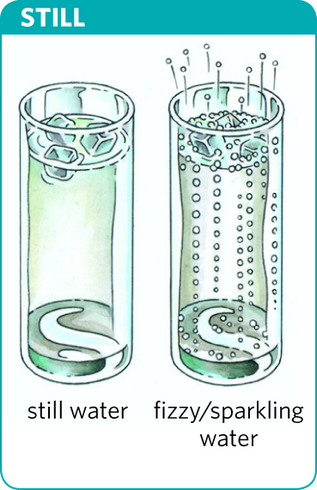 not moving不动的;静止的inmóvil; que no se mueveimóvel; que não se move動かない;静止した움직이지 않는; 정지한: We stood still and watched as the deer came closer.我们站着一动不动,看着鹿慢慢走近。Nos quedamos quietos y observamos cómo el ciervo se acercaba.Ficamos parados e observamos o cervo se aproximar.私たちはじっと立ち止まり、鹿が近づいてくるのを見た。우리는 가만히 서서 사슴이 다가오는 것을 지켜봤다. Keep still while I tie your shoe.我给你系鞋带时,别动。Quédate quieto mientras te ato el zapato.Fique quieto enquanto eu amarro o seu sapato.靴を結んであげるから、じっとしていて。신발 묶어줄 테니 가만히 있어. the still waters of the lake平静的湖水las aguas tranquilas del lagoas águas calmas do lago湖の静かな水面호수의 잔잔한 물2quiet and calm寂静而平静的silencioso y tranquiloquieto e calmo静かで穏やかな고요하고 평온한: The house was completely still.屋子里一片寂静。La casa estaba completamente en silencio.A casa estava completamente silenciosa.家の中はまったく静まり返っていた。집 안이 완전히 고요했다.3not windy无风的sin vientosem vento風のない바람이 없는: a hot still day炎热无风的一天un día caluroso y sin vientoum dia quente e sem vento風のない暑い日덥고 바람 한 점 없는 날4British English a still drink does not contain gasstill(饮料)不含碳酸气体una bebida still no contiene gasuma bebida still não contém gásstill(飲み物)は炭酸を含まないstill 음료는 탄산이 들어 있지 않다: still or sparkling mineral water无气或有气矿泉水agua mineral sin gas o con gaságua mineral sem gás ou com gás無炭酸またはスパークリングのミネラルウォーター탄산 없는 또는 탄산 있는 미네랄 워터5still waters run deep used to say that someone who is quiet may have very strong feelings or a lot of knowledge用于表示沉默寡言的人可能拥有非常强烈的情感或丰富的知识se usa para decir que una persona callada puede tener sentimientos muy intensos o muchos conocimientosusado para dizer que uma pessoa quieta pode ter sentimentos muito intensos ou muito conhecimento静かな人が非常に強い感情や豊富な知識を持っている可能性があることを言うのに使う조용한 사람이 매우 강한 감정이나 풍부한 지식을 가지고 있을 수 있다는 것을 나타낼 때 사용—stillness noun [uncountable]: Somewhere in the stillness of the night, an owl hooted.在夜晚的寂静中,某处传来猫头鹰的叫声。En algún lugar, en el silencio de la noche, un búho ululó.Em algum lugar, no silêncio da noite, uma coruja piou.夜の静寂のどこかで、フクロウが鳴いた。밤의 고요함 속 어딘가에서 올빼미가 울었다.
1not moving不动的;静止的inmóvil; que no se mueveimóvel; que não se move動かない;静止した움직이지 않는; 정지한: We stood still and watched as the deer came closer.我们站着一动不动,看着鹿慢慢走近。Nos quedamos quietos y observamos cómo el ciervo se acercaba.Ficamos parados e observamos o cervo se aproximar.私たちはじっと立ち止まり、鹿が近づいてくるのを見た。우리는 가만히 서서 사슴이 다가오는 것을 지켜봤다. Keep still while I tie your shoe.我给你系鞋带时,别动。Quédate quieto mientras te ato el zapato.Fique quieto enquanto eu amarro o seu sapato.靴を結んであげるから、じっとしていて。신발 묶어줄 테니 가만히 있어. the still waters of the lake平静的湖水las aguas tranquilas del lagoas águas calmas do lago湖の静かな水面호수의 잔잔한 물2quiet and calm寂静而平静的silencioso y tranquiloquieto e calmo静かで穏やかな고요하고 평온한: The house was completely still.屋子里一片寂静。La casa estaba completamente en silencio.A casa estava completamente silenciosa.家の中はまったく静まり返っていた。집 안이 완전히 고요했다.3not windy无风的sin vientosem vento風のない바람이 없는: a hot still day炎热无风的一天un día caluroso y sin vientoum dia quente e sem vento風のない暑い日덥고 바람 한 점 없는 날4British English a still drink does not contain gasstill(饮料)不含碳酸气体una bebida still no contiene gasuma bebida still não contém gásstill(飲み物)は炭酸を含まないstill 음료는 탄산이 들어 있지 않다: still or sparkling mineral water无气或有气矿泉水agua mineral sin gas o con gaságua mineral sem gás ou com gás無炭酸またはスパークリングのミネラルウォーター탄산 없는 또는 탄산 있는 미네랄 워터5still waters run deep used to say that someone who is quiet may have very strong feelings or a lot of knowledge用于表示沉默寡言的人可能拥有非常强烈的情感或丰富的知识se usa para decir que una persona callada puede tener sentimientos muy intensos o muchos conocimientosusado para dizer que uma pessoa quieta pode ter sentimentos muito intensos ou muito conhecimento静かな人が非常に強い感情や豊富な知識を持っている可能性があることを言うのに使う조용한 사람이 매우 강한 감정이나 풍부한 지식을 가지고 있을 수 있다는 것을 나타낼 때 사용—stillness noun [uncountable]: Somewhere in the stillness of the night, an owl hooted.在夜晚的寂静中,某处传来猫头鹰的叫声。En algún lugar, en el silencio de la noche, un búho ululó.Em algum lugar, no silêncio da noite, uma coruja piou.夜の静寂のどこかで、フクロウが鳴いた。밤의 고요함 속 어딘가에서 올빼미가 울었다.stillstill3 noun [countable] 1a photograph of a scene from a film电影某场景的剧照fotografía de una escena de una películafotografia de uma cena de um filme映画の一場面を撮った写真;スチール写真영화의 한 장면을 찍은 사진; 스틸 사진2a piece of equipment for making alcoholic drinks from grain or potatoes用谷物或马铃薯酿制酒精饮料的蒸馏器aparato para destilar bebidas alcohólicas a partir de cereales o papasequipamento para fabricar bebidas alcoólicas a partir de grãos ou batatas穀物やジャガイモからアルコール飲料を製造する蒸留器곡물이나 감자로 알코올 음료를 만드는 증류기3the still of the night/evening etc literary文学literarioliterário文語문어체 the calm and quiet of the night etc夜晚等的平静与寂静la calma y el silencio de la noche, etc.a calma e o silêncio da noite etc.夜などの静けさと静寂밤 등의 고요함과 정적
1a photograph of a scene from a film电影某场景的剧照fotografía de una escena de una películafotografia de uma cena de um filme映画の一場面を撮った写真;スチール写真영화의 한 장면을 찍은 사진; 스틸 사진2a piece of equipment for making alcoholic drinks from grain or potatoes用谷物或马铃薯酿制酒精饮料的蒸馏器aparato para destilar bebidas alcohólicas a partir de cereales o papasequipamento para fabricar bebidas alcoólicas a partir de grãos ou batatas穀物やジャガイモからアルコール飲料を製造する蒸留器곡물이나 감자로 알코올 음료를 만드는 증류기3the still of the night/evening etc literary文学literarioliterário文語문어체 the calm and quiet of the night etc夜晚等的平静与寂静la calma y el silencio de la noche, etc.a calma e o silêncio da noite etc.夜などの静けさと静寂밤 등의 고요함과 정적stillstill4 verb literary文学literarioliterário文語문어체 1[intransitive, transitive] to stop moving, or make something stop moving停止移动,或使某物停止移动dejar de moverse, o hacer que algo deje de moverseparar de se mover, ou fazer algo parar de se mover動くのを止める、または何かを止める움직임을 멈추다, 또는 무언가를 멈추게 하다: The ground beneath them trembled, then stilled.他们脚下的地面颤动了一下,随后归于平静。El suelo bajo sus pies tembló y luego se inmovilizó.O chão sob eles tremeu e depois se aquietou.彼らの足元の地面が揺れ、そして静まった。그들 아래의 땅이 떨리더니 이내 잠잠해졌다.2[intransitive, transitive] if a noise stills or is stilled, it stops若某声音 stills 或 is stilled,即指该声音停止si un ruido stills o is stilled, significa que cesase um ruído stills ou is stilled, significa que ele para音がstillsまたはis stilledになれば、その音が止まることを表す소리가 stills 되거나 is stilled 되면 그 소리가 멈추는 것을 나타낸다: The murmurs stilled.低语声停了下来。Los murmullos cesaron.Os murmúrios cessaram.ざわめきが静まった。웅성거리는 소리가 잦아들었다. He stilled their protests with a wave of his hands.他挥了挥手,平息了他们的抗议。Acalló sus protestas con un gesto de las manos.Ele silenciou os protestos deles com um aceno das mãos.彼は手を一振りして彼らの抗議を静めた。그는 손을 한 번 흔들어 그들의 항의를 잠재웠다.3[transitive] if a doubt or fear is stilled, it becomes weaker or goes away若疑虑或恐惧 is stilled,即指它变弱或消散si una duda o un temor is stilled, significa que se debilita o desaparecese uma dúvida ou um medo is stilled, significa que enfraquece ou desaparece疑念や恐れがis stilledになれば、それが弱まるか消えることを表す의심이나 두려움이 is stilled 되면 약해지거나 사라지는 것을 나타낸다
1[intransitive, transitive] to stop moving, or make something stop moving停止移动,或使某物停止移动dejar de moverse, o hacer que algo deje de moverseparar de se mover, ou fazer algo parar de se mover動くのを止める、または何かを止める움직임을 멈추다, 또는 무언가를 멈추게 하다: The ground beneath them trembled, then stilled.他们脚下的地面颤动了一下,随后归于平静。El suelo bajo sus pies tembló y luego se inmovilizó.O chão sob eles tremeu e depois se aquietou.彼らの足元の地面が揺れ、そして静まった。그들 아래의 땅이 떨리더니 이내 잠잠해졌다.2[intransitive, transitive] if a noise stills or is stilled, it stops若某声音 stills 或 is stilled,即指该声音停止si un ruido stills o is stilled, significa que cesase um ruído stills ou is stilled, significa que ele para音がstillsまたはis stilledになれば、その音が止まることを表す소리가 stills 되거나 is stilled 되면 그 소리가 멈추는 것을 나타낸다: The murmurs stilled.低语声停了下来。Los murmullos cesaron.Os murmúrios cessaram.ざわめきが静まった。웅성거리는 소리가 잦아들었다. He stilled their protests with a wave of his hands.他挥了挥手,平息了他们的抗议。Acalló sus protestas con un gesto de las manos.Ele silenciou os protestos deles com um aceno das mãos.彼は手を一振りして彼らの抗議を静めた。그는 손을 한 번 흔들어 그들의 항의를 잠재웠다.3[transitive] if a doubt or fear is stilled, it becomes weaker or goes away若疑虑或恐惧 is stilled,即指它变弱或消散si una duda o un temor is stilled, significa que se debilita o desaparecese uma dúvida ou um medo is stilled, significa que enfraquece ou desaparece疑念や恐れがis stilledになれば、それが弱まるか消えることを表す의심이나 두려움이 is stilled 되면 약해지거나 사라지는 것을 나타낸다