
seed の英語での意味
seedseed1 /siːd/ noun 
 すべての翻訳を見る1
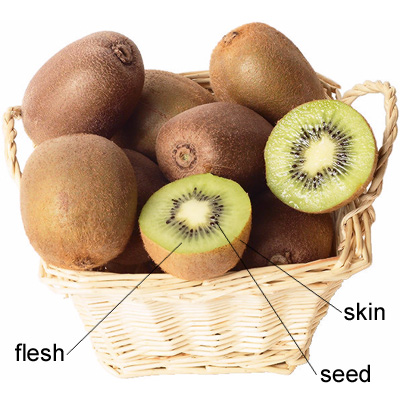 plants a)[countable, uncountable] a small hard object produced by plants, from which a new plant of the same kind grows植物が生産する小さくて硬い物体で、そこから同じ種類の新しい植物が育つもの:
  a packet of sunflower seedsひまわりの種一袋plant/sow seeds (=put them in the soil)(=土の中に入れること) Sow the seeds one inch deep in the soil.種を土の中に1インチの深さにまいてください。grow something from seed We grew all our tomatoes from seed.私たちのトマトはすべて種から育てた。 b)[uncountable] a quantity of seedsある量の種(集合的・不可算の用法): Some of the poorest farmers don’t have enough money to buy seed.最も貧しい農民の中には、種を買う十分なお金がない者もいる。2in fruit [countable] American English one of the small hard objects in a fruit such as an apple or orange, from which new fruit trees growリンゴやオレンジなどの果物の中にある小さくて硬い物体で、そこから新しい果樹が育つもの SYN pip British English3seeds of something written書き言葉 something that makes a new situation start to grow and develop新しい状況が生まれ発展するきっかけとなるものseeds of change/victory The seeds of change in Eastern Europe were beginning to emerge.東ヨーロッパにおける変化の芽生えが現れ始めていた。seeds of doubt/disaster/destruction etc (=something which makes a bad feeling or situation develop)(=悪い感情や状況を生じさせ、発展させるもの) Something Lucy said began to sow seeds of doubt in his mind.ルーシーが言ったあることが、彼の心に疑惑の種を蒔き始めた。4go/run to seed a)if a plant or vegetable goes or runs to seed, it starts producing flowers and seeds as well as leaves植物や野菜がとう立ちする:葉だけでなく花や種もつけ始める b)if someone or something goes or runs to seed, they become less attractive or good, especially because they are getting old and have not been properly looked after人や物が荒れる・衰える:特に老化や手入れ不足により、魅力や質が低下する: The old central bus station is going to seed.古い中央バスターミナルは荒れ果てつつある。5number one/two/three etc seed [countable] a player or team in a competition that is given a particular position, according to how likely they are to win大会において勝利の可能性に応じて特定の順位を与えられた選手またはチーム;シード選手: He’s been top seed for the past two years.彼はここ2年間、第1シードを維持している。6sex [uncountable] biblical聖書語 semen or sperm – often used humorously精液または精子——しばしばユーモラスに用いられる7family [uncountable] biblical聖書語 the group of people who have a particular person as their father, grandfather etc, especially when they form a particular raceある人物を父や祖父などとする人々の集団、特に特定の民族を形成する場合;子孫、末裔COLLOCATIONSコロケーションverbs動詞plant/sow seeds (=put them in the soil)· Sow the seeds in trays or pots.· 種を苗床トレイや植木鉢にまいてください。grow something from seed (=grow a plant from a seed rather than buying it as a small plant)· You can grow most vegetables from seed.· ほとんどの野菜は種から育てることができます。seeds germinate (=start to grow)· The seeds should start to germinate after a few days.· 数日後に種が発芽し始めるはずです。NOUN + seed名詞 + seedflower/sunflower/tomato etc seeds· I bought a packet of poppy seeds.· ポピーシードを一袋買った。grass seed· You can sprinkle grass seed over any gaps in the lawn.· 芝生の隙間に芝の種を撒くことができます。
すべての翻訳を見る1plants a)[countable, uncountable] a small hard object produced by plants, from which a new plant of the same kind grows植物が生産する小さくて硬い物体で、そこから同じ種類の新しい植物が育つもの: a packet of sunflower seedsひまわりの種一袋plant/sow seeds (=put them in the soil)(=土の中に入れること) Sow the seeds one inch deep in the soil.種を土の中に1インチの深さにまいてください。grow something from seed We grew all our tomatoes from seed.私たちのトマトはすべて種から育てた。 b)[uncountable] a quantity of seedsある量の種(集合的・不可算の用法): Some of the poorest farmers don’t have enough money to buy seed.最も貧しい農民の中には、種を買う十分なお金がない者もいる。2in fruit [countable] American English one of the small hard objects in a fruit such as an apple or orange, from which new fruit trees growリンゴやオレンジなどの果物の中にある小さくて硬い物体で、そこから新しい果樹が育つもの SYN pip British English3seeds of something written書き言葉 something that makes a new situation start to grow and develop新しい状況が生まれ発展するきっかけとなるものseeds of change/victory The seeds of change in Eastern Europe were beginning to emerge.東ヨーロッパにおける変化の芽生えが現れ始めていた。seeds of doubt/disaster/destruction etc (=something which makes a bad feeling or situation develop)(=悪い感情や状況を生じさせ、発展させるもの) Something Lucy said began to sow seeds of doubt in his mind.ルーシーが言ったあることが、彼の心に疑惑の種を蒔き始めた。4go/run to seed a)if a plant or vegetable goes or runs to seed, it starts producing flowers and seeds as well as leaves植物や野菜がとう立ちする:葉だけでなく花や種もつけ始める b)if someone or something goes or runs to seed, they become less attractive or good, especially because they are getting old and have not been properly looked after人や物が荒れる・衰える:特に老化や手入れ不足により、魅力や質が低下する: The old central bus station is going to seed.古い中央バスターミナルは荒れ果てつつある。5number one/two/three etc seed [countable] a player or team in a competition that is given a particular position, according to how likely they are to win大会において勝利の可能性に応じて特定の順位を与えられた選手またはチーム;シード選手: He’s been top seed for the past two years.彼はここ2年間、第1シードを維持している。6sex [uncountable] biblical聖書語 semen or sperm – often used humorously精液または精子——しばしばユーモラスに用いられる7family [uncountable] biblical聖書語 the group of people who have a particular person as their father, grandfather etc, especially when they form a particular raceある人物を父や祖父などとする人々の集団、特に特定の民族を形成する場合;子孫、末裔COLLOCATIONSコロケーションverbs動詞plant/sow seeds (=put them in the soil)· Sow the seeds in trays or pots.· 種を苗床トレイや植木鉢にまいてください。grow something from seed (=grow a plant from a seed rather than buying it as a small plant)· You can grow most vegetables from seed.· ほとんどの野菜は種から育てることができます。seeds germinate (=start to grow)· The seeds should start to germinate after a few days.· 数日後に種が発芽し始めるはずです。NOUN + seed名詞 + seedflower/sunflower/tomato etc seeds· I bought a packet of poppy seeds.· ポピーシードを一袋買った。grass seed· You can sprinkle grass seed over any gaps in the lawn.· 芝生の隙間に芝の種を撒くことができます。seedseed2 verb 1[transitive] to remove seeds from fruit or vegetables果物や野菜から種を取り除く: Add one lime, seeded and sliced.ライム1個を種を取り除いてスライスし、加えてください。2[transitive] to give a player or team in a competition a particular position, according to how likely they are to win大会において勝利の可能性に応じた特定の順位を選手やチームに与える;シードするbe seeded 8th/18th etc Sharapova was seeded fifth at Wimbledon.シャラポワはウィンブルドンで第5シードを与えられた。3[transitive] to plant seeds in the ground土に種をまく;播種する: a newly seeded lawn新たに種をまいた芝生4[intransitive] to produce seeds種をつける;結実する5seed itself if a tree or plant seeds itself, it produces a new plant using its own seeds木や植物が自家播種すると、自分の種から新しい植物を育てることGRAMMAR Seed is usually passive when used as a transitive verb.
1[transitive] to remove seeds from fruit or vegetables果物や野菜から種を取り除く: Add one lime, seeded and sliced.ライム1個を種を取り除いてスライスし、加えてください。2[transitive] to give a player or team in a competition a particular position, according to how likely they are to win大会において勝利の可能性に応じた特定の順位を選手やチームに与える;シードするbe seeded 8th/18th etc Sharapova was seeded fifth at Wimbledon.シャラポワはウィンブルドンで第5シードを与えられた。3[transitive] to plant seeds in the ground土に種をまく;播種する: a newly seeded lawn新たに種をまいた芝生4[intransitive] to produce seeds種をつける;結実する5seed itself if a tree or plant seeds itself, it produces a new plant using its own seeds木や植物が自家播種すると、自分の種から新しい植物を育てることGRAMMAR Seed is usually passive when used as a transitive verb.