
seed의 영어 뜻
seedseed1 /siːd/ noun 
 모든 번역 보기1
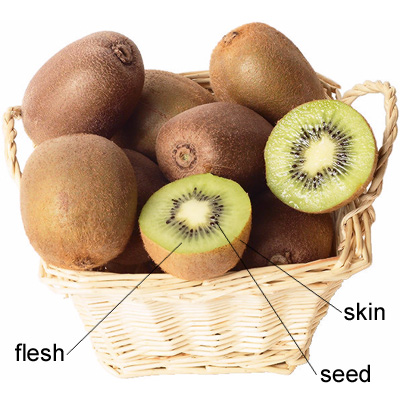 plants a)[countable, uncountable] a small hard object produced by plants, from which a new plant of the same kind grows식물이 만들어내는 작고 단단한 물체로, 거기서 같은 종류의 새 식물이 자람:
  a packet of sunflower seeds해바라기씨 한 봉지plant/sow seeds (=put them in the soil)(=흙 속에 넣는 것) Sow the seeds one inch deep in the soil.씨앗을 흙 속 1인치 깊이에 심으세요.grow something from seed We grew all our tomatoes from seed.우리는 모든 토마토를 씨앗부터 길렀다. b)[uncountable] a quantity of seeds일정량의 씨앗(집합적·불가산 용법): Some of the poorest farmers don’t have enough money to buy seed.가장 가난한 농부들 중 일부는 씨앗을 살 돈이 충분하지 않다.2in fruit [countable] American English one of the small hard objects in a fruit such as an apple or orange, from which new fruit trees grow사과나 오렌지 같은 과일 속에 있는 작고 단단한 물체로, 거기서 새로운 과일나무가 자람 SYN pip British English3seeds of something written문어체 something that makes a new situation start to grow and develop새로운 상황이 싹트고 발전하게 만드는 것seeds of change/victory The seeds of change in Eastern Europe were beginning to emerge.동유럽의 변화의 씨앗이 싹트기 시작했다.seeds of doubt/disaster/destruction etc (=something which makes a bad feeling or situation develop)(=나쁜 감정이나 상황을 싹트게 하는 것) Something Lucy said began to sow seeds of doubt in his mind.루시가 한 말이 그의 마음속에 의심의 씨앗을 심기 시작했다.4go/run to seed a)if a plant or vegetable goes or runs to seed, it starts producing flowers and seeds as well as leaves식물이나 채소가 웃자라다: 잎 외에도 꽃과 씨앗을 맺기 시작하다 b)if someone or something goes or runs to seed, they become less attractive or good, especially because they are getting old and have not been properly looked after사람이나 사물이 황폐해지다: 특히 나이 들거나 제대로 관리되지 않아 매력이나 질이 떨어지다: The old central bus station is going to seed.오래된 중앙 버스 터미널이 점점 황폐해지고 있다.5number one/two/three etc seed [countable] a player or team in a competition that is given a particular position, according to how likely they are to win대회에서 우승 가능성에 따라 특정 순위를 부여받은 선수나 팀; 시드 선수: He’s been top seed for the past two years.그는 지난 2년간 1번 시드를 유지해 왔다.6sex [uncountable] biblical성경 용어 semen or sperm – often used humorously정액 또는 정자 — 주로 유머적으로 사용됨7family [uncountable] biblical성경 용어 the group of people who have a particular person as their father, grandfather etc, especially when they form a particular race특정 인물을 아버지, 할아버지 등으로 두는 사람들의 집단, 특히 특정 민족을 이룰 때; 후손, 자손COLLOCATIONS연어verbs동사plant/sow seeds (=put them in the soil)· Sow the seeds in trays or pots.· 씨앗을 트레이나 화분에 심으세요.grow something from seed (=grow a plant from a seed rather than buying it as a small plant)· You can grow most vegetables from seed.· 대부분의 채소는 씨앗부터 키울 수 있다.seeds germinate (=start to grow)· The seeds should start to germinate after a few days.· 씨앗은 며칠 후에 발아하기 시작해야 한다.NOUN + seed명사 + seedflower/sunflower/tomato etc seeds· I bought a packet of poppy seeds.· 양귀비씨 한 봉지를 샀다.grass seed· You can sprinkle grass seed over any gaps in the lawn.· 잔디밭의 빈 곳에 잔디씨를 뿌릴 수 있다.
모든 번역 보기1plants a)[countable, uncountable] a small hard object produced by plants, from which a new plant of the same kind grows식물이 만들어내는 작고 단단한 물체로, 거기서 같은 종류의 새 식물이 자람: a packet of sunflower seeds해바라기씨 한 봉지plant/sow seeds (=put them in the soil)(=흙 속에 넣는 것) Sow the seeds one inch deep in the soil.씨앗을 흙 속 1인치 깊이에 심으세요.grow something from seed We grew all our tomatoes from seed.우리는 모든 토마토를 씨앗부터 길렀다. b)[uncountable] a quantity of seeds일정량의 씨앗(집합적·불가산 용법): Some of the poorest farmers don’t have enough money to buy seed.가장 가난한 농부들 중 일부는 씨앗을 살 돈이 충분하지 않다.2in fruit [countable] American English one of the small hard objects in a fruit such as an apple or orange, from which new fruit trees grow사과나 오렌지 같은 과일 속에 있는 작고 단단한 물체로, 거기서 새로운 과일나무가 자람 SYN pip British English3seeds of something written문어체 something that makes a new situation start to grow and develop새로운 상황이 싹트고 발전하게 만드는 것seeds of change/victory The seeds of change in Eastern Europe were beginning to emerge.동유럽의 변화의 씨앗이 싹트기 시작했다.seeds of doubt/disaster/destruction etc (=something which makes a bad feeling or situation develop)(=나쁜 감정이나 상황을 싹트게 하는 것) Something Lucy said began to sow seeds of doubt in his mind.루시가 한 말이 그의 마음속에 의심의 씨앗을 심기 시작했다.4go/run to seed a)if a plant or vegetable goes or runs to seed, it starts producing flowers and seeds as well as leaves식물이나 채소가 웃자라다: 잎 외에도 꽃과 씨앗을 맺기 시작하다 b)if someone or something goes or runs to seed, they become less attractive or good, especially because they are getting old and have not been properly looked after사람이나 사물이 황폐해지다: 특히 나이 들거나 제대로 관리되지 않아 매력이나 질이 떨어지다: The old central bus station is going to seed.오래된 중앙 버스 터미널이 점점 황폐해지고 있다.5number one/two/three etc seed [countable] a player or team in a competition that is given a particular position, according to how likely they are to win대회에서 우승 가능성에 따라 특정 순위를 부여받은 선수나 팀; 시드 선수: He’s been top seed for the past two years.그는 지난 2년간 1번 시드를 유지해 왔다.6sex [uncountable] biblical성경 용어 semen or sperm – often used humorously정액 또는 정자 — 주로 유머적으로 사용됨7family [uncountable] biblical성경 용어 the group of people who have a particular person as their father, grandfather etc, especially when they form a particular race특정 인물을 아버지, 할아버지 등으로 두는 사람들의 집단, 특히 특정 민족을 이룰 때; 후손, 자손COLLOCATIONS연어verbs동사plant/sow seeds (=put them in the soil)· Sow the seeds in trays or pots.· 씨앗을 트레이나 화분에 심으세요.grow something from seed (=grow a plant from a seed rather than buying it as a small plant)· You can grow most vegetables from seed.· 대부분의 채소는 씨앗부터 키울 수 있다.seeds germinate (=start to grow)· The seeds should start to germinate after a few days.· 씨앗은 며칠 후에 발아하기 시작해야 한다.NOUN + seed명사 + seedflower/sunflower/tomato etc seeds· I bought a packet of poppy seeds.· 양귀비씨 한 봉지를 샀다.grass seed· You can sprinkle grass seed over any gaps in the lawn.· 잔디밭의 빈 곳에 잔디씨를 뿌릴 수 있다.seedseed2 verb 1[transitive] to remove seeds from fruit or vegetables과일이나 채소에서 씨를 제거하다: Add one lime, seeded and sliced.씨를 빼고 얇게 썬 라임 한 개를 넣으세요.2[transitive] to give a player or team in a competition a particular position, according to how likely they are to win대회에서 우승 가능성에 따라 선수나 팀에 특정 순위를 부여하다; 시드를 배정하다be seeded 8th/18th etc Sharapova was seeded fifth at Wimbledon.샤라포바는 윔블던에서 5번 시드를 배정받았다.3[transitive] to plant seeds in the ground땅에 씨앗을 심다; 씨를 뿌리다: a newly seeded lawn새로 씨를 뿌린 잔디밭4[intransitive] to produce seeds씨앗을 맺다; 씨가 생기다5seed itself if a tree or plant seeds itself, it produces a new plant using its own seeds나무나 식물이 스스로 씨를 퍼뜨리면, 자신의 씨앗으로 새로운 식물을 만들어냄GRAMMAR Seed is usually passive when used as a transitive verb.
1[transitive] to remove seeds from fruit or vegetables과일이나 채소에서 씨를 제거하다: Add one lime, seeded and sliced.씨를 빼고 얇게 썬 라임 한 개를 넣으세요.2[transitive] to give a player or team in a competition a particular position, according to how likely they are to win대회에서 우승 가능성에 따라 선수나 팀에 특정 순위를 부여하다; 시드를 배정하다be seeded 8th/18th etc Sharapova was seeded fifth at Wimbledon.샤라포바는 윔블던에서 5번 시드를 배정받았다.3[transitive] to plant seeds in the ground땅에 씨앗을 심다; 씨를 뿌리다: a newly seeded lawn새로 씨를 뿌린 잔디밭4[intransitive] to produce seeds씨앗을 맺다; 씨가 생기다5seed itself if a tree or plant seeds itself, it produces a new plant using its own seeds나무나 식물이 스스로 씨를 퍼뜨리면, 자신의 씨앗으로 새로운 식물을 만들어냄GRAMMAR Seed is usually passive when used as a transitive verb.