
babybaby1 /ˈbeɪbi/ noun (plural babies) [countable] 
 1
1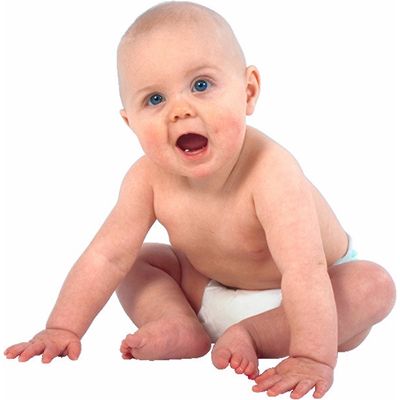 young child a very young child who has not yet learned to speak or walk尚未学会说话或走路的幼儿niño o niña muy pequeño que aún no ha aprendido a hablar ni a caminarcriança muito pequena que ainda não aprendeu a falar nem a andarまだ話すことも歩くことも学んでいない非常に幼い子ども아직 말하거나 걷는 것을 배우지 못한 아주 어린 아이:
  The baby is crying.婴儿在哭。El bebé está llorando.O bebê está chorando.赤ちゃんが泣いている。아기가 울고 있다. She gave birth to a baby on Thursday.她于周四生下了一个婴儿。Ella dio a luz a un bebé el jueves.Ela deu à luz um bebê na quinta-feira.彼女は木曜日に赤ちゃんを産んだ。그녀는 목요일에 아기를 낳았다. What do you think of your new baby sister?你觉得你刚出生的小妹妹怎么样?¿Qué te parece tu nueva hermanita recién nacida?O que você acha da sua nova irmãzinha bebê?新しく生まれた妹ちゃんはどう思う?새로 태어난 아기 여동생은 어때? → test-tube baby2young animal a very young animal幼小的动物animal muy joven; críaanimal muito jovem; filhote非常に幼い動物;幼獣아주 어린 동물; 새끼: baby birds幼鸟crías de pájarofilhotes de pássaro幼鳥;ひな鳥아기 새; 새끼 새3vegetable a type of vegetable which is grown to be much smaller than usual or is eaten before it has grown to its normal size特意培育成远比正常尺寸小的蔬菜,或在长至正常大小前就采摘食用的蔬菜tipo de vegetal cultivado para ser mucho más pequeño de lo normal, o que se come antes de alcanzar su tamaño habitualtipo de vegetal cultivado para ser muito menor do que o normal ou colhido antes de atingir o tamanho usual通常よりもはるかに小さく育てられた野菜、または通常の大きさになる前に食べる野菜보통보다 훨씬 작게 재배되거나 정상 크기로 자라기 전에 먹는 채소: baby carrots迷你胡萝卜zanahorias babycenouras babyベビーキャロット베이비 당근 baby sweetcorn迷你玉米;珍珠玉米minielote; maíz babyminimilho; milho babyベビーコーン베이비 옥수수4youngest a younger child in a family, often the youngest家中年龄较小的孩子,通常是最小的那个hijo menor de una familia, generalmente el más pequeñofilho mais novo da família, geralmente o caçula家族の中で年下の子ども、多くの場合は末っ子가족 중 나이가 어린 아이, 흔히 막내: Clare is the baby of the family.Clare 是家里最小的孩子。Clare es la pequeña de la familia.Clare é a caçula da família.Clareは家族の末っ子だ。Clare는 집안의 막내다.5woman spoken口语oraloral話し言葉구어 a)used to address someone that you love用于称呼自己所爱之人se usa para dirigirse a alguien a quien se quiereusado para se dirigir a alguém que se ama愛する人への呼びかけに使う사랑하는 사람을 부를 때 사용함: · Relax, baby – we’re on holiday.· 放松,宝贝——我们在度假呢。· Relájate, cariño, estamos de vacaciones.· Relaxa, meu bem — estamos de férias.· リラックスして、ベイビー——休暇中なんだから。· 긴장 풀어, 자기야 — 우리 휴가 중이잖아. b) not polite不礼貌poco cortésnão é educado丁寧ではない공손하지 않음 used to address a young woman that you do not know用于称呼不认识的年轻女性se usa para dirigirse a una mujer joven desconocidausado para se dirigir a uma mulher jovem que não se conhece見知らぬ若い女性への呼びかけに使う모르는 젊은 여성을 부를 때 사용함6silly person someone, especially an older child, who is not behaving in a brave way表现得不够勇敢的人,尤指年龄较大的孩子persona, especialmente un niño mayor, que no se está comportando con valentíapessoa, especialmente uma criança mais velha, que não está se comportando de forma corajosa勇敢に振る舞っていない人、特に年上の子ども용감하게 행동하지 않는 사람, 특히 나이 든 아이: Don’t be a baby!别那么娇气!¡No seas tan cobarde!Não seja frouxo!弱虫になるな!겁쟁이처럼 굴지 마!7responsibility something special that someone has developed or is responsible for某人亲手开发或专门负责的特别事物algo especial que alguien ha desarrollado o de lo que es responsablealgo especial que alguém desenvolveu ou pelo qual é responsável誰かが開発した、またはその人が責任を持つ特別なもの누군가가 개발하거나 담당하는 특별한 것: Don’t ask me about the building contract – that’s Robert’s baby.别问我建筑合同的事——那是 Robert 负责的。No me preguntes sobre el contrato de construcción, eso es asunto de Robert.Não me pergunte sobre o contrato de construção — isso é responsabilidade do Robert.建設契約のことは私に聞かないで——それはRobertの担当だ。건설 계약에 대해서는 나한테 묻지 마 — 그건 Robert 담당이야.8thing informal非正式informalinformalインフォーマル비격식 something, especially a piece of equipment or a machine, that you care about a lot某人非常爱惜的东西,尤指某件设备或机器algo, especialmente un equipo o una máquina, por lo que se siente gran apegoalgo, especialmente um equipamento ou máquina, pelo qual se tem grande apreço非常に大切にしているもの、特に機器や機械매우 아끼는 것, 특히 장비나 기계: This baby can reach speeds of 130 miles per hour.这宝贝儿时速能跑到130英里。Este bebé puede alcanzar las 130 millas por hora.Esse bebê consegue atingir 130 milhas por hora.こいつは時速130マイルに達することができる。이 녀석은 시속 130마일까지 낼 수 있어. → throw the baby out with the bathwater at throw1(37)COLLOCATIONS词语搭配COLOCACIONESCOLOCAÇÕESコロケーション연어verbs动词verbosverbos動詞동사a baby is born· Let me know as soon as the baby is born.· 孩子一出生就告诉我。· Avísame en cuanto nazca el bebé.· Me avise assim que o bebê nascer.· 赤ちゃんが生まれたらすぐに知らせてください。· 아기가 태어나는 즉시 알려 줘.have a baby/give birth to a baby· She had the baby at home.· 她在家里生了孩子。· Ella tuvo al bebé en casa.· Ela teve o bebê em casa.· 彼女は自宅で出産した。· 그녀는 집에서 아기를 낳았다.· Sue gave birth to a baby boy.· Sue 生了一个男婴。· Sue dio a luz a un niño.· Sue deu à luz um menino.· Sueは男の子を産んだ。· Sue는 사내아이를 낳았다.be expecting a baby (=be pregnant)· My wife’s expecting a baby.· 我妻子怀孕了。· Mi esposa está esperando un bebé.· Minha esposa está grávida.· 妻は赤ちゃんを妊娠している。· 내 아내는 임신 중이다.a baby is due (=is expected to be born)· When is your baby due?· 你的宝宝预产期是什么时候?· ¿Cuándo sale de cuentas?· Qual é a data prevista para o nascimento do seu bebê?· 赤ちゃんはいつ生まれる予定ですか?· 아기 출산 예정일이 언제예요?lose a baby (=have a baby that dies when it is born too soon)· She was three months pregnant when she lost the baby.· 她怀孕三个月时失去了孩子。· Estaba embarazada de tres meses cuando perdió al bebé.· Ela estava grávida de três meses quando perdeu o bebê.· 彼女は妊娠3か月のときに赤ちゃんを失った。· 그녀는 임신 3개월에 아기를 잃었다.deliver a baby (=help a woman to give birth to a baby)· Usually your baby will be delivered by a midwife.· 通常由助产士为您接生。· Por lo general, una partera atenderá el parto de tu bebé.· Geralmente, seu bebê será recebido por uma parteira.· 通常、赤ちゃんは助産師が取り上げます。· 보통은 조산사가 아기를 받아 줄 것입니다.abandon a baby (=leave your baby somewhere because you do not want it)· A disturbing number of babies are abandoned by their mothers.· 令人忧虑的是,有大量婴儿被母亲遗弃。· Un número alarmante de bebés son abandonados por sus madres.· Um número perturbador de bebês é abandonado por suas mães.· 憂慮すべき数の赤ちゃんが母親に見捨てられている。· 우려스러울 만큼 많은 아기가 어머니에게 버려지고 있다.feed a baby· If your baby cries, she may want feeding.· 如果你的宝宝哭了,她可能是饿了想喝奶。· Si tu bebé llora, puede que quiera comer.· Se o seu bebê chorar, ela pode estar querendo mamar.· 赤ちゃんが泣いたら、授乳を求めているのかもしれません。· 아기가 울면 젖을 먹고 싶은 것일 수 있다.breast-feed a baby· 63% of new mothers breast-feed their babies.· 63%的新妈妈为婴儿进行母乳喂养。· El 63% de las madres primerizas amamantan a sus bebés.· 63% das novas mães amamentam seus bebês.· 新米の母親の63%が赤ちゃんに母乳を与えている。· 새 엄마의 63%가 아기에게 모유 수유를 한다.change a baby (=change its nappy)· Could you change the baby for me?· 你能帮我给宝宝换尿布吗?· ¿Podrías cambiarle el pañal al bebé?· Você poderia trocar a fralda do bebê para mim?· 赤ちゃんのオムツを替えてもらえますか?· 아기 기저귀 좀 갈아 주실 수 있어요?adjectives形容词adjetivosadjetivos形容詞형용사a newborn baby· There’s plenty of help and advice for people with newborn babies.· 针对有新生儿的父母,有大量帮助和建议可供参考。· Hay mucha ayuda y orientación disponible para personas con bebés recién nacidos.· Há muita ajuda e orientação disponível para pessoas com bebês recém-nascidos.· 新生児を持つ人たちへの支援やアドバイスはたくさんある。· 신생아를 둔 사람들을 위한 도움과 조언이 많이 있다.an unborn baby (=not yet born)· Drinking alcohol is bad for your unborn baby.· 饮酒对腹中的胎儿有害。· Beber alcohol es perjudicial para tu bebé en gestación.· Beber álcool é prejudicial para o seu bebê ainda por nascer.· アルコールを飲むことは、おなかの赤ちゃんに悪影響を及ぼす。· 음주는 태어나지 않은 아기에게 해롭다.a premature baby (=born before the normal time)· Lesley’s baby was three weeks premature.· Lesley 的孩子早产了三周。· El bebé de Lesley nació tres semanas antes de tiempo.· O bebê de Lesley nasceu três semanas prematuro.· Lesleyの赤ちゃんは3週間早産だった。· Lesley의 아기는 3주 조산이었다.an abandoned baby (=left somewhere by a mother who does not want it)· The abandoned baby was found under a hedge.· 那个被遗弃的婴儿在一处灌木篱下被发现。· El bebé abandonado fue encontrado debajo de un seto.· O bebê abandonado foi encontrado embaixo de uma sebe.· 捨てられた赤ちゃんが生け垣の下で発見された。· 버려진 아기가 산울타리 아래에서 발견되었다.an illegitimate baby (=born to an unmarried mother)· The number of illegitimate babies is rising.· 非婚生婴儿的数量正在上升。· El número de bebés nacidos fuera del matrimonio está aumentando.· O número de bebês nascidos fora do casamento está aumentando.· 非嫡出子の数が増加している。· 혼외 출생아 수가 증가하고 있다.an unwanted baby· Unwanted babies were frequently abandoned in the streets.· 不受欢迎的婴儿常常被遗弃在街头。· Los bebés no deseados eran abandonados con frecuencia en las calles.· Bebês indesejados eram frequentemente abandonados nas ruas.· 望まれない赤ちゃんがたびたび路上に捨てられた。· 원하지 않는 아기들이 자주 거리에 버려졌다.a contented baby· Danielle was a lovely contented baby.· Danielle 是个可爱又满足的婴儿。· Danielle era un bebé adorable y tranquilo.· Danielle era um bebê adorável e satisfeito.· Danielleはかわいらしく、満足そうな赤ちゃんだった。· Danielle은 사랑스럽고 만족스러운 아기였다.baby + NOUNbaby + 名词baby + SUSTANTIVObaby + SUBSTANTIVObaby + 名詞baby + 명사a baby boy/girl· She’s just had a lovely healthy baby girl.· 她刚生了一个可爱健康的女婴。· Acaba de tener una niña preciosa y sana.· Ela acabou de ter uma menina linda e saudável.· 彼女はかわいくて健康な女の子を産んだばかりだ。· 그녀는 방금 사랑스럽고 건강한 여자아이를 낳았다.a baby son/daughter/brother/sister· We’d like a baby brother or sister for Ben.· 我们希望给 Ben 添一个弟弟或妹妹。· Nos gustaría que Ben tuviera un hermanito o una hermanita.· Gostaríamos de um irmãozinho ou irmãzinha para o Ben.· Benに弟か妹を作ってあげたい。· Ben에게 남동생이나 여동생을 만들어 주고 싶다.baby clothes/foodCOMMON ERRORS常见错误ERRORES FRECUENTESERROS COMUNSよくある誤り흔한 오류 ► Don’t say ‘she is waiting a baby’. Say she is expecting a baby.THESAURUS同义词辨析SINÓNIMOSSINÔNIMOS類義語유의어baby a very young child who has not yet learned to speak or walk尚未学会说话或走路的幼儿niño o niña muy pequeño que aún no ha aprendido a hablar ni a caminarcriança muito pequena que ainda não aprendeu a falar nem a andarまだ話すことも歩くことも学んでいない非常に幼い子ども아직 말하거나 걷는 것을 배우지 못한 아주 어린 아이: · I sat next to a woman holding a baby.· 我坐在一个抱着婴儿的女人旁边。· Me senté junto a una mujer que sostenía a un bebé.· Eu me sentei ao lado de uma mulher segurando um bebê.· 赤ちゃんを抱いた女性の隣に座った。· 나는 아기를 안고 있는 여성 옆에 앉았다.toddler a baby who has learned how to walk会走路的幼儿;蹒跚学步的孩子bebé que ya ha aprendido a caminar; niño pequeño que empieza a caminarbebê que já aprendeu a andar歩くことを覚えた赤ちゃん;よちよち歩きの幼児걷는 것을 배운 아기; 아장아장 걷는 유아: · The playground has a special area for toddlers.· 游乐场有专为学步幼儿开辟的特别区域。· El parque infantil tiene un área especial para niños que acaban de aprender a caminar.· O parquinho tem uma área especial para crianças que estão aprendendo a andar.· その遊び場にはよちよち歩きの幼児のための専用エリアがある。· 그 놀이터에는 아장아장 걷는 유아를 위한 특별 구역이 있다.infant formal正式formalformalフォーマル격식체 a baby or a very young child婴儿或非常幼小的儿童bebé o niño muy pequeñobebê ou criança muito pequena赤ちゃん、または非常に幼い子ども아기 또는 아주 어린 아이: · The disease is mainly found in infants.· 该病主要见于婴幼儿。· La enfermedad se encuentra principalmente en bebés y niños pequeños.· A doença é encontrada principalmente em bebês e crianças pequenas.· その病気は主に乳幼児に見られる。· 그 병은 주로 영유아에게서 발견된다.little one spoken口语oraloral話し言葉구어 informal非正式informalinformalインフォーマル비격식 a baby, or a small child up to the age of about three婴儿或约三岁以下的幼儿bebé o niño pequeño de hasta unos tres años de edadbebê ou criança pequena de até cerca de três anos de idade赤ちゃん、または3歳頃までの幼い子ども아기 또는 약 세 살까지의 어린아이: · How old is your little one?· 你的小宝贝多大了?· ¿Cuántos años tiene tu pequeño?· Quantos anos tem o seu pequenininho?· お子さんはおいくつですか?· 아이가 몇 살이에요?young the babies of an animal or bird动物或鸟类的幼崽las crías de un animal o un aveos filhotes de um animal ou pássaro動物や鳥の子;幼獣;雛동물이나 새의 새끼: · Kangaroos carry their young in a pouch.· 袋鼠把幼崽放在育儿袋里携带。· Los canguros cargan a sus crías en una bolsa.· Os cangurus carregam seus filhotes em uma bolsa.· カンガルーは子どもを袋の中に入れて運ぶ。· 캥거루는 새끼를 주머니에 넣어 데리고 다닌다.litter a group of baby animals that are born at the same time to the same mother同一母亲同时所生的一窝幼崽grupo de animales jóvenes nacidos al mismo tiempo de la misma madre; camadagrupo de filhotes de animais nascidos ao mesmo tempo da mesma mãe; ninhada同じ母親から同時に生まれた動物の子の一群;ひと腹の子같은 어미에게서 동시에 태어난 새끼 동물들의 무리: · Our cat has just had a litter of six kittens.· 我们家的猫刚生了一窝六只小猫。· Nuestra gata acaba de tener una camada de seis gatitos.· Nossa gata acabou de ter uma ninhada de seis filhotes.· うちの猫がちょうど6匹の子猫を産んだ。· 우리 고양이가 방금 새끼 고양이 여섯 마리를 낳았다.
1young child a very young child who has not yet learned to speak or walk尚未学会说话或走路的幼儿niño o niña muy pequeño que aún no ha aprendido a hablar ni a caminarcriança muito pequena que ainda não aprendeu a falar nem a andarまだ話すことも歩くことも学んでいない非常に幼い子ども아직 말하거나 걷는 것을 배우지 못한 아주 어린 아이: The baby is crying.婴儿在哭。El bebé está llorando.O bebê está chorando.赤ちゃんが泣いている。아기가 울고 있다. She gave birth to a baby on Thursday.她于周四生下了一个婴儿。Ella dio a luz a un bebé el jueves.Ela deu à luz um bebê na quinta-feira.彼女は木曜日に赤ちゃんを産んだ。그녀는 목요일에 아기를 낳았다. What do you think of your new baby sister?你觉得你刚出生的小妹妹怎么样?¿Qué te parece tu nueva hermanita recién nacida?O que você acha da sua nova irmãzinha bebê?新しく生まれた妹ちゃんはどう思う?새로 태어난 아기 여동생은 어때? → test-tube baby2young animal a very young animal幼小的动物animal muy joven; críaanimal muito jovem; filhote非常に幼い動物;幼獣아주 어린 동물; 새끼: baby birds幼鸟crías de pájarofilhotes de pássaro幼鳥;ひな鳥아기 새; 새끼 새3vegetable a type of vegetable which is grown to be much smaller than usual or is eaten before it has grown to its normal size特意培育成远比正常尺寸小的蔬菜,或在长至正常大小前就采摘食用的蔬菜tipo de vegetal cultivado para ser mucho más pequeño de lo normal, o que se come antes de alcanzar su tamaño habitualtipo de vegetal cultivado para ser muito menor do que o normal ou colhido antes de atingir o tamanho usual通常よりもはるかに小さく育てられた野菜、または通常の大きさになる前に食べる野菜보통보다 훨씬 작게 재배되거나 정상 크기로 자라기 전에 먹는 채소: baby carrots迷你胡萝卜zanahorias babycenouras babyベビーキャロット베이비 당근 baby sweetcorn迷你玉米;珍珠玉米minielote; maíz babyminimilho; milho babyベビーコーン베이비 옥수수4youngest a younger child in a family, often the youngest家中年龄较小的孩子,通常是最小的那个hijo menor de una familia, generalmente el más pequeñofilho mais novo da família, geralmente o caçula家族の中で年下の子ども、多くの場合は末っ子가족 중 나이가 어린 아이, 흔히 막내: Clare is the baby of the family.Clare 是家里最小的孩子。Clare es la pequeña de la familia.Clare é a caçula da família.Clareは家族の末っ子だ。Clare는 집안의 막내다.5woman spoken口语oraloral話し言葉구어 a)used to address someone that you love用于称呼自己所爱之人se usa para dirigirse a alguien a quien se quiereusado para se dirigir a alguém que se ama愛する人への呼びかけに使う사랑하는 사람을 부를 때 사용함: · Relax, baby – we’re on holiday.· 放松,宝贝——我们在度假呢。· Relájate, cariño, estamos de vacaciones.· Relaxa, meu bem — estamos de férias.· リラックスして、ベイビー——休暇中なんだから。· 긴장 풀어, 자기야 — 우리 휴가 중이잖아. b) not polite不礼貌poco cortésnão é educado丁寧ではない공손하지 않음 used to address a young woman that you do not know用于称呼不认识的年轻女性se usa para dirigirse a una mujer joven desconocidausado para se dirigir a uma mulher jovem que não se conhece見知らぬ若い女性への呼びかけに使う모르는 젊은 여성을 부를 때 사용함6silly person someone, especially an older child, who is not behaving in a brave way表现得不够勇敢的人,尤指年龄较大的孩子persona, especialmente un niño mayor, que no se está comportando con valentíapessoa, especialmente uma criança mais velha, que não está se comportando de forma corajosa勇敢に振る舞っていない人、特に年上の子ども용감하게 행동하지 않는 사람, 특히 나이 든 아이: Don’t be a baby!别那么娇气!¡No seas tan cobarde!Não seja frouxo!弱虫になるな!겁쟁이처럼 굴지 마!7responsibility something special that someone has developed or is responsible for某人亲手开发或专门负责的特别事物algo especial que alguien ha desarrollado o de lo que es responsablealgo especial que alguém desenvolveu ou pelo qual é responsável誰かが開発した、またはその人が責任を持つ特別なもの누군가가 개발하거나 담당하는 특별한 것: Don’t ask me about the building contract – that’s Robert’s baby.别问我建筑合同的事——那是 Robert 负责的。No me preguntes sobre el contrato de construcción, eso es asunto de Robert.Não me pergunte sobre o contrato de construção — isso é responsabilidade do Robert.建設契約のことは私に聞かないで——それはRobertの担当だ。건설 계약에 대해서는 나한테 묻지 마 — 그건 Robert 담당이야.8thing informal非正式informalinformalインフォーマル비격식 something, especially a piece of equipment or a machine, that you care about a lot某人非常爱惜的东西,尤指某件设备或机器algo, especialmente un equipo o una máquina, por lo que se siente gran apegoalgo, especialmente um equipamento ou máquina, pelo qual se tem grande apreço非常に大切にしているもの、特に機器や機械매우 아끼는 것, 특히 장비나 기계: This baby can reach speeds of 130 miles per hour.这宝贝儿时速能跑到130英里。Este bebé puede alcanzar las 130 millas por hora.Esse bebê consegue atingir 130 milhas por hora.こいつは時速130マイルに達することができる。이 녀석은 시속 130마일까지 낼 수 있어. → throw the baby out with the bathwater at throw1(37)COLLOCATIONS词语搭配COLOCACIONESCOLOCAÇÕESコロケーション연어verbs动词verbosverbos動詞동사a baby is born· Let me know as soon as the baby is born.· 孩子一出生就告诉我。· Avísame en cuanto nazca el bebé.· Me avise assim que o bebê nascer.· 赤ちゃんが生まれたらすぐに知らせてください。· 아기가 태어나는 즉시 알려 줘.have a baby/give birth to a baby· She had the baby at home.· 她在家里生了孩子。· Ella tuvo al bebé en casa.· Ela teve o bebê em casa.· 彼女は自宅で出産した。· 그녀는 집에서 아기를 낳았다.· Sue gave birth to a baby boy.· Sue 生了一个男婴。· Sue dio a luz a un niño.· Sue deu à luz um menino.· Sueは男の子を産んだ。· Sue는 사내아이를 낳았다.be expecting a baby (=be pregnant)· My wife’s expecting a baby.· 我妻子怀孕了。· Mi esposa está esperando un bebé.· Minha esposa está grávida.· 妻は赤ちゃんを妊娠している。· 내 아내는 임신 중이다.a baby is due (=is expected to be born)· When is your baby due?· 你的宝宝预产期是什么时候?· ¿Cuándo sale de cuentas?· Qual é a data prevista para o nascimento do seu bebê?· 赤ちゃんはいつ生まれる予定ですか?· 아기 출산 예정일이 언제예요?lose a baby (=have a baby that dies when it is born too soon)· She was three months pregnant when she lost the baby.· 她怀孕三个月时失去了孩子。· Estaba embarazada de tres meses cuando perdió al bebé.· Ela estava grávida de três meses quando perdeu o bebê.· 彼女は妊娠3か月のときに赤ちゃんを失った。· 그녀는 임신 3개월에 아기를 잃었다.deliver a baby (=help a woman to give birth to a baby)· Usually your baby will be delivered by a midwife.· 通常由助产士为您接生。· Por lo general, una partera atenderá el parto de tu bebé.· Geralmente, seu bebê será recebido por uma parteira.· 通常、赤ちゃんは助産師が取り上げます。· 보통은 조산사가 아기를 받아 줄 것입니다.abandon a baby (=leave your baby somewhere because you do not want it)· A disturbing number of babies are abandoned by their mothers.· 令人忧虑的是,有大量婴儿被母亲遗弃。· Un número alarmante de bebés son abandonados por sus madres.· Um número perturbador de bebês é abandonado por suas mães.· 憂慮すべき数の赤ちゃんが母親に見捨てられている。· 우려스러울 만큼 많은 아기가 어머니에게 버려지고 있다.feed a baby· If your baby cries, she may want feeding.· 如果你的宝宝哭了,她可能是饿了想喝奶。· Si tu bebé llora, puede que quiera comer.· Se o seu bebê chorar, ela pode estar querendo mamar.· 赤ちゃんが泣いたら、授乳を求めているのかもしれません。· 아기가 울면 젖을 먹고 싶은 것일 수 있다.breast-feed a baby· 63% of new mothers breast-feed their babies.· 63%的新妈妈为婴儿进行母乳喂养。· El 63% de las madres primerizas amamantan a sus bebés.· 63% das novas mães amamentam seus bebês.· 新米の母親の63%が赤ちゃんに母乳を与えている。· 새 엄마의 63%가 아기에게 모유 수유를 한다.change a baby (=change its nappy)· Could you change the baby for me?· 你能帮我给宝宝换尿布吗?· ¿Podrías cambiarle el pañal al bebé?· Você poderia trocar a fralda do bebê para mim?· 赤ちゃんのオムツを替えてもらえますか?· 아기 기저귀 좀 갈아 주실 수 있어요?adjectives形容词adjetivosadjetivos形容詞형용사a newborn baby· There’s plenty of help and advice for people with newborn babies.· 针对有新生儿的父母,有大量帮助和建议可供参考。· Hay mucha ayuda y orientación disponible para personas con bebés recién nacidos.· Há muita ajuda e orientação disponível para pessoas com bebês recém-nascidos.· 新生児を持つ人たちへの支援やアドバイスはたくさんある。· 신생아를 둔 사람들을 위한 도움과 조언이 많이 있다.an unborn baby (=not yet born)· Drinking alcohol is bad for your unborn baby.· 饮酒对腹中的胎儿有害。· Beber alcohol es perjudicial para tu bebé en gestación.· Beber álcool é prejudicial para o seu bebê ainda por nascer.· アルコールを飲むことは、おなかの赤ちゃんに悪影響を及ぼす。· 음주는 태어나지 않은 아기에게 해롭다.a premature baby (=born before the normal time)· Lesley’s baby was three weeks premature.· Lesley 的孩子早产了三周。· El bebé de Lesley nació tres semanas antes de tiempo.· O bebê de Lesley nasceu três semanas prematuro.· Lesleyの赤ちゃんは3週間早産だった。· Lesley의 아기는 3주 조산이었다.an abandoned baby (=left somewhere by a mother who does not want it)· The abandoned baby was found under a hedge.· 那个被遗弃的婴儿在一处灌木篱下被发现。· El bebé abandonado fue encontrado debajo de un seto.· O bebê abandonado foi encontrado embaixo de uma sebe.· 捨てられた赤ちゃんが生け垣の下で発見された。· 버려진 아기가 산울타리 아래에서 발견되었다.an illegitimate baby (=born to an unmarried mother)· The number of illegitimate babies is rising.· 非婚生婴儿的数量正在上升。· El número de bebés nacidos fuera del matrimonio está aumentando.· O número de bebês nascidos fora do casamento está aumentando.· 非嫡出子の数が増加している。· 혼외 출생아 수가 증가하고 있다.an unwanted baby· Unwanted babies were frequently abandoned in the streets.· 不受欢迎的婴儿常常被遗弃在街头。· Los bebés no deseados eran abandonados con frecuencia en las calles.· Bebês indesejados eram frequentemente abandonados nas ruas.· 望まれない赤ちゃんがたびたび路上に捨てられた。· 원하지 않는 아기들이 자주 거리에 버려졌다.a contented baby· Danielle was a lovely contented baby.· Danielle 是个可爱又满足的婴儿。· Danielle era un bebé adorable y tranquilo.· Danielle era um bebê adorável e satisfeito.· Danielleはかわいらしく、満足そうな赤ちゃんだった。· Danielle은 사랑스럽고 만족스러운 아기였다.baby + NOUNbaby + 名词baby + SUSTANTIVObaby + SUBSTANTIVObaby + 名詞baby + 명사a baby boy/girl· She’s just had a lovely healthy baby girl.· 她刚生了一个可爱健康的女婴。· Acaba de tener una niña preciosa y sana.· Ela acabou de ter uma menina linda e saudável.· 彼女はかわいくて健康な女の子を産んだばかりだ。· 그녀는 방금 사랑스럽고 건강한 여자아이를 낳았다.a baby son/daughter/brother/sister· We’d like a baby brother or sister for Ben.· 我们希望给 Ben 添一个弟弟或妹妹。· Nos gustaría que Ben tuviera un hermanito o una hermanita.· Gostaríamos de um irmãozinho ou irmãzinha para o Ben.· Benに弟か妹を作ってあげたい。· Ben에게 남동생이나 여동생을 만들어 주고 싶다.baby clothes/foodCOMMON ERRORS常见错误ERRORES FRECUENTESERROS COMUNSよくある誤り흔한 오류 ► Don’t say ‘she is waiting a baby’. Say she is expecting a baby.THESAURUS同义词辨析SINÓNIMOSSINÔNIMOS類義語유의어baby a very young child who has not yet learned to speak or walk尚未学会说话或走路的幼儿niño o niña muy pequeño que aún no ha aprendido a hablar ni a caminarcriança muito pequena que ainda não aprendeu a falar nem a andarまだ話すことも歩くことも学んでいない非常に幼い子ども아직 말하거나 걷는 것을 배우지 못한 아주 어린 아이: · I sat next to a woman holding a baby.· 我坐在一个抱着婴儿的女人旁边。· Me senté junto a una mujer que sostenía a un bebé.· Eu me sentei ao lado de uma mulher segurando um bebê.· 赤ちゃんを抱いた女性の隣に座った。· 나는 아기를 안고 있는 여성 옆에 앉았다.toddler a baby who has learned how to walk会走路的幼儿;蹒跚学步的孩子bebé que ya ha aprendido a caminar; niño pequeño que empieza a caminarbebê que já aprendeu a andar歩くことを覚えた赤ちゃん;よちよち歩きの幼児걷는 것을 배운 아기; 아장아장 걷는 유아: · The playground has a special area for toddlers.· 游乐场有专为学步幼儿开辟的特别区域。· El parque infantil tiene un área especial para niños que acaban de aprender a caminar.· O parquinho tem uma área especial para crianças que estão aprendendo a andar.· その遊び場にはよちよち歩きの幼児のための専用エリアがある。· 그 놀이터에는 아장아장 걷는 유아를 위한 특별 구역이 있다.infant formal正式formalformalフォーマル격식체 a baby or a very young child婴儿或非常幼小的儿童bebé o niño muy pequeñobebê ou criança muito pequena赤ちゃん、または非常に幼い子ども아기 또는 아주 어린 아이: · The disease is mainly found in infants.· 该病主要见于婴幼儿。· La enfermedad se encuentra principalmente en bebés y niños pequeños.· A doença é encontrada principalmente em bebês e crianças pequenas.· その病気は主に乳幼児に見られる。· 그 병은 주로 영유아에게서 발견된다.little one spoken口语oraloral話し言葉구어 informal非正式informalinformalインフォーマル비격식 a baby, or a small child up to the age of about three婴儿或约三岁以下的幼儿bebé o niño pequeño de hasta unos tres años de edadbebê ou criança pequena de até cerca de três anos de idade赤ちゃん、または3歳頃までの幼い子ども아기 또는 약 세 살까지의 어린아이: · How old is your little one?· 你的小宝贝多大了?· ¿Cuántos años tiene tu pequeño?· Quantos anos tem o seu pequenininho?· お子さんはおいくつですか?· 아이가 몇 살이에요?young the babies of an animal or bird动物或鸟类的幼崽las crías de un animal o un aveos filhotes de um animal ou pássaro動物や鳥の子;幼獣;雛동물이나 새의 새끼: · Kangaroos carry their young in a pouch.· 袋鼠把幼崽放在育儿袋里携带。· Los canguros cargan a sus crías en una bolsa.· Os cangurus carregam seus filhotes em uma bolsa.· カンガルーは子どもを袋の中に入れて運ぶ。· 캥거루는 새끼를 주머니에 넣어 데리고 다닌다.litter a group of baby animals that are born at the same time to the same mother同一母亲同时所生的一窝幼崽grupo de animales jóvenes nacidos al mismo tiempo de la misma madre; camadagrupo de filhotes de animais nascidos ao mesmo tempo da mesma mãe; ninhada同じ母親から同時に生まれた動物の子の一群;ひと腹の子같은 어미에게서 동시에 태어난 새끼 동물들의 무리: · Our cat has just had a litter of six kittens.· 我们家的猫刚生了一窝六只小猫。· Nuestra gata acaba de tener una camada de seis gatitos.· Nossa gata acabou de ter uma ninhada de seis filhotes.· うちの猫がちょうど6匹の子猫を産んだ。· 우리 고양이가 방금 새끼 고양이 여섯 마리를 낳았다.babybaby2 verb (past tense and past participle babied, present participle babying, third person singular babies) [transitive] to be too kind to someone and look after them as if they were a baby对某人过分溺爱,像对待婴儿一样照顾他ser demasiado condescendiente con alguien y cuidarlo como si fuera un bebéser excessivamente gentil com alguém e cuidar dele como se fosse um bebê誰かを甘やかしすぎ、まるで赤ちゃんのように世話をする누군가를 지나치게 감싸며 마치 아기처럼 돌보다
to be too kind to someone and look after them as if they were a baby对某人过分溺爱,像对待婴儿一样照顾他ser demasiado condescendiente con alguien y cuidarlo como si fuera un bebéser excessivamente gentil com alguém e cuidar dele como se fosse um bebê誰かを甘やかしすぎ、まるで赤ちゃんのように世話をする누군가를 지나치게 감싸며 마치 아기처럼 돌보다