
cellcell /sel/ noun [countable] 
 1
1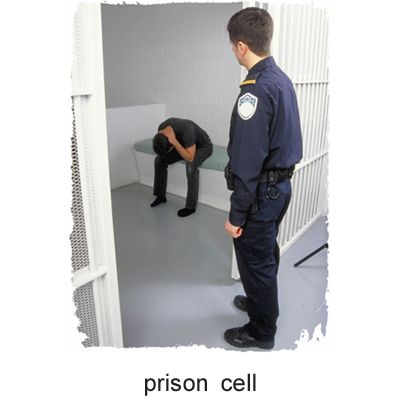 body the smallest part of a living thing that can exist independently生物体中能独立存在的最小组成部分la parte más pequeña de un ser vivo que puede existir de forma independientea menor parte de um ser vivo que pode existir de forma independente独立して存在できる生物の最小単位독립적으로 존재할 수 있는 생물의 가장 작은 단위blood/brain/nerve cell
 red blood cells红细胞glóbulos rojosglóbulos vermelhos赤血球적혈구 cancer cells癌细胞células cancerosascélulas cancerosasがん細胞암세포 Embryos grow by cell division (=the splitting of cells).胚胎通过细胞分裂(即细胞的分割)生长。Los embriones crecen mediante la división celular (=la separación de las células).Os embriões crescem por divisão celular (=a divisão das células).胚は細胞分裂(=細胞が分かれること)によって成長する。배아는 세포 분열(=세포의 분열)을 통해 성장한다.2prison a small room in a prison or police station where prisoners are kept监狱或警察局中关押囚犯的小房间habitación pequeña en una cárcel o comisaría donde se retiene a los presospequena sala em uma prisão ou delegacia onde os presos são mantidos刑務所や警察署で囚人を収容する小部屋교도소나 경찰서에서 죄수를 가두는 작은 방: He spent a night in the cells at the local police station.他在当地警察局的拘留室里度过了一夜。Pasó una noche en los calabozos de la comisaría local.Ele passou uma noite nas celas da delegacia local.彼は地元の警察署の留置場で一夜を過ごした。그는 지역 경찰서 유치장에서 하룻밤을 보냈다. the walls of his prison cell他牢房的四壁las paredes de su celda de la prisiónas paredes de sua cela na prisão彼の独房の壁그의 감방 벽► see thesaurus at prison3phone American English a cellular phone; a telephone that you can carry around with you, that works by using a network of radio stations to pass on signals手机;可随身携带的电话,通过无线电基站网络传递信号teléfono celular; teléfono que se puede llevar consigo, que funciona mediante una red de estaciones de radio para transmitir señalescelular; telefone portátil que funciona por meio de uma rede de estações de rádio para transmitir sinais携帯電話;持ち歩くことができる電話で、無線基地局のネットワークを通じて信号を伝える휴대전화; 들고 다닐 수 있는 전화기로, 무선 기지국 네트워크를 이용해 신호를 전달한다 SYN mobile British English: Call me on my cell if you’re running late.如果你要迟到,打我手机。Llámame al celular si vas a llegar tarde.Me liga no celular se você estiver atrasado.遅れるようなら携帯に電話して。늦을 것 같으면 내 휴대폰으로 전화해.4electric a piece of equipment for producing electricity from chemicals, heat, or light利用化学物质、热能或光能发电的装置dispositivo que produce electricidad a partir de sustancias químicas, calor o luzdispositivo que produz eletricidade a partir de produtos químicos, calor ou luz化学物質・熱・光から電気を生み出す装置화학 물질, 열 또는 빛으로부터 전기를 생산하는 장치: a car powered by electric fuel cells以燃料电池为动力的汽车un automóvil impulsado por pilas de combustible eléctricasum carro movido a células de combustível elétrico電気燃料電池で動く車전기 연료 전지로 구동되는 자동차5secret group a small group of people who are working secretly as part of a larger political organization在较大政治组织内秘密活动的小团体pequeño grupo de personas que trabajan en secreto como parte de una organización política más ampliapequeno grupo de pessoas que trabalham secretamente como parte de uma organização política maiorより大きな政治組織の一部として秘密裏に活動する小集団더 큰 정치 조직의 일부로서 비밀리에 활동하는 소규모 집단: a terrorist cell恐怖主义小组una célula terroristauma célula terroristaテロリストの細胞組織테러 세포 조직6religious a small room in a monastery or convent where someone sleeps修道院中供人睡眠的小房间habitación pequeña en un monasterio o convento donde duerme alguienpequeno quarto em um mosteiro ou convento onde alguém dorme修道院で人が眠る小部屋수도원에서 사람이 잠을 자는 작은 방7insect/small animal a small space that an insect or other small creature has made to live in or use昆虫或其他小生物建造的供居住或使用的小空间pequeño espacio que un insecto u otra criatura pequeña ha construido para vivir o usarpequeno espaço construído por um inseto ou outra criatura pequena para habitar ou usar昆虫などの小さな生き物が住んだり使ったりするために作った小さな空間곤충이나 다른 작은 생물이 살거나 사용하기 위해 만든 작은 공간: the cells of a honeycomb蜂巢的巢室las celdas de un panalas células de um favo de melハニカムの巣房벌집의 방COLLOCATIONS词语搭配COLOCACIONESCOLOCAÇÕESコロケーション연어ADJECTIVES/NOUN + cell形容词/名词 + cellADJETIVOS/SUSTANTIVO + cellADJETIVOS/SUBSTANTIVO + cell形容詞/名詞 + cell형용사/명사 + cella blood/nerve/brain/muscle etc cell· No new brain cells are produced after birth.· 出生后不再产生新的脑细胞。· No se producen nuevas células cerebrales después del nacimiento.· Nenhuma nova célula cerebral é produzida após o nascimento.· 出生後、新たな脳細胞は作られない。· 출생 후에는 새로운 뇌세포가 생성되지 않는다.a human/animal/plant cell· the structure of plant cells· 植物细胞的结构· la estructura de las células vegetales· a estrutura das células vegetais· 植物細胞の構造· 식물 세포의 구조a red cell (=the most common type of blood cell)· The red cells carry the oxygen.· 红细胞负责携带氧气。· Los glóbulos rojos transportan el oxígeno.· Os glóbulos vermelhos transportam o oxigênio.· 赤血球が酸素を運ぶ。· 적혈구가 산소를 운반한다.a white cell (=a type of blood cell that defends your body against disease)· In leukaemia there is an abnormal and excessive formation of white cells.· 白血病患者体内白细胞的形成出现异常且过量。· En la leucemia se produce una formación anormal y excesiva de glóbulos blancos.· Na leucemia, há uma formação anormal e excessiva de glóbulos brancos.· 白血病では、白血球が異常かつ過剰に形成される。· 백혈병에서는 백혈구가 비정상적으로 과도하게 형성된다.a living/dead cell· Every living cell has a nucleus.· 每个活细胞都有细胞核。· Toda célula viva tiene un núcleo.· Toda célula viva possui um núcleo.· すべての生きた細胞には核がある。· 살아 있는 모든 세포에는 핵이 있다.normal/abnormal· The test enables doctors to detect abnormal cells.· 该检测使医生能够发现异常细胞。· La prueba permite a los médicos detectar células anormales.· O exame permite que os médicos detectem células anormais.· この検査によって、医師は異常な細胞を検出できる。· 이 검사를 통해 의사들은 비정상 세포를 발견할 수 있다.a stem cell (=one that divides and repairs the body, and may be used in medical treatment)· Stem cells may make life-saving treatment possible.· 干细胞可能使救命治疗成为可能。· Las células madre podrían hacer posibles tratamientos que salven vidas.· As células-tronco podem tornar possíveis tratamentos que salvam vidas.· 幹細胞によって、命を救う治療が可能になるかもしれない。· 줄기세포는 생명을 구하는 치료를 가능하게 할 수 있다.a cancer cell· Already there are many treatments which destroy cancer cells.· 目前已有许多能够消灭癌细胞的治疗方法。· Ya existen muchos tratamientos que destruyen las células cancerosas.· Já existem muitos tratamentos que destroem células cancerosas.· すでにがん細胞を破壊する多くの治療法が存在する。· 이미 암세포를 파괴하는 많은 치료법이 존재한다.verbs动词verbosverbos動詞동사a cell divides· White blood cells divide rapidly.· 白细胞迅速分裂。· Los glóbulos blancos se dividen rápidamente.· Os glóbulos brancos se dividem rapidamente.· 白血球は急速に分裂する。· 백혈구는 빠르게 분열한다.cell + NOUNcell + 名词cell + SUSTANTIVOcell + SUBSTANTIVOcell + 名詞cell + 명사cell division· The embryo grows by cell division.· 胚胎通过细胞分裂生长。· El embrión crece mediante la división celular.· O embrião cresce por divisão celular.· 胚は細胞分裂によって成長する。· 배아는 세포 분열을 통해 성장한다.a cell count (=the number of cells in a particular amount of blood)· A healthy person' s red cell count is close to 1, 000.· 健康人的红细胞计数接近1,000。· El recuento de glóbulos rojos de una persona sana es cercano a 1.000.· A contagem de glóbulos vermelhos de uma pessoa saudável é próxima de 1.000.· 健康な人の赤血球数は1,000に近い。· 건강한 사람의 적혈구 수는 1,000에 가깝다.
1body the smallest part of a living thing that can exist independently生物体中能独立存在的最小组成部分la parte más pequeña de un ser vivo que puede existir de forma independientea menor parte de um ser vivo que pode existir de forma independente独立して存在できる生物の最小単位독립적으로 존재할 수 있는 생물의 가장 작은 단위blood/brain/nerve cell red blood cells红细胞glóbulos rojosglóbulos vermelhos赤血球적혈구 cancer cells癌细胞células cancerosascélulas cancerosasがん細胞암세포 Embryos grow by cell division (=the splitting of cells).胚胎通过细胞分裂(即细胞的分割)生长。Los embriones crecen mediante la división celular (=la separación de las células).Os embriões crescem por divisão celular (=a divisão das células).胚は細胞分裂(=細胞が分かれること)によって成長する。배아는 세포 분열(=세포의 분열)을 통해 성장한다.2prison a small room in a prison or police station where prisoners are kept监狱或警察局中关押囚犯的小房间habitación pequeña en una cárcel o comisaría donde se retiene a los presospequena sala em uma prisão ou delegacia onde os presos são mantidos刑務所や警察署で囚人を収容する小部屋교도소나 경찰서에서 죄수를 가두는 작은 방: He spent a night in the cells at the local police station.他在当地警察局的拘留室里度过了一夜。Pasó una noche en los calabozos de la comisaría local.Ele passou uma noite nas celas da delegacia local.彼は地元の警察署の留置場で一夜を過ごした。그는 지역 경찰서 유치장에서 하룻밤을 보냈다. the walls of his prison cell他牢房的四壁las paredes de su celda de la prisiónas paredes de sua cela na prisão彼の独房の壁그의 감방 벽► see thesaurus at prison3phone American English a cellular phone; a telephone that you can carry around with you, that works by using a network of radio stations to pass on signals手机;可随身携带的电话,通过无线电基站网络传递信号teléfono celular; teléfono que se puede llevar consigo, que funciona mediante una red de estaciones de radio para transmitir señalescelular; telefone portátil que funciona por meio de uma rede de estações de rádio para transmitir sinais携帯電話;持ち歩くことができる電話で、無線基地局のネットワークを通じて信号を伝える휴대전화; 들고 다닐 수 있는 전화기로, 무선 기지국 네트워크를 이용해 신호를 전달한다 SYN mobile British English: Call me on my cell if you’re running late.如果你要迟到,打我手机。Llámame al celular si vas a llegar tarde.Me liga no celular se você estiver atrasado.遅れるようなら携帯に電話して。늦을 것 같으면 내 휴대폰으로 전화해.4electric a piece of equipment for producing electricity from chemicals, heat, or light利用化学物质、热能或光能发电的装置dispositivo que produce electricidad a partir de sustancias químicas, calor o luzdispositivo que produz eletricidade a partir de produtos químicos, calor ou luz化学物質・熱・光から電気を生み出す装置화학 물질, 열 또는 빛으로부터 전기를 생산하는 장치: a car powered by electric fuel cells以燃料电池为动力的汽车un automóvil impulsado por pilas de combustible eléctricasum carro movido a células de combustível elétrico電気燃料電池で動く車전기 연료 전지로 구동되는 자동차5secret group a small group of people who are working secretly as part of a larger political organization在较大政治组织内秘密活动的小团体pequeño grupo de personas que trabajan en secreto como parte de una organización política más ampliapequeno grupo de pessoas que trabalham secretamente como parte de uma organização política maiorより大きな政治組織の一部として秘密裏に活動する小集団더 큰 정치 조직의 일부로서 비밀리에 활동하는 소규모 집단: a terrorist cell恐怖主义小组una célula terroristauma célula terroristaテロリストの細胞組織테러 세포 조직6religious a small room in a monastery or convent where someone sleeps修道院中供人睡眠的小房间habitación pequeña en un monasterio o convento donde duerme alguienpequeno quarto em um mosteiro ou convento onde alguém dorme修道院で人が眠る小部屋수도원에서 사람이 잠을 자는 작은 방7insect/small animal a small space that an insect or other small creature has made to live in or use昆虫或其他小生物建造的供居住或使用的小空间pequeño espacio que un insecto u otra criatura pequeña ha construido para vivir o usarpequeno espaço construído por um inseto ou outra criatura pequena para habitar ou usar昆虫などの小さな生き物が住んだり使ったりするために作った小さな空間곤충이나 다른 작은 생물이 살거나 사용하기 위해 만든 작은 공간: the cells of a honeycomb蜂巢的巢室las celdas de un panalas células de um favo de melハニカムの巣房벌집의 방COLLOCATIONS词语搭配COLOCACIONESCOLOCAÇÕESコロケーション연어ADJECTIVES/NOUN + cell形容词/名词 + cellADJETIVOS/SUSTANTIVO + cellADJETIVOS/SUBSTANTIVO + cell形容詞/名詞 + cell형용사/명사 + cella blood/nerve/brain/muscle etc cell· No new brain cells are produced after birth.· 出生后不再产生新的脑细胞。· No se producen nuevas células cerebrales después del nacimiento.· Nenhuma nova célula cerebral é produzida após o nascimento.· 出生後、新たな脳細胞は作られない。· 출생 후에는 새로운 뇌세포가 생성되지 않는다.a human/animal/plant cell· the structure of plant cells· 植物细胞的结构· la estructura de las células vegetales· a estrutura das células vegetais· 植物細胞の構造· 식물 세포의 구조a red cell (=the most common type of blood cell)· The red cells carry the oxygen.· 红细胞负责携带氧气。· Los glóbulos rojos transportan el oxígeno.· Os glóbulos vermelhos transportam o oxigênio.· 赤血球が酸素を運ぶ。· 적혈구가 산소를 운반한다.a white cell (=a type of blood cell that defends your body against disease)· In leukaemia there is an abnormal and excessive formation of white cells.· 白血病患者体内白细胞的形成出现异常且过量。· En la leucemia se produce una formación anormal y excesiva de glóbulos blancos.· Na leucemia, há uma formação anormal e excessiva de glóbulos brancos.· 白血病では、白血球が異常かつ過剰に形成される。· 백혈병에서는 백혈구가 비정상적으로 과도하게 형성된다.a living/dead cell· Every living cell has a nucleus.· 每个活细胞都有细胞核。· Toda célula viva tiene un núcleo.· Toda célula viva possui um núcleo.· すべての生きた細胞には核がある。· 살아 있는 모든 세포에는 핵이 있다.normal/abnormal· The test enables doctors to detect abnormal cells.· 该检测使医生能够发现异常细胞。· La prueba permite a los médicos detectar células anormales.· O exame permite que os médicos detectem células anormais.· この検査によって、医師は異常な細胞を検出できる。· 이 검사를 통해 의사들은 비정상 세포를 발견할 수 있다.a stem cell (=one that divides and repairs the body, and may be used in medical treatment)· Stem cells may make life-saving treatment possible.· 干细胞可能使救命治疗成为可能。· Las células madre podrían hacer posibles tratamientos que salven vidas.· As células-tronco podem tornar possíveis tratamentos que salvam vidas.· 幹細胞によって、命を救う治療が可能になるかもしれない。· 줄기세포는 생명을 구하는 치료를 가능하게 할 수 있다.a cancer cell· Already there are many treatments which destroy cancer cells.· 目前已有许多能够消灭癌细胞的治疗方法。· Ya existen muchos tratamientos que destruyen las células cancerosas.· Já existem muitos tratamentos que destroem células cancerosas.· すでにがん細胞を破壊する多くの治療法が存在する。· 이미 암세포를 파괴하는 많은 치료법이 존재한다.verbs动词verbosverbos動詞동사a cell divides· White blood cells divide rapidly.· 白细胞迅速分裂。· Los glóbulos blancos se dividen rápidamente.· Os glóbulos brancos se dividem rapidamente.· 白血球は急速に分裂する。· 백혈구는 빠르게 분열한다.cell + NOUNcell + 名词cell + SUSTANTIVOcell + SUBSTANTIVOcell + 名詞cell + 명사cell division· The embryo grows by cell division.· 胚胎通过细胞分裂生长。· El embrión crece mediante la división celular.· O embrião cresce por divisão celular.· 胚は細胞分裂によって成長する。· 배아는 세포 분열을 통해 성장한다.a cell count (=the number of cells in a particular amount of blood)· A healthy person' s red cell count is close to 1, 000.· 健康人的红细胞计数接近1,000。· El recuento de glóbulos rojos de una persona sana es cercano a 1.000.· A contagem de glóbulos vermelhos de uma pessoa saudável é próxima de 1.000.· 健康な人の赤血球数は1,000に近い。· 건강한 사람의 적혈구 수는 1,000에 가깝다.