
Significado de child en inglés
childchild /tʃaɪld/ noun (plural children /ˈtʃɪldrən/) [countable] 
 Ver todas las traducciones1
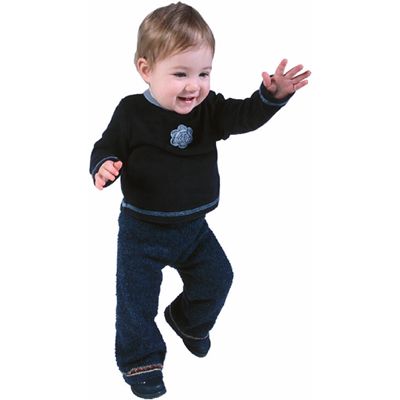 young person someone who is not yet an adultpersona que aún no es adulta SYN kid:
  The hotel is ideal for families with young children.El hotel es ideal para familias con niños pequeños. The film is not suitable for children under 12.La película no es apta para menores de 12 años. I was very happy as a child (=when I was a child).Era muy feliz de niño (=cuando era niño).a child of five/eight etc For a child of five this was a terrifying experience.Para un niño de cinco años, aquella fue una experiencia aterradora. a famous writer of children’s booksun famoso escritor de libros infantiles child victims of warniños víctimas de la guerra2son/daughter a son or daughter of any agehijo o hija de cualquier edad: I have five children, all happily married.Tengo cinco hijos, todos felizmente casados. She lives with her husband, Paul, and three grown-up children.Vive con su marido, Paul, y sus tres hijos mayores. Annie had always wanted to get married and have children.Annie siempre había querido casarse y tener hijos. Alex is an only child (=he has no brothers or sisters).Alex es hijo único (=no tiene hermanos ni hermanas). Our youngest child, Sam, has just started university.Nuestro hijo menor, Sam, acaba de empezar la universidad.eldest child especially BrE, oldest child especially American English the decision to bring a child into the world (=have a baby)la decisión de traer un hijo al mundo (=tener un bebé)3somebody influenced by an idea someone who is very strongly influenced by the ideas and attitudes of a particular period of historypersona muy influida por las ideas y actitudes de un período histórico determinadochild of a real child of the sixtiesun auténtico hijo de los años sesenta4somebody who is like a child someone who behaves like a child and is not sensible or responsible – used to show disapprovalpersona que se comporta como un niño y carece de sensatez o responsabilidad — expresa desaprobación: She’s such a child!¡Es tan niña!5something is child’s play used to say that something is very easy to dose usa para indicar que algo es muy fácil de hacer: I’ve cooked for 200 people before now. So, tonight is child’s play by comparison.He cocinado para 200 personas antes. Así que esta noche es un juego de niños en comparación.6children should be seen and not heard an expression meaning that children should be quiet and not talk – used when you disapprove of the way a child is behavingexpresión que indica que los niños deben guardar silencio y no hablar — se usa cuando se desaprueba el comportamiento de un niño7be with child old useuso antiguo to be pregnantestar embarazada8be heavy/great with child old useuso antiguo to be nearly ready to give birthestar a punto de dar a luzCOLLOCATIONSCOLOCACIONESADJECTIVES/NOUN + childADJETIVOS/SUSTANTIVO + childa four-year-old/ten-year-old etc child· A four-year-old child should not be left on their own.· Un niño de cuatro años no debería quedarse solo.a young child· Young children are naturally curious about the world.· Los niños pequeños son naturalmente curiosos sobre el mundo.a small child (=a young one)· My family lived in France when I was a small child.· Mi familia vivía en Francia cuando yo era pequeño.a newborn child· He was holding the newborn child in his arms.· Sostenía al recién nacido en sus brazos.an unborn child (=a baby that is still inside its mother)· Smoking can damage your unborn child.· Fumar puede dañar a tu hijo por nacer.a spoilt/spoiled child (=allowed to do or have whatever he or she wants, and behaving badly)· He’s behaving like a spoilt child.· Se está comportando como un niño mimado.a gifted child (=extremely intelligent)· a special school for gifted children· una escuela especial para niños superdotadosa bright child (=intelligent)· He was a bright child – always asking questions.· Era un niño listo, siempre haciendo preguntas.a good/bad child· Be a good child and sit down!· ¡Sé bueno y siéntate!a naughty child (=doing things that are not allowed)· He's behaving like a naughty child.· Se está comportando como un niño travieso.an easy/difficult child (=easy or difficult to deal with)· Marcus was a very happy, easy child.· Marcus era un niño muy feliz y fácil de criar.a problem child (=very difficult to deal with)· Problem children may need to be removed from the classroom.· Los niños con problemas de conducta pueden necesitar ser retirados del aula.an adopted child (=legally made part of a family that he or she was not born into)· I didn’t find out that I was an adopted child until years later.· No supe que era un niño adoptado hasta años después.street children (=living on the streets because they have no homes)· The organization aims to help street children in Latin America.· La organización tiene como objetivo ayudar a los niños de la calle en América Latina.verbsverbosbring up a child especially British English, raise a child especially American English· The cost of bringing up a child has risen rapidly.· El coste de criar a un hijo ha aumentado rápidamente.a child is born· Most children at born in hospital.· La mayoría de los niños nacen en el hospital.a child grows up· One in four children is growing up in poverty.· Uno de cada cuatro niños crece en la pobreza.child + NOUNchild + SUSTANTIVOchild abuse (=treating children in a very bad way, especially sexually)· He was arrested on suspicion of child abuse.· Fue arrestado bajo sospecha de maltrato infantil.child development· She’s an expert in child development.· Es una experta en desarrollo infantil.child labour British English, child labor American English (=the use of children as workers)· The garments were made using child labour.· Las prendas fueron fabricadas con trabajo infantil.THESAURUSSINÓNIMOSchild someone who is not yet an adult. You don’t usually use child to talk about babies or teenagerspersona que aún no es adulta. Por lo general, no se usa child para hablar de bebés o adolescentes: · Many children are scared of the dark.· A muchos niños les da miedo la oscuridad.· He’s just a child.· No es más que un niño.kid informalinformal a child. Kid is the usual word to use in everyday spoken Englishniño. Kid es la palabra habitual en el inglés hablado cotidiano: · We left the kids in the car.· Dejamos a los niños en el coche.little boy/little girl a young male or female childniño o niña pequeño: · I lived there when I was a little girl.· Viví allí cuando era una niña pequeña.· Little boys love dinosaurs.· A los niños pequeños les encantan los dinosaurios.teenager someone between the ages of 13 and 19persona de entre 13 y 19 años: · There’s not much for teenagers to do around here.· Por aquí no hay mucho que hacer para los adolescentes.adolescent a young person who is developing into an adult – used especially when talking about the problems these people havejoven que está desarrollándose hacia la edad adulta — se usa especialmente al hablar de los problemas que tienen estas personas: · He changed from a cheerful child to a confused adolescent.· Se transformó de un niño alegre en un adolescente confundido.youth especially disapprovingespecialmente reprobatorio a teenage boy – especially one who is violent and commits crimeschico adolescente — especialmente uno que es violento y comete delitos: · He was attacked by a gang of youths.· Fue atacado por una pandilla de jóvenes.· a youth court· un tribunal de menoresyoungster a child or young person – used especially by old peopleniño o joven — usado especialmente por personas mayores: · You youngsters have got your whole life ahead of you.· Vosotros, los jóvenes, tenéis toda la vida por delante.· He’s a bright youngster with a good sense of humour.· Es un joven listo con buen sentido del humor.minor lawderecho someone who is not yet legally an adultpersona que aún no es legalmente adulta: · It is illegal to sell alcohol to a minor.· Es ilegal vender alcohol a un menor.
Ver todas las traducciones1young person someone who is not yet an adultpersona que aún no es adulta SYN kid: The hotel is ideal for families with young children.El hotel es ideal para familias con niños pequeños. The film is not suitable for children under 12.La película no es apta para menores de 12 años. I was very happy as a child (=when I was a child).Era muy feliz de niño (=cuando era niño).a child of five/eight etc For a child of five this was a terrifying experience.Para un niño de cinco años, aquella fue una experiencia aterradora. a famous writer of children’s booksun famoso escritor de libros infantiles child victims of warniños víctimas de la guerra2son/daughter a son or daughter of any agehijo o hija de cualquier edad: I have five children, all happily married.Tengo cinco hijos, todos felizmente casados. She lives with her husband, Paul, and three grown-up children.Vive con su marido, Paul, y sus tres hijos mayores. Annie had always wanted to get married and have children.Annie siempre había querido casarse y tener hijos. Alex is an only child (=he has no brothers or sisters).Alex es hijo único (=no tiene hermanos ni hermanas). Our youngest child, Sam, has just started university.Nuestro hijo menor, Sam, acaba de empezar la universidad.eldest child especially BrE, oldest child especially American English the decision to bring a child into the world (=have a baby)la decisión de traer un hijo al mundo (=tener un bebé)3somebody influenced by an idea someone who is very strongly influenced by the ideas and attitudes of a particular period of historypersona muy influida por las ideas y actitudes de un período histórico determinadochild of a real child of the sixtiesun auténtico hijo de los años sesenta4somebody who is like a child someone who behaves like a child and is not sensible or responsible – used to show disapprovalpersona que se comporta como un niño y carece de sensatez o responsabilidad — expresa desaprobación: She’s such a child!¡Es tan niña!5something is child’s play used to say that something is very easy to dose usa para indicar que algo es muy fácil de hacer: I’ve cooked for 200 people before now. So, tonight is child’s play by comparison.He cocinado para 200 personas antes. Así que esta noche es un juego de niños en comparación.6children should be seen and not heard an expression meaning that children should be quiet and not talk – used when you disapprove of the way a child is behavingexpresión que indica que los niños deben guardar silencio y no hablar — se usa cuando se desaprueba el comportamiento de un niño7be with child old useuso antiguo to be pregnantestar embarazada8be heavy/great with child old useuso antiguo to be nearly ready to give birthestar a punto de dar a luzCOLLOCATIONSCOLOCACIONESADJECTIVES/NOUN + childADJETIVOS/SUSTANTIVO + childa four-year-old/ten-year-old etc child· A four-year-old child should not be left on their own.· Un niño de cuatro años no debería quedarse solo.a young child· Young children are naturally curious about the world.· Los niños pequeños son naturalmente curiosos sobre el mundo.a small child (=a young one)· My family lived in France when I was a small child.· Mi familia vivía en Francia cuando yo era pequeño.a newborn child· He was holding the newborn child in his arms.· Sostenía al recién nacido en sus brazos.an unborn child (=a baby that is still inside its mother)· Smoking can damage your unborn child.· Fumar puede dañar a tu hijo por nacer.a spoilt/spoiled child (=allowed to do or have whatever he or she wants, and behaving badly)· He’s behaving like a spoilt child.· Se está comportando como un niño mimado.a gifted child (=extremely intelligent)· a special school for gifted children· una escuela especial para niños superdotadosa bright child (=intelligent)· He was a bright child – always asking questions.· Era un niño listo, siempre haciendo preguntas.a good/bad child· Be a good child and sit down!· ¡Sé bueno y siéntate!a naughty child (=doing things that are not allowed)· He's behaving like a naughty child.· Se está comportando como un niño travieso.an easy/difficult child (=easy or difficult to deal with)· Marcus was a very happy, easy child.· Marcus era un niño muy feliz y fácil de criar.a problem child (=very difficult to deal with)· Problem children may need to be removed from the classroom.· Los niños con problemas de conducta pueden necesitar ser retirados del aula.an adopted child (=legally made part of a family that he or she was not born into)· I didn’t find out that I was an adopted child until years later.· No supe que era un niño adoptado hasta años después.street children (=living on the streets because they have no homes)· The organization aims to help street children in Latin America.· La organización tiene como objetivo ayudar a los niños de la calle en América Latina.verbsverbosbring up a child especially British English, raise a child especially American English· The cost of bringing up a child has risen rapidly.· El coste de criar a un hijo ha aumentado rápidamente.a child is born· Most children at born in hospital.· La mayoría de los niños nacen en el hospital.a child grows up· One in four children is growing up in poverty.· Uno de cada cuatro niños crece en la pobreza.child + NOUNchild + SUSTANTIVOchild abuse (=treating children in a very bad way, especially sexually)· He was arrested on suspicion of child abuse.· Fue arrestado bajo sospecha de maltrato infantil.child development· She’s an expert in child development.· Es una experta en desarrollo infantil.child labour British English, child labor American English (=the use of children as workers)· The garments were made using child labour.· Las prendas fueron fabricadas con trabajo infantil.THESAURUSSINÓNIMOSchild someone who is not yet an adult. You don’t usually use child to talk about babies or teenagerspersona que aún no es adulta. Por lo general, no se usa child para hablar de bebés o adolescentes: · Many children are scared of the dark.· A muchos niños les da miedo la oscuridad.· He’s just a child.· No es más que un niño.kid informalinformal a child. Kid is the usual word to use in everyday spoken Englishniño. Kid es la palabra habitual en el inglés hablado cotidiano: · We left the kids in the car.· Dejamos a los niños en el coche.little boy/little girl a young male or female childniño o niña pequeño: · I lived there when I was a little girl.· Viví allí cuando era una niña pequeña.· Little boys love dinosaurs.· A los niños pequeños les encantan los dinosaurios.teenager someone between the ages of 13 and 19persona de entre 13 y 19 años: · There’s not much for teenagers to do around here.· Por aquí no hay mucho que hacer para los adolescentes.adolescent a young person who is developing into an adult – used especially when talking about the problems these people havejoven que está desarrollándose hacia la edad adulta — se usa especialmente al hablar de los problemas que tienen estas personas: · He changed from a cheerful child to a confused adolescent.· Se transformó de un niño alegre en un adolescente confundido.youth especially disapprovingespecialmente reprobatorio a teenage boy – especially one who is violent and commits crimeschico adolescente — especialmente uno que es violento y comete delitos: · He was attacked by a gang of youths.· Fue atacado por una pandilla de jóvenes.· a youth court· un tribunal de menoresyoungster a child or young person – used especially by old peopleniño o joven — usado especialmente por personas mayores: · You youngsters have got your whole life ahead of you.· Vosotros, los jóvenes, tenéis toda la vida por delante.· He’s a bright youngster with a good sense of humour.· Es un joven listo con buen sentido del humor.minor lawderecho someone who is not yet legally an adultpersona que aún no es legalmente adulta: · It is illegal to sell alcohol to a minor.· Es ilegal vender alcohol a un menor.