
child の英語での意味
childchild /tʃaɪld/ noun (plural children /ˈtʃɪldrən/) [countable] 
 すべての翻訳を見る1
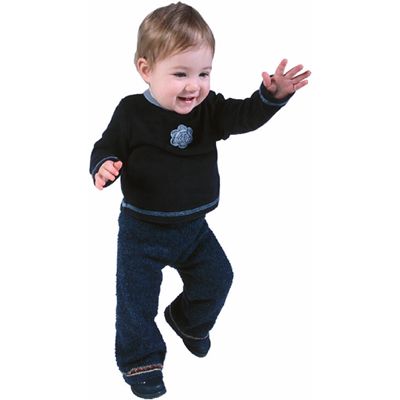 young person someone who is not yet an adultまだ大人になっていない人 SYN kid:
  The hotel is ideal for families with young children.そのホテルは小さなお子さんのいるご家族に最適です。 The film is not suitable for children under 12.この映画は12歳未満の子どもには適していません。 I was very happy as a child (=when I was a child).子どもの頃、私はとても幸せでした(=子どもだったとき)。a child of five/eight etc For a child of five this was a terrifying experience.5歳の子どもにとって、これは恐ろしい体験でした。 a famous writer of children’s books有名な児童書の作家 child victims of war戦争による子どもの犠牲者2son/daughter a son or daughter of any age年齢を問わず、息子または娘: I have five children, all happily married.私には子どもが5人いて、みんな幸せに結婚しています。 She lives with her husband, Paul, and three grown-up children.彼女は夫のポールと、成長した3人の子どもたちと暮らしています。 Annie had always wanted to get married and have children.アニーはずっと結婚して子どもを持つことを望んでいました。 Alex is an only child (=he has no brothers or sisters).アレックスは一人っ子です(=兄弟姉妹がいない)。 Our youngest child, Sam, has just started university.私たちの末っ子のサムは、ちょうど大学に入ったばかりです。eldest child especially BrE, oldest child especially American English the decision to bring a child into the world (=have a baby)子どもをこの世に生む決断(=赤ちゃんを持つこと)3somebody influenced by an idea someone who is very strongly influenced by the ideas and attitudes of a particular period of history特定の歴史的時代の思想や価値観に強く影響を受けた人child of a real child of the sixties真の60年代の申し子4somebody who is like a child someone who behaves like a child and is not sensible or responsible – used to show disapproval子どもっぽい振る舞いをして、分別や責任感のない人——不満・非難を表すときに使う: She’s such a child!彼女ってほんとに子どもね!5something is child’s play used to say that something is very easy to do何かがとても簡単にできることを言うときに使う: I’ve cooked for 200 people before now. So, tonight is child’s play by comparison.以前、200人分の料理を作ったことがある。だから今夜は比べるまでもなく朝飯前だ。6children should be seen and not heard an expression meaning that children should be quiet and not talk – used when you disapprove of the way a child is behaving子どもは静かにして話すべきではないという意味の表現——子どもの振る舞いに不満を示すときに使う7be with child old use古い用法 to be pregnant妊娠している8be heavy/great with child old use古い用法 to be nearly ready to give birthもうすぐ出産しそうであるCOLLOCATIONSコロケーションADJECTIVES/NOUN + child形容詞/名詞+childa four-year-old/ten-year-old etc child· A four-year-old child should not be left on their own.· 4歳の子どもを一人にしてはいけない。a young child· Young children are naturally curious about the world.· 小さな子どもは生まれつき世界に好奇心を持っています。a small child (=a young one)· My family lived in France when I was a small child.· 私が幼い頃、家族はフランスに住んでいました。a newborn child· He was holding the newborn child in his arms.· 彼は腕の中に生まれたばかりの赤ちゃんを抱いていた。an unborn child (=a baby that is still inside its mother)· Smoking can damage your unborn child.· 喫煙はお腹の赤ちゃんに害を与えることがあります。a spoilt/spoiled child (=allowed to do or have whatever he or she wants, and behaving badly)· He’s behaving like a spoilt child.· 彼は甘やかされた子どものように振る舞っている。a gifted child (=extremely intelligent)· a special school for gifted children· 才能のある子どもたちのための特別学校a bright child (=intelligent)· He was a bright child – always asking questions.· 彼は賢い子どもで、いつも質問ばかりしていた。a good/bad child· Be a good child and sit down!· いい子にして、座りなさい!a naughty child (=doing things that are not allowed)· He's behaving like a naughty child.· 彼はいたずらっ子のように振る舞っている。an easy/difficult child (=easy or difficult to deal with)· Marcus was a very happy, easy child.· マーカスはとても明るく、育てやすい子でした。a problem child (=very difficult to deal with)· Problem children may need to be removed from the classroom.· 問題を抱えた子どもは教室から引き離す必要がある場合もある。an adopted child (=legally made part of a family that he or she was not born into)· I didn’t find out that I was an adopted child until years later.· 私が養子だと知ったのは、何年も後のことだった。street children (=living on the streets because they have no homes)· The organization aims to help street children in Latin America.· その組織はラテンアメリカのストリートチルドレンを支援することを目的としています。verbs動詞bring up a child especially British English, raise a child especially American English· The cost of bringing up a child has risen rapidly.· 子どもを育てるコストが急激に上がっている。a child is born· Most children at born in hospital.· ほとんどの子どもは病院で生まれます。a child grows up· One in four children is growing up in poverty.· 4人に1人の子どもが貧困の中で育っています。child + NOUNchild+名詞child abuse (=treating children in a very bad way, especially sexually)· He was arrested on suspicion of child abuse.· 彼は児童虐待の疑いで逮捕された。child development· She’s an expert in child development.· 彼女は児童発達の専門家です。child labour British English, child labor American English (=the use of children as workers)· The garments were made using child labour.· その衣類は児童労働を使って作られた。THESAURUS類義語child someone who is not yet an adult. You don’t usually use child to talk about babies or teenagersまだ大人になっていない人。child は通常、赤ちゃんや10代の若者を指すのには使わない: · Many children are scared of the dark.· 多くの子どもは暗闇を怖がります。· He’s just a child.· 彼はただの子どもです。kid informalインフォーマル a child. Kid is the usual word to use in everyday spoken English子ども。kid は日常の英語会話で最もよく使われる語: · We left the kids in the car.· 私たちは子どもたちを車に残しておいた。little boy/little girl a young male or female child幼い男の子または女の子: · I lived there when I was a little girl.· 私は小さな女の子の頃、そこに住んでいました。· Little boys love dinosaurs.· 小さな男の子はみんな恐竜が大好きです。teenager someone between the ages of 13 and 1913歳から19歳までの人: · There’s not much for teenagers to do around here.· この辺りには10代の若者がすることがあまりない。adolescent a young person who is developing into an adult – used especially when talking about the problems these people have大人へと成長しつつある若者——特にこうした人たちの抱える問題を話すときに使う: · He changed from a cheerful child to a confused adolescent.· 彼は明るい子どもから、戸惑いを抱えた青少年へと変わっていった。youth especially disapproving特に否定的な意味で a teenage boy – especially one who is violent and commits crimes10代の男子——特に暴力的で犯罪を犯す者: · He was attacked by a gang of youths.· 彼は若者の一団に襲われた。· a youth court· 少年法廷youngster a child or young person – used especially by old people子どもや若者——特に年配の人が使う: · You youngsters have got your whole life ahead of you.· 君たち若者にはまだこれからの人生がすべて残っているじゃないか。· He’s a bright youngster with a good sense of humour.· 彼はユーモアのセンスが豊かな、賢い若者です。minor law法律 someone who is not yet legally an adult法律上まだ成人していない人: · It is illegal to sell alcohol to a minor.· 未成年者にアルコールを販売することは違法です。
すべての翻訳を見る1young person someone who is not yet an adultまだ大人になっていない人 SYN kid: The hotel is ideal for families with young children.そのホテルは小さなお子さんのいるご家族に最適です。 The film is not suitable for children under 12.この映画は12歳未満の子どもには適していません。 I was very happy as a child (=when I was a child).子どもの頃、私はとても幸せでした(=子どもだったとき)。a child of five/eight etc For a child of five this was a terrifying experience.5歳の子どもにとって、これは恐ろしい体験でした。 a famous writer of children’s books有名な児童書の作家 child victims of war戦争による子どもの犠牲者2son/daughter a son or daughter of any age年齢を問わず、息子または娘: I have five children, all happily married.私には子どもが5人いて、みんな幸せに結婚しています。 She lives with her husband, Paul, and three grown-up children.彼女は夫のポールと、成長した3人の子どもたちと暮らしています。 Annie had always wanted to get married and have children.アニーはずっと結婚して子どもを持つことを望んでいました。 Alex is an only child (=he has no brothers or sisters).アレックスは一人っ子です(=兄弟姉妹がいない)。 Our youngest child, Sam, has just started university.私たちの末っ子のサムは、ちょうど大学に入ったばかりです。eldest child especially BrE, oldest child especially American English the decision to bring a child into the world (=have a baby)子どもをこの世に生む決断(=赤ちゃんを持つこと)3somebody influenced by an idea someone who is very strongly influenced by the ideas and attitudes of a particular period of history特定の歴史的時代の思想や価値観に強く影響を受けた人child of a real child of the sixties真の60年代の申し子4somebody who is like a child someone who behaves like a child and is not sensible or responsible – used to show disapproval子どもっぽい振る舞いをして、分別や責任感のない人——不満・非難を表すときに使う: She’s such a child!彼女ってほんとに子どもね!5something is child’s play used to say that something is very easy to do何かがとても簡単にできることを言うときに使う: I’ve cooked for 200 people before now. So, tonight is child’s play by comparison.以前、200人分の料理を作ったことがある。だから今夜は比べるまでもなく朝飯前だ。6children should be seen and not heard an expression meaning that children should be quiet and not talk – used when you disapprove of the way a child is behaving子どもは静かにして話すべきではないという意味の表現——子どもの振る舞いに不満を示すときに使う7be with child old use古い用法 to be pregnant妊娠している8be heavy/great with child old use古い用法 to be nearly ready to give birthもうすぐ出産しそうであるCOLLOCATIONSコロケーションADJECTIVES/NOUN + child形容詞/名詞+childa four-year-old/ten-year-old etc child· A four-year-old child should not be left on their own.· 4歳の子どもを一人にしてはいけない。a young child· Young children are naturally curious about the world.· 小さな子どもは生まれつき世界に好奇心を持っています。a small child (=a young one)· My family lived in France when I was a small child.· 私が幼い頃、家族はフランスに住んでいました。a newborn child· He was holding the newborn child in his arms.· 彼は腕の中に生まれたばかりの赤ちゃんを抱いていた。an unborn child (=a baby that is still inside its mother)· Smoking can damage your unborn child.· 喫煙はお腹の赤ちゃんに害を与えることがあります。a spoilt/spoiled child (=allowed to do or have whatever he or she wants, and behaving badly)· He’s behaving like a spoilt child.· 彼は甘やかされた子どものように振る舞っている。a gifted child (=extremely intelligent)· a special school for gifted children· 才能のある子どもたちのための特別学校a bright child (=intelligent)· He was a bright child – always asking questions.· 彼は賢い子どもで、いつも質問ばかりしていた。a good/bad child· Be a good child and sit down!· いい子にして、座りなさい!a naughty child (=doing things that are not allowed)· He's behaving like a naughty child.· 彼はいたずらっ子のように振る舞っている。an easy/difficult child (=easy or difficult to deal with)· Marcus was a very happy, easy child.· マーカスはとても明るく、育てやすい子でした。a problem child (=very difficult to deal with)· Problem children may need to be removed from the classroom.· 問題を抱えた子どもは教室から引き離す必要がある場合もある。an adopted child (=legally made part of a family that he or she was not born into)· I didn’t find out that I was an adopted child until years later.· 私が養子だと知ったのは、何年も後のことだった。street children (=living on the streets because they have no homes)· The organization aims to help street children in Latin America.· その組織はラテンアメリカのストリートチルドレンを支援することを目的としています。verbs動詞bring up a child especially British English, raise a child especially American English· The cost of bringing up a child has risen rapidly.· 子どもを育てるコストが急激に上がっている。a child is born· Most children at born in hospital.· ほとんどの子どもは病院で生まれます。a child grows up· One in four children is growing up in poverty.· 4人に1人の子どもが貧困の中で育っています。child + NOUNchild+名詞child abuse (=treating children in a very bad way, especially sexually)· He was arrested on suspicion of child abuse.· 彼は児童虐待の疑いで逮捕された。child development· She’s an expert in child development.· 彼女は児童発達の専門家です。child labour British English, child labor American English (=the use of children as workers)· The garments were made using child labour.· その衣類は児童労働を使って作られた。THESAURUS類義語child someone who is not yet an adult. You don’t usually use child to talk about babies or teenagersまだ大人になっていない人。child は通常、赤ちゃんや10代の若者を指すのには使わない: · Many children are scared of the dark.· 多くの子どもは暗闇を怖がります。· He’s just a child.· 彼はただの子どもです。kid informalインフォーマル a child. Kid is the usual word to use in everyday spoken English子ども。kid は日常の英語会話で最もよく使われる語: · We left the kids in the car.· 私たちは子どもたちを車に残しておいた。little boy/little girl a young male or female child幼い男の子または女の子: · I lived there when I was a little girl.· 私は小さな女の子の頃、そこに住んでいました。· Little boys love dinosaurs.· 小さな男の子はみんな恐竜が大好きです。teenager someone between the ages of 13 and 1913歳から19歳までの人: · There’s not much for teenagers to do around here.· この辺りには10代の若者がすることがあまりない。adolescent a young person who is developing into an adult – used especially when talking about the problems these people have大人へと成長しつつある若者——特にこうした人たちの抱える問題を話すときに使う: · He changed from a cheerful child to a confused adolescent.· 彼は明るい子どもから、戸惑いを抱えた青少年へと変わっていった。youth especially disapproving特に否定的な意味で a teenage boy – especially one who is violent and commits crimes10代の男子——特に暴力的で犯罪を犯す者: · He was attacked by a gang of youths.· 彼は若者の一団に襲われた。· a youth court· 少年法廷youngster a child or young person – used especially by old people子どもや若者——特に年配の人が使う: · You youngsters have got your whole life ahead of you.· 君たち若者にはまだこれからの人生がすべて残っているじゃないか。· He’s a bright youngster with a good sense of humour.· 彼はユーモアのセンスが豊かな、賢い若者です。minor law法律 someone who is not yet legally an adult法律上まだ成人していない人: · It is illegal to sell alcohol to a minor.· 未成年者にアルコールを販売することは違法です。