
spring の英語での意味
springspring1 /sprɪŋ/ noun 
 すべての翻訳を見る1
 season [countable, uncountable] the season between winter and summer when leaves and flowers appear冬と夏の間の、葉や花が現れる季節;春spring of
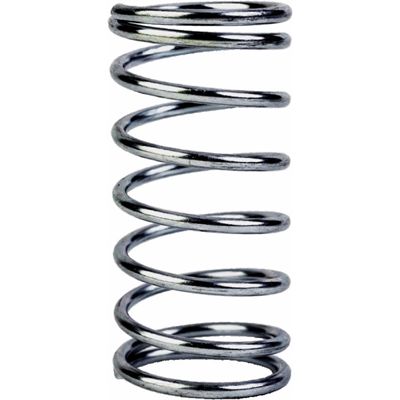
 the spring of 19331933年の春in/during the spring It’s due to open in the spring.春に開く予定だ。late/early spring It was a cold, sunny day in early spring.春の初めの、寒くて晴れた日だった。 spring flowers春の花2curved metal a)[countable usually plural] something, usually a twisted piece of metal, that will return to its previous shape after it has been pressed downばね;通常はねじれた金属片で、押し下げられた後に元の形に戻るもの: an old armchair with broken springsばねが壊れた古い肘掛け椅子 b)[uncountable] the ability of a chair, bed etc to return to its normal shape after being pressed down椅子やベッドなどが押された後に元の形に戻る弾力性3water [countable] a place where water comes up naturally from the ground泉;水が地面から自然に湧き出る場所: spring water湧き水;泉の水 There are several hot springs in the area.その地域にはいくつかの温泉がある。4spring in your step if you walk with a spring in your step, you move quickly and happilywalk with a spring in your step とは、軽快で楽しそうに歩くことを意味する: As he walked into the office that morning, there was a spring in his step.その朝、彼がオフィスに入ってきたとき、足取りが軽やかだった。5full of the joys of spring happy and full of energy – used humorously楽しく元気いっぱいで — ユーモラスに使われる6sudden jump [singular] a sudden quick movement or jump in a particular direction特定の方向への突然の素早い動きやジャンプ SYN leapGRAMMAR: Patterns with spring文法:spring を使ったパターンin spring/in the spring• You use in spring or in the spring when saying that something happens at this time: · In spring the days get longer.· She’s coming to visit us in the spring.• 何かがこの季節に起こると言うときは in spring または in the spring を使う:· In spring the days get longer.(春になると日が長くなる。)· She's coming to visit us in the spring.(彼女は春に私たちを訪ねてくる。)last spring/this spring etcDon’t use in with these words:以下の語と一緒に in は使わない:• You say last spring: · They moved here last spring. ✗Don’t say: They moved here in last spring.• last spring と言う:· They moved here last spring.(彼らは去年の春ここに引っ越してきた。)✗ They moved here in last spring. とは言わない。• You say this spring: · The flowers are beautiful this spring. ✗Don’t say: The flowers are beautiful in this spring.• this spring と言う:· The flowers are beautiful this spring.(今年の春は花がきれいだ。)✗ The flowers are beautiful in this spring. とは言わない。• You say next spring: · They’re getting married next spring. ✗Don’t say: They’re getting married in next spring.• next spring と言う:· They're getting married next spring.(彼らは来年の春に結婚する。)✗ They're getting married in next spring. とは言わない。• You say that spring: · It rained a lot that spring. ✗Don’t say: It rained a lot in that spring.• that spring と言う:· It rained a lot that spring.(その春は雨が多かった。)✗ It rained a lot in that spring. とは言わない。
すべての翻訳を見る1season [countable, uncountable] the season between winter and summer when leaves and flowers appear冬と夏の間の、葉や花が現れる季節;春spring of the spring of 19331933年の春in/during the spring It’s due to open in the spring.春に開く予定だ。late/early spring It was a cold, sunny day in early spring.春の初めの、寒くて晴れた日だった。 spring flowers春の花2curved metal a)[countable usually plural] something, usually a twisted piece of metal, that will return to its previous shape after it has been pressed downばね;通常はねじれた金属片で、押し下げられた後に元の形に戻るもの: an old armchair with broken springsばねが壊れた古い肘掛け椅子 b)[uncountable] the ability of a chair, bed etc to return to its normal shape after being pressed down椅子やベッドなどが押された後に元の形に戻る弾力性3water [countable] a place where water comes up naturally from the ground泉;水が地面から自然に湧き出る場所: spring water湧き水;泉の水 There are several hot springs in the area.その地域にはいくつかの温泉がある。4spring in your step if you walk with a spring in your step, you move quickly and happilywalk with a spring in your step とは、軽快で楽しそうに歩くことを意味する: As he walked into the office that morning, there was a spring in his step.その朝、彼がオフィスに入ってきたとき、足取りが軽やかだった。5full of the joys of spring happy and full of energy – used humorously楽しく元気いっぱいで — ユーモラスに使われる6sudden jump [singular] a sudden quick movement or jump in a particular direction特定の方向への突然の素早い動きやジャンプ SYN leapGRAMMAR: Patterns with spring文法:spring を使ったパターンin spring/in the spring• You use in spring or in the spring when saying that something happens at this time: · In spring the days get longer.· She’s coming to visit us in the spring.• 何かがこの季節に起こると言うときは in spring または in the spring を使う:· In spring the days get longer.(春になると日が長くなる。)· She's coming to visit us in the spring.(彼女は春に私たちを訪ねてくる。)last spring/this spring etcDon’t use in with these words:以下の語と一緒に in は使わない:• You say last spring: · They moved here last spring. ✗Don’t say: They moved here in last spring.• last spring と言う:· They moved here last spring.(彼らは去年の春ここに引っ越してきた。)✗ They moved here in last spring. とは言わない。• You say this spring: · The flowers are beautiful this spring. ✗Don’t say: The flowers are beautiful in this spring.• this spring と言う:· The flowers are beautiful this spring.(今年の春は花がきれいだ。)✗ The flowers are beautiful in this spring. とは言わない。• You say next spring: · They’re getting married next spring. ✗Don’t say: They’re getting married in next spring.• next spring と言う:· They're getting married next spring.(彼らは来年の春に結婚する。)✗ They're getting married in next spring. とは言わない。• You say that spring: · It rained a lot that spring. ✗Don’t say: It rained a lot in that spring.• that spring と言う:· It rained a lot that spring.(その春は雨が多かった。)✗ It rained a lot in that spring. とは言わない。springspring2 verb (past tense sprang /spræŋ/ or sprung /sprʌŋ/ American English, past participle sprung) 1move suddenly [intransitive always + adverb/preposition] to move suddenly and quickly in a particular direction, especially by jumping特定の方向に突然素早く動く、特に跳んで SYN leapspring out of/from Tom sprung out of bed and ran downstairs.トムはベッドから飛び起き、階段を駆け下りた。spring out at somebody Two men sprang out at me as I was walking through the park.私が公園を歩いていると、二人の男が突然飛び出してきた。 He sprang to his feet (=stood up suddenly) and rushed after her.彼は勢いよく立ち上がり(=突然立ち上がり)、彼女を追いかけた。spring to somebody’s aid/assistance (=move quickly to help someone)(=急いで誰かを助けに行く) One of the young policemen sprang to her assistance.若い警官の一人が素早く彼女の助けに駆けつけた。Register語域Spring is used mostly in literature. In everyday English, people usually say jump:· He jumped out of bed.spring は主に文学で使われる。日常英語では通常 jump を使う:· He jumped out of bed.(彼はベッドから飛び起きた。)2move back [intransitive always + adverb/preposition] if something springs back, open etc, it moves quickly, suddenly, and with force, especially after being pushed down or sideways何かが springs back、open などする場合、特に押し下げられたり横に押されたりした後に、素早く突然力強く動くspring back/up The branch sprang back and hit him in the face.枝が弾き返って彼の顔に当たった。spring open/shut The gate sprang shut behind them.門扉は彼らの後ろで勢いよく閉まった。3spring to (somebody’s) mind if someone or something springs to mind, you immediately think of them誰かや何かが springs to mind するとは、すぐにそれが頭に浮かぶこと: Two questions spring to mind.二つの疑問がすぐに頭に浮かぶ。4spring into action (also spring to/into life) to suddenly become active, start moving, or start working突然活動的になる、動き始める、または動き出す: They were prepared and ready to spring into action.彼らは準備を整え、すぐに行動できる態勢だった。 Finally, the engine sprang to life.ついにエンジンがかかった。5spring a surprise to do something surprising驚くようなことをする: Roy is unlikely to spring any surprises.ロイが何か驚くようなことをする可能性は低い。6tears spring to/into somebody’s eyes written書き言葉 used to say that someone starts to cry誰かが泣き始めることを表す際に使われる7spring into existence/being to suddenly begin to exist突然存在し始める;急に現れる: A lot of small businesses sprang into existence during the 1980s.1980年代に多くの中小企業が次々と生まれた。8spring a trap a)if an animal springs a trap, it is caught by the trap動物が springs a trap するとは、罠にかかること b)to make someone say or do something by tricking them罠にはめて誰かに何かを言わせたり、させたりする9spring a leak if a boat or a container springs a leak, it begins to let liquid in or out through a crack or hole船や容器が springs a leak するとは、亀裂や穴から液体が漏れ始めること10spring to somebody’s defence to quickly defend someone who is being criticized批判されている人をすぐに弁護する: Charlene sprang immediately to her son’s defence.シャーリーンはすぐに息子の弁護に立ち上がった。11spring to attention if soldiers spring to attention, they stand suddenly upright兵士が spring to attention するとは、突然直立不動の姿勢をとること12help somebody escape [transitive + from] informalインフォーマル to help someone escape from prison誰かが刑務所から脱走するのを手助けするspring for something phrasal verb American English informalインフォーマル to pay for something費用を払う;おごる: I’ll spring for the beer tonight.今夜はビール代を出すよ。spring from something phrasal verb spoken話し言葉 to be caused by something or start from something何かによって引き起こされる、または何かから生じる: behaviour which springs from prejudices偏見から生まれる行動spring something on somebody phrasal verb to tell someone something or ask them to do something when they do not expect it and are not ready for it相手が予期せず準備もできていないときに、何かを伝えたり頼んだりする: It’s not fair to spring this on her without any warning.何の予告もなしにこれを彼女に突きつけるのはフェアではない。spring up phrasal verb to suddenly appear or start to exist突然現れる、または生まれる: Fast-food restaurants are springing up all over town.ファストフードのレストランが街中のあちこちに次々と現れている。
1move suddenly [intransitive always + adverb/preposition] to move suddenly and quickly in a particular direction, especially by jumping特定の方向に突然素早く動く、特に跳んで SYN leapspring out of/from Tom sprung out of bed and ran downstairs.トムはベッドから飛び起き、階段を駆け下りた。spring out at somebody Two men sprang out at me as I was walking through the park.私が公園を歩いていると、二人の男が突然飛び出してきた。 He sprang to his feet (=stood up suddenly) and rushed after her.彼は勢いよく立ち上がり(=突然立ち上がり)、彼女を追いかけた。spring to somebody’s aid/assistance (=move quickly to help someone)(=急いで誰かを助けに行く) One of the young policemen sprang to her assistance.若い警官の一人が素早く彼女の助けに駆けつけた。Register語域Spring is used mostly in literature. In everyday English, people usually say jump:· He jumped out of bed.spring は主に文学で使われる。日常英語では通常 jump を使う:· He jumped out of bed.(彼はベッドから飛び起きた。)2move back [intransitive always + adverb/preposition] if something springs back, open etc, it moves quickly, suddenly, and with force, especially after being pushed down or sideways何かが springs back、open などする場合、特に押し下げられたり横に押されたりした後に、素早く突然力強く動くspring back/up The branch sprang back and hit him in the face.枝が弾き返って彼の顔に当たった。spring open/shut The gate sprang shut behind them.門扉は彼らの後ろで勢いよく閉まった。3spring to (somebody’s) mind if someone or something springs to mind, you immediately think of them誰かや何かが springs to mind するとは、すぐにそれが頭に浮かぶこと: Two questions spring to mind.二つの疑問がすぐに頭に浮かぶ。4spring into action (also spring to/into life) to suddenly become active, start moving, or start working突然活動的になる、動き始める、または動き出す: They were prepared and ready to spring into action.彼らは準備を整え、すぐに行動できる態勢だった。 Finally, the engine sprang to life.ついにエンジンがかかった。5spring a surprise to do something surprising驚くようなことをする: Roy is unlikely to spring any surprises.ロイが何か驚くようなことをする可能性は低い。6tears spring to/into somebody’s eyes written書き言葉 used to say that someone starts to cry誰かが泣き始めることを表す際に使われる7spring into existence/being to suddenly begin to exist突然存在し始める;急に現れる: A lot of small businesses sprang into existence during the 1980s.1980年代に多くの中小企業が次々と生まれた。8spring a trap a)if an animal springs a trap, it is caught by the trap動物が springs a trap するとは、罠にかかること b)to make someone say or do something by tricking them罠にはめて誰かに何かを言わせたり、させたりする9spring a leak if a boat or a container springs a leak, it begins to let liquid in or out through a crack or hole船や容器が springs a leak するとは、亀裂や穴から液体が漏れ始めること10spring to somebody’s defence to quickly defend someone who is being criticized批判されている人をすぐに弁護する: Charlene sprang immediately to her son’s defence.シャーリーンはすぐに息子の弁護に立ち上がった。11spring to attention if soldiers spring to attention, they stand suddenly upright兵士が spring to attention するとは、突然直立不動の姿勢をとること12help somebody escape [transitive + from] informalインフォーマル to help someone escape from prison誰かが刑務所から脱走するのを手助けするspring for something phrasal verb American English informalインフォーマル to pay for something費用を払う;おごる: I’ll spring for the beer tonight.今夜はビール代を出すよ。spring from something phrasal verb spoken話し言葉 to be caused by something or start from something何かによって引き起こされる、または何かから生じる: behaviour which springs from prejudices偏見から生まれる行動spring something on somebody phrasal verb to tell someone something or ask them to do something when they do not expect it and are not ready for it相手が予期せず準備もできていないときに、何かを伝えたり頼んだりする: It’s not fair to spring this on her without any warning.何の予告もなしにこれを彼女に突きつけるのはフェアではない。spring up phrasal verb to suddenly appear or start to exist突然現れる、または生まれる: Fast-food restaurants are springing up all over town.ファストフードのレストランが街中のあちこちに次々と現れている。