
child의 영어 뜻
childchild /tʃaɪld/ noun (plural children /ˈtʃɪldrən/) [countable] 
 모든 번역 보기1
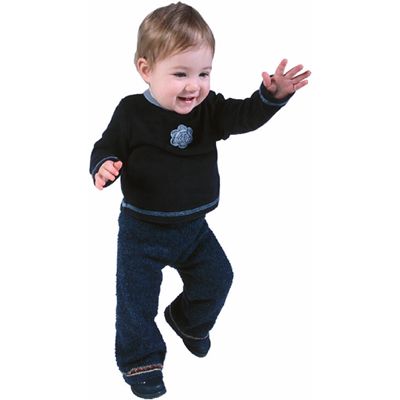 young person someone who is not yet an adult아직 어른이 되지 않은 사람 SYN kid:
  The hotel is ideal for families with young children.그 호텔은 어린 자녀가 있는 가족에게 이상적입니다. The film is not suitable for children under 12.이 영화는 12세 미만의 어린이에게 적합하지 않습니다. I was very happy as a child (=when I was a child).나는 어린 시절에 매우 행복했다(=내가 어렸을 때).a child of five/eight etc For a child of five this was a terrifying experience.다섯 살짜리 아이에게 이것은 끔찍한 경험이었다. a famous writer of children’s books유명한 아동 도서 작가 child victims of war전쟁의 아동 피해자2son/daughter a son or daughter of any age나이에 상관없이 아들 또는 딸: I have five children, all happily married.나는 다섯 명의 자녀가 있는데, 모두 행복하게 결혼했다. She lives with her husband, Paul, and three grown-up children.그녀는 남편 폴과 성인이 된 세 자녀와 함께 살고 있다. Annie had always wanted to get married and have children.애니는 항상 결혼해서 아이를 갖고 싶어했다. Alex is an only child (=he has no brothers or sisters).알렉스는 외동아이다(=형제자매가 없다). Our youngest child, Sam, has just started university.우리 막내아이 샘이 방금 대학에 입학했다.eldest child especially BrE, oldest child especially American English the decision to bring a child into the world (=have a baby)아이를 세상에 데려오는 결정(=아이를 갖는 것)3somebody influenced by an idea someone who is very strongly influenced by the ideas and attitudes of a particular period of history특정 역사적 시대의 사상과 태도에 강하게 영향받은 사람child of a real child of the sixties진정한 60년대의 아이4somebody who is like a child someone who behaves like a child and is not sensible or responsible – used to show disapproval어린아이처럼 행동하며 분별력이나 책임감이 없는 사람 — 못마땅함을 나타낼 때 쓰임: She’s such a child!그녀는 정말 어린애 같다니까!5something is child’s play used to say that something is very easy to do어떤 일이 매우 쉽다는 것을 말할 때 쓰임: I’ve cooked for 200 people before now. So, tonight is child’s play by comparison.이전에 200명 분의 요리를 해본 적이 있어요. 그러니 오늘 밤은 그에 비하면 식은 죽 먹기죠.6children should be seen and not heard an expression meaning that children should be quiet and not talk – used when you disapprove of the way a child is behaving아이들은 조용히 있고 말하지 말아야 한다는 뜻의 표현 — 아이의 행동이 못마땅할 때 쓰임7be with child old use옛날 용법 to be pregnant임신 중이다8be heavy/great with child old use옛날 용법 to be nearly ready to give birth곧 출산할 준비가 되어 있다COLLOCATIONS연어ADJECTIVES/NOUN + child형용사/명사 + childa four-year-old/ten-year-old etc child· A four-year-old child should not be left on their own.· 네 살짜리 아이는 혼자 두어서는 안 된다.a young child· Young children are naturally curious about the world.· 어린아이들은 세상에 대해 자연스럽게 호기심이 많다.a small child (=a young one)· My family lived in France when I was a small child.· 내가 어린아이였을 때 우리 가족은 프랑스에서 살았다.a newborn child· He was holding the newborn child in his arms.· 그는 갓 태어난 아이를 팔에 안고 있었다.an unborn child (=a baby that is still inside its mother)· Smoking can damage your unborn child.· 흡연은 뱃속의 아이에게 해를 끼칠 수 있다.a spoilt/spoiled child (=allowed to do or have whatever he or she wants, and behaving badly)· He’s behaving like a spoilt child.· 그는 버릇없이 자란 아이처럼 행동하고 있다.a gifted child (=extremely intelligent)· a special school for gifted children· 재능 있는 아이들을 위한 특수 학교a bright child (=intelligent)· He was a bright child – always asking questions.· 그는 똑똑한 아이였다 — 항상 질문을 했다.a good/bad child· Be a good child and sit down!· 착한 아이처럼 앉아 있어!a naughty child (=doing things that are not allowed)· He's behaving like a naughty child.· 그는 말썽꾸러기 아이처럼 행동하고 있다.an easy/difficult child (=easy or difficult to deal with)· Marcus was a very happy, easy child.· 마커스는 매우 밝고 키우기 쉬운 아이였다.a problem child (=very difficult to deal with)· Problem children may need to be removed from the classroom.· 문제 아동은 교실에서 분리해야 할 수도 있다.an adopted child (=legally made part of a family that he or she was not born into)· I didn’t find out that I was an adopted child until years later.· 나는 내가 입양된 아이라는 것을 몇 년이 지나서야 알았다.street children (=living on the streets because they have no homes)· The organization aims to help street children in Latin America.· 그 단체는 라틴 아메리카의 거리 아이들을 돕는 것을 목표로 한다.verbs동사bring up a child especially British English, raise a child especially American English· The cost of bringing up a child has risen rapidly.· 아이를 키우는 비용이 빠르게 올랐다.a child is born· Most children at born in hospital.· 대부분의 아이들은 병원에서 태어난다.a child grows up· One in four children is growing up in poverty.· 네 명 중 한 명의 아이가 빈곤 속에서 자라고 있다.child + NOUNchild + 명사child abuse (=treating children in a very bad way, especially sexually)· He was arrested on suspicion of child abuse.· 그는 아동 학대 혐의로 체포되었다.child development· She’s an expert in child development.· 그녀는 아동 발달 분야의 전문가다.child labour British English, child labor American English (=the use of children as workers)· The garments were made using child labour.· 그 의류는 아동 노동을 이용해 만들어졌다.THESAURUS유의어child someone who is not yet an adult. You don’t usually use child to talk about babies or teenagers아직 어른이 되지 않은 사람. child는 보통 아기나 십 대를 가리키는 데는 쓰지 않는다: · Many children are scared of the dark.· 많은 아이들이 어둠을 무서워한다.· He’s just a child.· 그는 그냥 아이일 뿐이다.kid informal비격식 a child. Kid is the usual word to use in everyday spoken English아이. kid는 일상적인 영어 구어에서 흔히 쓰이는 말: · We left the kids in the car.· 우리는 아이들을 차에 두고 왔다.little boy/little girl a young male or female child어린 남자아이 또는 여자아이: · I lived there when I was a little girl.· 나는 어린 소녀였을 때 거기서 살았다.· Little boys love dinosaurs.· 어린 남자아이들은 공룡을 좋아한다.teenager someone between the ages of 13 and 1913세에서 19세 사이의 사람: · There’s not much for teenagers to do around here.· 이 주변에는 십 대들이 할 것이 별로 없다.adolescent a young person who is developing into an adult – used especially when talking about the problems these people have어른으로 성장해 가는 청소년 — 특히 이들이 겪는 문제를 이야기할 때 쓰임: · He changed from a cheerful child to a confused adolescent.· 그는 밝은 아이에서 혼란스러운 청소년으로 변해갔다.youth especially disapproving특히 못마땅함을 나타냄 a teenage boy – especially one who is violent and commits crimes십 대 남자아이 — 특히 폭력적이고 범죄를 저지르는 사람: · He was attacked by a gang of youths.· 그는 청소년 무리에게 공격을 당했다.· a youth court· 소년 법원youngster a child or young person – used especially by old people아이 또는 젊은 사람 — 특히 나이 든 사람들이 쓰는 말: · You youngsters have got your whole life ahead of you.· 너희 젊은이들은 앞날이 창창하잖아.· He’s a bright youngster with a good sense of humour.· 그는 유머 감각이 뛰어난 똑똑한 젊은이다.minor law법률 someone who is not yet legally an adult법적으로 아직 성인이 아닌 사람: · It is illegal to sell alcohol to a minor.· 미성년자에게 알코올을 판매하는 것은 불법이다.
모든 번역 보기1young person someone who is not yet an adult아직 어른이 되지 않은 사람 SYN kid: The hotel is ideal for families with young children.그 호텔은 어린 자녀가 있는 가족에게 이상적입니다. The film is not suitable for children under 12.이 영화는 12세 미만의 어린이에게 적합하지 않습니다. I was very happy as a child (=when I was a child).나는 어린 시절에 매우 행복했다(=내가 어렸을 때).a child of five/eight etc For a child of five this was a terrifying experience.다섯 살짜리 아이에게 이것은 끔찍한 경험이었다. a famous writer of children’s books유명한 아동 도서 작가 child victims of war전쟁의 아동 피해자2son/daughter a son or daughter of any age나이에 상관없이 아들 또는 딸: I have five children, all happily married.나는 다섯 명의 자녀가 있는데, 모두 행복하게 결혼했다. She lives with her husband, Paul, and three grown-up children.그녀는 남편 폴과 성인이 된 세 자녀와 함께 살고 있다. Annie had always wanted to get married and have children.애니는 항상 결혼해서 아이를 갖고 싶어했다. Alex is an only child (=he has no brothers or sisters).알렉스는 외동아이다(=형제자매가 없다). Our youngest child, Sam, has just started university.우리 막내아이 샘이 방금 대학에 입학했다.eldest child especially BrE, oldest child especially American English the decision to bring a child into the world (=have a baby)아이를 세상에 데려오는 결정(=아이를 갖는 것)3somebody influenced by an idea someone who is very strongly influenced by the ideas and attitudes of a particular period of history특정 역사적 시대의 사상과 태도에 강하게 영향받은 사람child of a real child of the sixties진정한 60년대의 아이4somebody who is like a child someone who behaves like a child and is not sensible or responsible – used to show disapproval어린아이처럼 행동하며 분별력이나 책임감이 없는 사람 — 못마땅함을 나타낼 때 쓰임: She’s such a child!그녀는 정말 어린애 같다니까!5something is child’s play used to say that something is very easy to do어떤 일이 매우 쉽다는 것을 말할 때 쓰임: I’ve cooked for 200 people before now. So, tonight is child’s play by comparison.이전에 200명 분의 요리를 해본 적이 있어요. 그러니 오늘 밤은 그에 비하면 식은 죽 먹기죠.6children should be seen and not heard an expression meaning that children should be quiet and not talk – used when you disapprove of the way a child is behaving아이들은 조용히 있고 말하지 말아야 한다는 뜻의 표현 — 아이의 행동이 못마땅할 때 쓰임7be with child old use옛날 용법 to be pregnant임신 중이다8be heavy/great with child old use옛날 용법 to be nearly ready to give birth곧 출산할 준비가 되어 있다COLLOCATIONS연어ADJECTIVES/NOUN + child형용사/명사 + childa four-year-old/ten-year-old etc child· A four-year-old child should not be left on their own.· 네 살짜리 아이는 혼자 두어서는 안 된다.a young child· Young children are naturally curious about the world.· 어린아이들은 세상에 대해 자연스럽게 호기심이 많다.a small child (=a young one)· My family lived in France when I was a small child.· 내가 어린아이였을 때 우리 가족은 프랑스에서 살았다.a newborn child· He was holding the newborn child in his arms.· 그는 갓 태어난 아이를 팔에 안고 있었다.an unborn child (=a baby that is still inside its mother)· Smoking can damage your unborn child.· 흡연은 뱃속의 아이에게 해를 끼칠 수 있다.a spoilt/spoiled child (=allowed to do or have whatever he or she wants, and behaving badly)· He’s behaving like a spoilt child.· 그는 버릇없이 자란 아이처럼 행동하고 있다.a gifted child (=extremely intelligent)· a special school for gifted children· 재능 있는 아이들을 위한 특수 학교a bright child (=intelligent)· He was a bright child – always asking questions.· 그는 똑똑한 아이였다 — 항상 질문을 했다.a good/bad child· Be a good child and sit down!· 착한 아이처럼 앉아 있어!a naughty child (=doing things that are not allowed)· He's behaving like a naughty child.· 그는 말썽꾸러기 아이처럼 행동하고 있다.an easy/difficult child (=easy or difficult to deal with)· Marcus was a very happy, easy child.· 마커스는 매우 밝고 키우기 쉬운 아이였다.a problem child (=very difficult to deal with)· Problem children may need to be removed from the classroom.· 문제 아동은 교실에서 분리해야 할 수도 있다.an adopted child (=legally made part of a family that he or she was not born into)· I didn’t find out that I was an adopted child until years later.· 나는 내가 입양된 아이라는 것을 몇 년이 지나서야 알았다.street children (=living on the streets because they have no homes)· The organization aims to help street children in Latin America.· 그 단체는 라틴 아메리카의 거리 아이들을 돕는 것을 목표로 한다.verbs동사bring up a child especially British English, raise a child especially American English· The cost of bringing up a child has risen rapidly.· 아이를 키우는 비용이 빠르게 올랐다.a child is born· Most children at born in hospital.· 대부분의 아이들은 병원에서 태어난다.a child grows up· One in four children is growing up in poverty.· 네 명 중 한 명의 아이가 빈곤 속에서 자라고 있다.child + NOUNchild + 명사child abuse (=treating children in a very bad way, especially sexually)· He was arrested on suspicion of child abuse.· 그는 아동 학대 혐의로 체포되었다.child development· She’s an expert in child development.· 그녀는 아동 발달 분야의 전문가다.child labour British English, child labor American English (=the use of children as workers)· The garments were made using child labour.· 그 의류는 아동 노동을 이용해 만들어졌다.THESAURUS유의어child someone who is not yet an adult. You don’t usually use child to talk about babies or teenagers아직 어른이 되지 않은 사람. child는 보통 아기나 십 대를 가리키는 데는 쓰지 않는다: · Many children are scared of the dark.· 많은 아이들이 어둠을 무서워한다.· He’s just a child.· 그는 그냥 아이일 뿐이다.kid informal비격식 a child. Kid is the usual word to use in everyday spoken English아이. kid는 일상적인 영어 구어에서 흔히 쓰이는 말: · We left the kids in the car.· 우리는 아이들을 차에 두고 왔다.little boy/little girl a young male or female child어린 남자아이 또는 여자아이: · I lived there when I was a little girl.· 나는 어린 소녀였을 때 거기서 살았다.· Little boys love dinosaurs.· 어린 남자아이들은 공룡을 좋아한다.teenager someone between the ages of 13 and 1913세에서 19세 사이의 사람: · There’s not much for teenagers to do around here.· 이 주변에는 십 대들이 할 것이 별로 없다.adolescent a young person who is developing into an adult – used especially when talking about the problems these people have어른으로 성장해 가는 청소년 — 특히 이들이 겪는 문제를 이야기할 때 쓰임: · He changed from a cheerful child to a confused adolescent.· 그는 밝은 아이에서 혼란스러운 청소년으로 변해갔다.youth especially disapproving특히 못마땅함을 나타냄 a teenage boy – especially one who is violent and commits crimes십 대 남자아이 — 특히 폭력적이고 범죄를 저지르는 사람: · He was attacked by a gang of youths.· 그는 청소년 무리에게 공격을 당했다.· a youth court· 소년 법원youngster a child or young person – used especially by old people아이 또는 젊은 사람 — 특히 나이 든 사람들이 쓰는 말: · You youngsters have got your whole life ahead of you.· 너희 젊은이들은 앞날이 창창하잖아.· He’s a bright youngster with a good sense of humour.· 그는 유머 감각이 뛰어난 똑똑한 젊은이다.minor law법률 someone who is not yet legally an adult법적으로 아직 성인이 아닌 사람: · It is illegal to sell alcohol to a minor.· 미성년자에게 알코올을 판매하는 것은 불법이다.