
coin의 영어 뜻
coincoin1 /kɔɪn/ noun 
 모든 번역 보기1
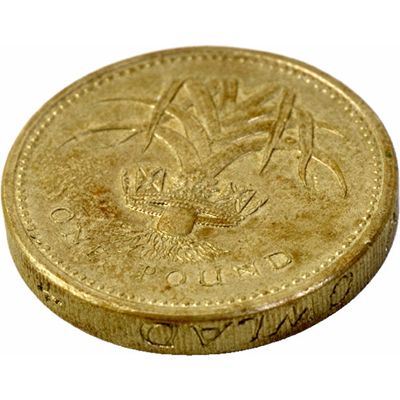 [countable] a piece of metal, usually flat and round, that is used as money돈으로 사용되는 금속 조각으로, 보통 납작하고 둥글다► see thesaurus at money2toss/flip a coin to choose or decide something by throwing a coin into the air and guessing which side of it will show when it falls동전을 공중에 던져 떨어질 때 어느 면이 나올지 맞혀 무언가를 선택하거나 결정하다:
  Toss a coin to see who goes first.동전을 던져서 누가 먼저 할지 결정하세요.3the other/opposite side of the coin a different or opposite way of thinking about something어떤 것에 대해 다르거나 반대되는 사고방식: Making the rules is only part of it. How the rules are carried out is the other side of the coin.규칙을 만드는 것은 일부에 불과하다. 규칙이 어떻게 실행되느냐가 동전의 다른 면이다.4two sides of the same coin two problems or situations that are so closely connected that they are really just two parts of the same thing두 가지 문제나 상황이 매우 밀접하게 연결되어 있어 실질적으로 같은 것의 두 부분에 불과한 것: Great opportunity and great danger are two sides of the same coin.큰 기회와 큰 위험은 같은 동전의 양면이다.5[uncountable] money in the form of metal coins금속 동전 형태의 돈
모든 번역 보기1 [countable] a piece of metal, usually flat and round, that is used as money돈으로 사용되는 금속 조각으로, 보통 납작하고 둥글다► see thesaurus at money2toss/flip a coin to choose or decide something by throwing a coin into the air and guessing which side of it will show when it falls동전을 공중에 던져 떨어질 때 어느 면이 나올지 맞혀 무언가를 선택하거나 결정하다: Toss a coin to see who goes first.동전을 던져서 누가 먼저 할지 결정하세요.3the other/opposite side of the coin a different or opposite way of thinking about something어떤 것에 대해 다르거나 반대되는 사고방식: Making the rules is only part of it. How the rules are carried out is the other side of the coin.규칙을 만드는 것은 일부에 불과하다. 규칙이 어떻게 실행되느냐가 동전의 다른 면이다.4two sides of the same coin two problems or situations that are so closely connected that they are really just two parts of the same thing두 가지 문제나 상황이 매우 밀접하게 연결되어 있어 실질적으로 같은 것의 두 부분에 불과한 것: Great opportunity and great danger are two sides of the same coin.큰 기회와 큰 위험은 같은 동전의 양면이다.5[uncountable] money in the form of metal coins금속 동전 형태의 돈coincoin2 verb [transitive] 1to invent a new word or expression, especially one that many people start to use새로운 단어나 표현을 만들어 내다, 특히 많은 사람들이 쓰기 시작하는 것: The word ‘aromatherapy’ was coined in the 1920s.'aromatherapy'라는 단어는 1920년대에 만들어졌다.2to coin a phrase spoken구어 said in a joking way when you use a very common expression, to show that you know it is used a lot매우 흔한 표현을 사용할 때 농담조로 하는 말로, 그 표현이 많이 쓰인다는 것을 알고 있음을 나타냄: He’d thought the flight would never – to coin a phrase – get off the ground.그는 비행이 결코 — 흔히 쓰는 말로 하자면 — 이륙하지 못할 거라고 생각했다.3coin money/coin it (in) British English informal비격식 to earn a lot of money very quickly매우 빠르게 많은 돈을 벌다: BT at its profitable peak was coining it at the rate of £90 a second.BT는 수익이 절정이었을 때 초당 90파운드의 속도로 돈을 긁어모으고 있었다.4to make pieces of money from metal금속으로 동전을 만들다
1to invent a new word or expression, especially one that many people start to use새로운 단어나 표현을 만들어 내다, 특히 많은 사람들이 쓰기 시작하는 것: The word ‘aromatherapy’ was coined in the 1920s.'aromatherapy'라는 단어는 1920년대에 만들어졌다.2to coin a phrase spoken구어 said in a joking way when you use a very common expression, to show that you know it is used a lot매우 흔한 표현을 사용할 때 농담조로 하는 말로, 그 표현이 많이 쓰인다는 것을 알고 있음을 나타냄: He’d thought the flight would never – to coin a phrase – get off the ground.그는 비행이 결코 — 흔히 쓰는 말로 하자면 — 이륙하지 못할 거라고 생각했다.3coin money/coin it (in) British English informal비격식 to earn a lot of money very quickly매우 빠르게 많은 돈을 벌다: BT at its profitable peak was coining it at the rate of £90 a second.BT는 수익이 절정이었을 때 초당 90파운드의 속도로 돈을 긁어모으고 있었다.4to make pieces of money from metal금속으로 동전을 만들다