
plant의 영어 뜻
plantplant1 /plɑːnt $ plænt/ noun 
 모든 번역 보기1living thing [countable] a living thing that has leaves and roots and grows in earth, especially one that is smaller than a tree잎과 뿌리를 가지고 땅에서 자라는 생물, 특히 나무보다 작은 것:
  Don’t forget to water the plants.식물에 물 주는 것을 잊지 마세요. → houseplant2factory [countable] a factory or building where an industrial process happens산업 공정이 이루어지는 공장이나 건물: a huge chemical plant거대한 화학 공장 → power plant3machinery [uncountable] British English heavy machinery that is used in industrial processes산업 공정에 사용되는 대형 기계류: a plant hire business중장비 임대 업체4something hidden [countable usually singular] something illegal or stolen that is hidden in someone’s clothes or possessions to make them seem guilty of a crime누군가를 범죄자처럼 보이게 하려고 옷이나 소지품에 숨겨 놓은 불법 물건이나 장물5person [countable] someone who is put somewhere or sent somewhere secretly to find out information정보를 수집하기 위해 어딘가에 비밀리에 배치되거나 파견된 사람COLLOCATIONS연어ADJECTIVES/NOUN + plant형용사/명사 + plantrare· Many rare plants were collected from India and China.· 많은 희귀 식물들이 인도와 중국에서 채집되었다.common· These plants are common in British gardens.· 이 식물들은 영국 정원에서 흔히 볼 수 있다.wild plants· Many wild plants are in danger of dying out.· 많은 야생 식물들이 멸종 위기에 처해 있다.garden plants (=plants that are grown in gardens)· These butterflies feed on the flowers of several garden plants.· 이 나비들은 여러 정원 식물의 꽃을 먹이로 삼는다.exotic/tropical plants· Exotic plants can be grown in a greenhouse.· 이국적인 식물들은 온실에서 키울 수 있다.medicinal plants (=plants that can be used in medicine)· A lot of research into medicinal plants and traditional remedies has now been carried out.· 약용 식물과 전통 치료법에 관한 많은 연구가 현재까지 수행되었다.a potted/pot plant British English (=a plant that is grown in a container)· He leaves his house key under the potted plant on the porch.· 그는 현관 화분 아래에 집 열쇠를 두고 간다.a house plant (=a plant grown in a pot in the house)· These make excellent house plants.· 이것들은 훌륭한 실내 식물이 된다.a climbing plant (=one that grows up things)· The wall was covered with climbing plants.· 벽은 덩굴 식물로 뒤덮여 있었다.a trailing plant (=one that grows along the ground or hangs down)a tomato/potato/bean etc plant· Bean plants are easy to grow.· 콩 식물은 키우기 쉽다.poisonous· What should you do if your child has eaten a poisonous plant?· 아이가 독성 식물을 먹었을 경우 어떻게 해야 하나요?verbs동사a plant grows· The plant grows to a height of about 20 inches.· 이 식물은 약 20인치 높이까지 자란다.a plant thrives/flourishes (=grows well)· A lot of plants thrive in partial shade.· 많은 식물들이 반그늘에서 잘 자란다.a plant flowers· The plants are flowering earlier this year.· 올해는 식물들이 예년보다 일찍 꽃을 피우고 있다.grow a plant· It is not an easy plant to grow.· 이것은 키우기 쉬운 식물이 아니다.water a plant· He could see her watering the plants in her small garden.· 그는 그녀가 작은 정원에서 식물에 물을 주는 것을 볼 수 있었다.a plant withers (=becomes drier and starts to die)plant + NOUNplant + 명사plant life (=plants)· All but the dirtiest of rivers support some plant life.· 가장 오염된 강을 제외한 모든 강에는 어느 정도 식물 생태계가 존재한다.plant material· They feed on decaying plant material.· 그것들은 부패하는 식물성 물질을 먹이로 한다.THESAURUS유의어plant a living thing that has leaves and roots and grows in earth, especially one that is smaller than a tree잎과 뿌리를 가지고 땅에서 자라는 생물, 특히 나무보다 작은 것: · Don’t forget to water the plants.· 식물에 물 주는 것을 잊지 마세요.· Plants grow towards the sun.· 식물들은 태양을 향해 자란다.· Botanists examined plant species from around the world.· 식물학자들이 전 세계의 식물 종들을 조사했다.herb a small plant that is used to improve the taste of food, or to make medicine음식의 맛을 개선하거나 약을 만드는 데 쓰이는 작은 식물: · Sprinkle the dish with chopped fresh herbs.· 잘게 썬 신선한 허브를 요리에 뿌리세요.· medicinal herbs (=used as medicine)· 약초 (=약으로 사용되는)· The shop sells an interesting range of herbs and spices.· 그 가게는 다양하고 흥미로운 허브와 향신료를 판매한다.weed a wild plant growing where it is not wanted that prevents crops or garden flowers from growing properly원하지 않는 곳에 자라 농작물이나 정원 꽃의 정상적인 성장을 방해하는 야생 식물: · She was pulling up weeds in her garden.· 그녀는 정원에서 잡초를 뽑고 있었다.· Herbicides can be used to prevent and control weeds.· 제초제는 잡초를 예방하고 통제하는 데 사용될 수 있다.bulb a root shaped like a ball that grows into a flower or plant공 모양의 뿌리로, 꽃이나 식물로 자라는 것: · She planted hundreds of daffodil bulbs.· 그녀는 수백 개의 수선화 구근을 심었다.shrub a small bush with several woody stems여러 개의 목질 줄기를 가진 작은 관목: · flowering shrubs· 꽃이 피는 관목· Rosemary is an evergreen shrub.· 로즈마리는 상록 관목이다.
모든 번역 보기1living thing [countable] a living thing that has leaves and roots and grows in earth, especially one that is smaller than a tree잎과 뿌리를 가지고 땅에서 자라는 생물, 특히 나무보다 작은 것: Don’t forget to water the plants.식물에 물 주는 것을 잊지 마세요. → houseplant2factory [countable] a factory or building where an industrial process happens산업 공정이 이루어지는 공장이나 건물: a huge chemical plant거대한 화학 공장 → power plant3machinery [uncountable] British English heavy machinery that is used in industrial processes산업 공정에 사용되는 대형 기계류: a plant hire business중장비 임대 업체4something hidden [countable usually singular] something illegal or stolen that is hidden in someone’s clothes or possessions to make them seem guilty of a crime누군가를 범죄자처럼 보이게 하려고 옷이나 소지품에 숨겨 놓은 불법 물건이나 장물5person [countable] someone who is put somewhere or sent somewhere secretly to find out information정보를 수집하기 위해 어딘가에 비밀리에 배치되거나 파견된 사람COLLOCATIONS연어ADJECTIVES/NOUN + plant형용사/명사 + plantrare· Many rare plants were collected from India and China.· 많은 희귀 식물들이 인도와 중국에서 채집되었다.common· These plants are common in British gardens.· 이 식물들은 영국 정원에서 흔히 볼 수 있다.wild plants· Many wild plants are in danger of dying out.· 많은 야생 식물들이 멸종 위기에 처해 있다.garden plants (=plants that are grown in gardens)· These butterflies feed on the flowers of several garden plants.· 이 나비들은 여러 정원 식물의 꽃을 먹이로 삼는다.exotic/tropical plants· Exotic plants can be grown in a greenhouse.· 이국적인 식물들은 온실에서 키울 수 있다.medicinal plants (=plants that can be used in medicine)· A lot of research into medicinal plants and traditional remedies has now been carried out.· 약용 식물과 전통 치료법에 관한 많은 연구가 현재까지 수행되었다.a potted/pot plant British English (=a plant that is grown in a container)· He leaves his house key under the potted plant on the porch.· 그는 현관 화분 아래에 집 열쇠를 두고 간다.a house plant (=a plant grown in a pot in the house)· These make excellent house plants.· 이것들은 훌륭한 실내 식물이 된다.a climbing plant (=one that grows up things)· The wall was covered with climbing plants.· 벽은 덩굴 식물로 뒤덮여 있었다.a trailing plant (=one that grows along the ground or hangs down)a tomato/potato/bean etc plant· Bean plants are easy to grow.· 콩 식물은 키우기 쉽다.poisonous· What should you do if your child has eaten a poisonous plant?· 아이가 독성 식물을 먹었을 경우 어떻게 해야 하나요?verbs동사a plant grows· The plant grows to a height of about 20 inches.· 이 식물은 약 20인치 높이까지 자란다.a plant thrives/flourishes (=grows well)· A lot of plants thrive in partial shade.· 많은 식물들이 반그늘에서 잘 자란다.a plant flowers· The plants are flowering earlier this year.· 올해는 식물들이 예년보다 일찍 꽃을 피우고 있다.grow a plant· It is not an easy plant to grow.· 이것은 키우기 쉬운 식물이 아니다.water a plant· He could see her watering the plants in her small garden.· 그는 그녀가 작은 정원에서 식물에 물을 주는 것을 볼 수 있었다.a plant withers (=becomes drier and starts to die)plant + NOUNplant + 명사plant life (=plants)· All but the dirtiest of rivers support some plant life.· 가장 오염된 강을 제외한 모든 강에는 어느 정도 식물 생태계가 존재한다.plant material· They feed on decaying plant material.· 그것들은 부패하는 식물성 물질을 먹이로 한다.THESAURUS유의어plant a living thing that has leaves and roots and grows in earth, especially one that is smaller than a tree잎과 뿌리를 가지고 땅에서 자라는 생물, 특히 나무보다 작은 것: · Don’t forget to water the plants.· 식물에 물 주는 것을 잊지 마세요.· Plants grow towards the sun.· 식물들은 태양을 향해 자란다.· Botanists examined plant species from around the world.· 식물학자들이 전 세계의 식물 종들을 조사했다.herb a small plant that is used to improve the taste of food, or to make medicine음식의 맛을 개선하거나 약을 만드는 데 쓰이는 작은 식물: · Sprinkle the dish with chopped fresh herbs.· 잘게 썬 신선한 허브를 요리에 뿌리세요.· medicinal herbs (=used as medicine)· 약초 (=약으로 사용되는)· The shop sells an interesting range of herbs and spices.· 그 가게는 다양하고 흥미로운 허브와 향신료를 판매한다.weed a wild plant growing where it is not wanted that prevents crops or garden flowers from growing properly원하지 않는 곳에 자라 농작물이나 정원 꽃의 정상적인 성장을 방해하는 야생 식물: · She was pulling up weeds in her garden.· 그녀는 정원에서 잡초를 뽑고 있었다.· Herbicides can be used to prevent and control weeds.· 제초제는 잡초를 예방하고 통제하는 데 사용될 수 있다.bulb a root shaped like a ball that grows into a flower or plant공 모양의 뿌리로, 꽃이나 식물로 자라는 것: · She planted hundreds of daffodil bulbs.· 그녀는 수백 개의 수선화 구근을 심었다.shrub a small bush with several woody stems여러 개의 목질 줄기를 가진 작은 관목: · flowering shrubs· 꽃이 피는 관목· Rosemary is an evergreen shrub.· 로즈마리는 상록 관목이다.plantplant2 verb [transitive] 1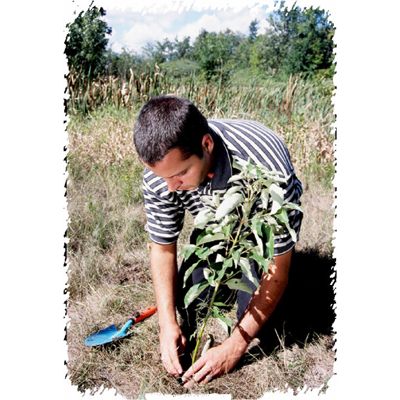 plants/seeds to put plants or seeds in the ground to grow식물이나 씨앗을 땅에 심어 자라게 하다: Residents have helped us plant trees.주민들이 나무 심는 것을 도와주었다. We’ve planted tomatoes and carrots in the garden.우리는 정원에 토마토와 당근을 심었다.plant a field/garden/area etc (with something) a hillside planted with fir trees전나무가 심어진 산비탈2put something somewhere [always + adverb/preposition] informal비격식 to put something firmly in or on something else무언가를 다른 것에 단단히 놓거나 꽂다plant something in/on etc something He came up to her and planted a kiss on her cheek.그는 그녀에게 다가가 뺨에 입을 맞췄다. She planted her feet firmly to the spot and refused to move.그녀는 그 자리에 발을 단단히 딛고 움직이기를 거부했다.3hide illegal goods informal비격식 to hide stolen or illegal goods in someone’s clothes, bags, room etc in order to make them seem guilty of a crime누군가를 범죄자처럼 보이게 하려고 그 사람의 옷, 가방, 방 등에 장물이나 불법 물품을 숨기다plant something on somebody She claims that the police planted the drugs on her.그녀는 경찰이 자신에게 마약을 심었다고 주장한다.4bomb plant a bomb to put a bomb somewhere어딘가에 폭탄을 설치하다: Two men are accused of planting a bomb on the plane.두 남성이 비행기에 폭탄을 설치한 혐의로 기소되었다.5person to put or send someone somewhere, especially secretly, so that they can find out information정보를 수집할 수 있도록 누군가를 어딘가에 (특히 비밀리에) 배치하거나 파견하다: The police had planted undercover detectives at every entrance.경찰은 모든 입구에 비밀 수사관을 배치해 두었다.6plant an idea/doubt/suspicion (in somebody’s mind) to make someone begin to have an idea, especially so that they do not realize that you gave them the idea상대방이 알아채지 못하도록 누군가의 마음에 어떤 생각을 심어 주다: Someone must have planted the idea of suicide in his mind.누군가가 그의 마음속에 자살이라는 생각을 심어 놓았음에 틀림없다.plant something ↔ out phrasal verb to put a young plant into the soil outdoors, so that it has enough room to grow어린 식물을 야외 토양에 옮겨 심어 충분한 성장 공간을 확보하다: The seedlings should be planted out in May.묘목은 5월에 야외에 심어야 한다.
1plants/seeds to put plants or seeds in the ground to grow식물이나 씨앗을 땅에 심어 자라게 하다: Residents have helped us plant trees.주민들이 나무 심는 것을 도와주었다. We’ve planted tomatoes and carrots in the garden.우리는 정원에 토마토와 당근을 심었다.plant a field/garden/area etc (with something) a hillside planted with fir trees전나무가 심어진 산비탈2put something somewhere [always + adverb/preposition] informal비격식 to put something firmly in or on something else무언가를 다른 것에 단단히 놓거나 꽂다plant something in/on etc something He came up to her and planted a kiss on her cheek.그는 그녀에게 다가가 뺨에 입을 맞췄다. She planted her feet firmly to the spot and refused to move.그녀는 그 자리에 발을 단단히 딛고 움직이기를 거부했다.3hide illegal goods informal비격식 to hide stolen or illegal goods in someone’s clothes, bags, room etc in order to make them seem guilty of a crime누군가를 범죄자처럼 보이게 하려고 그 사람의 옷, 가방, 방 등에 장물이나 불법 물품을 숨기다plant something on somebody She claims that the police planted the drugs on her.그녀는 경찰이 자신에게 마약을 심었다고 주장한다.4bomb plant a bomb to put a bomb somewhere어딘가에 폭탄을 설치하다: Two men are accused of planting a bomb on the plane.두 남성이 비행기에 폭탄을 설치한 혐의로 기소되었다.5person to put or send someone somewhere, especially secretly, so that they can find out information정보를 수집할 수 있도록 누군가를 어딘가에 (특히 비밀리에) 배치하거나 파견하다: The police had planted undercover detectives at every entrance.경찰은 모든 입구에 비밀 수사관을 배치해 두었다.6plant an idea/doubt/suspicion (in somebody’s mind) to make someone begin to have an idea, especially so that they do not realize that you gave them the idea상대방이 알아채지 못하도록 누군가의 마음에 어떤 생각을 심어 주다: Someone must have planted the idea of suicide in his mind.누군가가 그의 마음속에 자살이라는 생각을 심어 놓았음에 틀림없다.plant something ↔ out phrasal verb to put a young plant into the soil outdoors, so that it has enough room to grow어린 식물을 야외 토양에 옮겨 심어 충분한 성장 공간을 확보하다: The seedlings should be planted out in May.묘목은 5월에 야외에 심어야 한다.