
catcat /kæt/ noun [countable] 
 1
1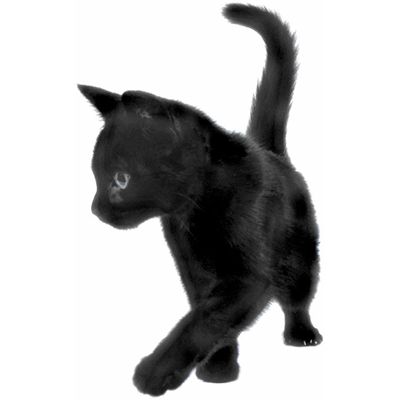 a)a small animal with four legs that people often keep as a pet一种四条腿的小动物,人们常作为宠物饲养animal pequeño de cuatro patas que la gente suele tener como mascotaanimal pequeno de quatro patas que as pessoas costumam criar como animal de estimação人がよくペットとして飼う、四本足の小動物。사람들이 흔히 반려동물로 기르는 네 발 달린 작은 동물tabby/ginger/tortoiseshell etc cat (=colours of cats)(=猫的毛色)(=colores de los gatos)(=cores dos gatos)(=猫の毛色)(=고양이의 털 색깔)
 a tom cat (=a male cat)雄猫(=公猫)un gato macho (=gato macho)um gato macho (=gato macho)トムキャット(=オス猫)수고양이 (=수컷 고양이) b) (also big cat) a large animal such as a lion or tiger大型猫科动物,如狮子或老虎animal grande como el león o el tigreanimal grande como o leão ou o tigreライオンやトラなどの大型動物。사자나 호랑이 같은 큰 동물2let the cat out of the bag to tell someone a secret, especially without intending to把秘密透露给某人,尤指无意中泄露revelar un secreto a alguien, especialmente sin pretenderlocontar um segredo a alguém, especialmente sem querer(特に意図せずして)秘密を人に漏らす。특히 의도치 않게 비밀을 남에게 털어놓다3put/set the cat among the pigeons to do or say something that causes arguments, trouble etc做或说引起争论、麻烦等的事hacer o decir algo que provoca discusiones, problemas, etc.fazer ou dizer algo que provoca brigas, problemas etc.議論やトラブルなどを引き起こすことを言ったりしたりする。논쟁이나 분란 등을 일으키는 말이나 행동을 하다4play (a game of) cat and mouse (with somebody) to pretend to allow someone to do or have what they want, and then to stop them from doing or having it假装允许某人做他想做的事或得到他想要的东西,然后再阻止其实现fingir que se le permite a alguien hacer o tener lo que quiere, para luego impedírselofingir permitir que alguém faça ou tenha o que quer, e depois impedi-lo相手がしたいことをさせると見せかけておきながら、実際にはそれを妨げる。상대방이 원하는 것을 하거나 가질 수 있도록 허용하는 척하다가 결국 막아버리다: The police played an elaborate game of cat and mouse to trap him.警方精心设计了一场猫鼠游戏来捕获他。La policía organizó un elaborado juego del gato y el ratón para atraparlo.A polícia armou um elaborado jogo de gato e rato para prendê-lo.警察は彼を罠にかけるため、巧妙な猫とネズミのゲームを繰り広げた。경찰은 그를 잡기 위해 정교한 고양이와 쥐 게임을 펼쳤다.5the cat’s whiskers/pyjamas informal非正式informalinformalインフォーマル비격식 something or someone that is better than everything else比任何事物或任何人都更优秀的事物或人algo o alguien que es mejor que todo lo demásalgo ou alguém que é melhor do que tudo ou todos os demais他の何よりも、あるいは誰よりも優れているもの(または人)。다른 모든 것이나 사람보다 뛰어난 것 또는 사람: I really thought I looked the cat’s whiskers in that dress.我当时真的以为自己穿那条裙子的样子无与伦比。De verdad pensé que estaba increíble con ese vestido.Eu realmente achei que estava incrível naquele vestido.あのドレスを着た自分がとびきり素敵に見えると本当に思っていた。나는 그 드레스를 입은 내 모습이 정말 최고라고 생각했다.6like a cat on hot bricks British English, like a cat on a hot tin roof American English so nervous or anxious that you cannot keep still or keep your attention on one thing紧张或焦虑得无法静下来,或无法将注意力集中在某一件事上tan nervioso o ansioso que no puede quedarse quieto ni concentrarse en una sola cosatão nervoso ou ansioso que não consegue ficar parado nem se concentrar em uma coisa só緊張や不安のあまり、じっとしていられず、一つのことに集中できない。너무 긴장하거나 불안해서 가만히 있지 못하거나 한 가지에 집중하지 못하는7not stand/have a cat in hell’s chance (of doing something) informal非正式informalinformalインフォーマル비격식 to not have any chance of succeeding毫无成功的可能no tener ninguna posibilidad de tener éxitonão ter nenhuma chance de ter sucesso成功する見込みがまったくない。성공할 가능성이 전혀 없다: They don’t have a cat in hell’s chance of being elected.他们根本没有当选的可能。No tienen ninguna posibilidad de ser elegidos.Eles não têm a menor chance de ser eleitos.彼らが当選する見込みはまったくない。그들은 당선될 가능성이 전혀 없다.8when the cat’s away (the mice will play) used to say that people will not behave well when the person who has authority over them is not there用来表示当权威人士不在时,人们就会行为失范se usa para decir que la gente no se comportará bien cuando la persona que tiene autoridad sobre ella no está presenteusado para dizer que as pessoas não se comportam bem quando a pessoa que tem autoridade sobre elas não está presente権威者がいない場合、人はきちんと行動しないということを表す表現。자신을 감독하는 사람이 없으면 사람들이 바르게 행동하지 않는다는 것을 나타내는 표현9like the cat that got the cream British English, like the cat that ate the canary American English informal非正式informalinformalインフォーマル비격식 very proud or pleased because of something you have achieved or got因取得某种成就或得到某样东西而非常得意或高兴muy orgulloso o complacido por algo que has logrado u obtenidomuito orgulhoso ou satisfeito por algo que você conquistou ou obteve何かを成し遂げたり手に入れたりして、非常に誇らしげで満足そうな。무언가를 이루거나 얻어서 매우 자랑스럽거나 기뻐하는10look like something the cat dragged/brought in British English informal非正式informalinformalインフォーマル비격식 to look very dirty or untidy看起来非常肮脏或邋遢tener un aspecto muy sucio o desaliñadoter uma aparência muito suja ou desleixadaひどく汚れた、またはだらしない外見をしている。매우 지저분하거나 단정치 못한 모습을 하고 있다 → raining cats and dogs at rain2(1), → there’s not enough room to swing a cat at room1(5)COLLOCATIONS词语搭配COLOCACIONESCOLOCAÇÕESコロケーション연어adjectives形容词adjetivosadjetivos形容詞형용사a pet cat (=one that you care for in your home)· Lucy had a horse and a pet cat of her own.· 露西有一匹马,还有一只属于她自己的宠物猫。· Lucy tenía un caballo y un gato mascota propio.· Lucy tinha um cavalo e um gato de estimação só dela.· ルーシーは馬と自分だけのペットの猫を飼っていた。· Lucy는 말 한 마리와 자신만의 반려 고양이 한 마리를 가지고 있었다.a domestic cat (=one that lives with people)· People have kept domestic cats for thousands of years.· 人类饲养家猫已有数千年历史。· Las personas han tenido gatos domésticos durante miles de años.· As pessoas criam gatos domésticos há milhares de anos.· 人々は何千年もの間、飼い猫を飼い続けてきた。· 사람들은 수천 년 동안 집고양이를 길러왔다.a tabby cat (=which has dark and light lines on brown or grey fur)· They had a 12-year-old tabby cat.· 他们养了一只12岁的虎斑猫。· Tenían un gato atigrado de 12 años.· Eles tinham um gato malhado de 12 anos.· 彼らは12歳のトラ猫を飼っていた。· 그들은 12살 된 줄무늬 고양이를 키웠다.a ginger cat (=which has orange-brown fur)· I've always wanted a ginger cat.· 我一直想要一只橘猫。· Siempre he querido un gato color naranja.· Sempre quis ter um gato ruivo.· 私はずっと茶トラ猫が欲しかった。· 나는 항상 주황색 고양이를 갖고 싶었다.a feral cat (=one that lives in groups with other cats but has no home)· The small fishing village was full of feral cats.· 那个小渔村里到处都是野猫。· El pequeño pueblo pesquero estaba lleno de gatos asilvestrados.· A pequena vila de pescadores estava cheia de gatos selvagens.· その小さな漁村は野生の猫でいっぱいだった。· 그 작은 어촌에는 야생 고양이가 가득했다.a stray cat (=one that has lost its home)· He found a stray cat and started feeding it.· 他发现了一只流浪猫,开始喂它。· Encontró un gato callejero y empezó a darle de comer.· Ele encontrou um gato de rua e começou a alimentá-lo.· 彼は野良猫を見つけ、餌を与え始めた。· 그는 길고양이를 발견하고 먹이를 주기 시작했다.a wild cat (=a type of cat that does not live with people)· The African wild cat is bigger than ordinary domestic cats.· 非洲野猫比普通家猫体型更大。· El gato montés africano es más grande que los gatos domésticos comunes.· O gato selvagem africano é maior do que os gatos domésticos comuns.· アフリカのヤマネコは普通の飼い猫より大きい。· 아프리카 야생 고양이는 일반 집고양이보다 크다.big cats (=lions, tigers etc)· All 36 species of big cat are vulnerable or endangered.· 所有36种大型猫科动物均处于易危或濒危状态。· Las 36 especies de grandes felinos son vulnerables o están en peligro de extinción.· Todas as 36 espécies de grandes felinos são vulneráveis ou estão em risco de extinção.· 大型ネコ科動物の36種すべてが、危急種または絶滅危惧種となっている。· 36종의 대형 고양잇과 동물 모두가 취약하거나 멸종 위기에 처해 있다.verbs动词verbosverbos動詞동사a cat miaows/mews (=makes a small noise)· The cat was miaowing outside the door.· 猫在门外喵喵叫。· El gato estaba maullando fuera de la puerta.· O gato estava miando do lado de fora da porta.· 猫がドアの外でニャーニャーと鳴いていた。· 고양이가 문 밖에서 야옹거리고 있었다.a cat purrs (=makes a soft noise that shows pleasure)· The cat purred as she stroked it.· 她抚摸猫时,猫发出了呼噜声。· El gato ronroneó mientras ella lo acariciaba.· O gato ronronou enquanto ela o acariciava.· 彼女がなでると、猫はゴロゴロと鳴いた。· 그녀가 쓰다듬자 고양이가 그르렁거렸다.a cat hisses (=makes a low noise that shows fear or anger)· Cats sometimes hiss at dogs.· 猫有时会对狗发出嘶嘶声。· Los gatos a veces sisean a los perros.· Os gatos às vezes sibilam para os cachorros.· 猫はときどき犬に向かってシャーと鳴く。· 고양이는 때때로 개를 향해 쉿 소리를 낸다.a cat scratches somebody· If a cat gets angry, it may scratch you with its claws.· 猫生气时,可能会用爪子抓你。· Si un gato se enfada, puede arañarte con sus garras.· Se um gato ficar com raiva, pode te arranhar com as garras.· 猫が怒ると、爪で引っかかれることがある。· 고양이가 화가 나면 발톱으로 할퀼 수도 있다.a cat leaps/springs· Then the cat leapt up into the tree.· 然后猫一跃跳上了树。· Entonces el gato saltó hasta el árbol.· Então o gato saltou para cima da árvore.· そして猫は木の上に飛び上がった。· 그러자 고양이가 나무 위로 훌쩍 뛰어올랐다.a cat pounces on something (=jumps on something and catches it)· The cat was hiding, waiting to pounce on the bird.· 猫藏着身子,等待时机猛扑向那只鸟。· El gato estaba escondido, esperando para abalanzarse sobre el pájaro.· O gato estava escondido, esperando para se lançar sobre o pássaro.· 猫は隠れながら、鳥に飛びかかろうとじっと待ち構えていた。· 고양이는 몸을 숨긴 채 새에게 덮칠 기회를 기다리고 있었다.have a cat· We always had a cat when I was young.· 我小时候家里一直养着猫。· Siempre tuvimos un gato cuando yo era joven.· Sempre tivemos um gato quando eu era criança.· 私が子どもの頃、家には必ず猫がいた。· 나는 어릴 때 항상 고양이를 키웠다.feed a cat· She comes in while we're away to feed the cat.· 我们不在时,她会进来喂猫。· Ella entra mientras estamos fuera a darle de comer al gato.· Ela vem quando estamos fora para alimentar o gato.· 私たちが不在の間、彼女が来て猫に餌をやってくれる。· 그녀는 우리가 집에 없는 동안 들어와 고양이에게 먹이를 준다.stroke a cat· Our cat won't let you stroke it.· 我们家的猫不让人摸。· Nuestro gato no se deja acariciar.· Nosso gato não deixa você acariciá-lo.· うちの猫は撫でさせてくれない。· 우리 고양이는 쓰다듬게 해주지 않는다.cat + NOUNcat + 名词cat + SUSTANTIVOcat + SUBSTANTIVOcat + 名詞cat + 명사cat food· He bought some cans of cat food.· 他买了几罐猫粮。· Compró unas latas de comida paragatos.· Ele comprou algumas latas de ração para gato.· 彼はキャットフードの缶詰をいくつか買った。· 그는 고양이 사료 통조림을 몇 개 샀다.cat litter (=small grains for a cat to use as a toilet inside the house)· You should change cat litter daily.· 应该每天更换猫砂。· Debes cambiar la arena del gato a diario.· Você deve trocar a areia higiênica do gato diariamente.· 猫砂は毎日取り替えるべきだ。· 고양이 모래는 매일 갈아줘야 한다.a cat flap (=a special door for a cat to go in and out of a house)· The cat was getting too fat to fit through the cat flap.· 那只猫越来越胖,已经钻不过猫洞了。· El gato estaba engordando demasiado para pasar por la gatera.· O gato estava ficando gordo demais para passar pela portinhola de gato.· その猫は太りすぎて、猫用ドアを通り抜けられなくなっていた。· 고양이가 너무 뚱뚱해져서 고양이 출입문을 통과하지 못하게 되었다.a cat owner· It is estimated that around 64 million Americans are cat owners.· 据估计,约有6400万美国人养猫。· Se estima que alrededor de 64 millones de estadounidenses tienen gatos.· Estima-se que cerca de 64 milhões de americanos têm gatos.· アメリカには約6400万人の猫の飼い主がいると推定されている。· 약 6,400만 명의 미국인이 고양이를 기르는 것으로 추산된다.phrases短语fraseslocuçõesフレーズ구let/put the cat out (=let it or make it go outside)· Can you let the cat out?· 你能把猫放出去吗?· ¿Puedes dejar salir al gato?· Você pode deixar o gato sair?· 猫を外に出してもらえますか?· 고양이를 내보내 줄 수 있어?
1 a)a small animal with four legs that people often keep as a pet一种四条腿的小动物,人们常作为宠物饲养animal pequeño de cuatro patas que la gente suele tener como mascotaanimal pequeno de quatro patas que as pessoas costumam criar como animal de estimação人がよくペットとして飼う、四本足の小動物。사람들이 흔히 반려동물로 기르는 네 발 달린 작은 동물tabby/ginger/tortoiseshell etc cat (=colours of cats)(=猫的毛色)(=colores de los gatos)(=cores dos gatos)(=猫の毛色)(=고양이의 털 색깔) a tom cat (=a male cat)雄猫(=公猫)un gato macho (=gato macho)um gato macho (=gato macho)トムキャット(=オス猫)수고양이 (=수컷 고양이) b) (also big cat) a large animal such as a lion or tiger大型猫科动物,如狮子或老虎animal grande como el león o el tigreanimal grande como o leão ou o tigreライオンやトラなどの大型動物。사자나 호랑이 같은 큰 동물2let the cat out of the bag to tell someone a secret, especially without intending to把秘密透露给某人,尤指无意中泄露revelar un secreto a alguien, especialmente sin pretenderlocontar um segredo a alguém, especialmente sem querer(特に意図せずして)秘密を人に漏らす。특히 의도치 않게 비밀을 남에게 털어놓다3put/set the cat among the pigeons to do or say something that causes arguments, trouble etc做或说引起争论、麻烦等的事hacer o decir algo que provoca discusiones, problemas, etc.fazer ou dizer algo que provoca brigas, problemas etc.議論やトラブルなどを引き起こすことを言ったりしたりする。논쟁이나 분란 등을 일으키는 말이나 행동을 하다4play (a game of) cat and mouse (with somebody) to pretend to allow someone to do or have what they want, and then to stop them from doing or having it假装允许某人做他想做的事或得到他想要的东西,然后再阻止其实现fingir que se le permite a alguien hacer o tener lo que quiere, para luego impedírselofingir permitir que alguém faça ou tenha o que quer, e depois impedi-lo相手がしたいことをさせると見せかけておきながら、実際にはそれを妨げる。상대방이 원하는 것을 하거나 가질 수 있도록 허용하는 척하다가 결국 막아버리다: The police played an elaborate game of cat and mouse to trap him.警方精心设计了一场猫鼠游戏来捕获他。La policía organizó un elaborado juego del gato y el ratón para atraparlo.A polícia armou um elaborado jogo de gato e rato para prendê-lo.警察は彼を罠にかけるため、巧妙な猫とネズミのゲームを繰り広げた。경찰은 그를 잡기 위해 정교한 고양이와 쥐 게임을 펼쳤다.5the cat’s whiskers/pyjamas informal非正式informalinformalインフォーマル비격식 something or someone that is better than everything else比任何事物或任何人都更优秀的事物或人algo o alguien que es mejor que todo lo demásalgo ou alguém que é melhor do que tudo ou todos os demais他の何よりも、あるいは誰よりも優れているもの(または人)。다른 모든 것이나 사람보다 뛰어난 것 또는 사람: I really thought I looked the cat’s whiskers in that dress.我当时真的以为自己穿那条裙子的样子无与伦比。De verdad pensé que estaba increíble con ese vestido.Eu realmente achei que estava incrível naquele vestido.あのドレスを着た自分がとびきり素敵に見えると本当に思っていた。나는 그 드레스를 입은 내 모습이 정말 최고라고 생각했다.6like a cat on hot bricks British English, like a cat on a hot tin roof American English so nervous or anxious that you cannot keep still or keep your attention on one thing紧张或焦虑得无法静下来,或无法将注意力集中在某一件事上tan nervioso o ansioso que no puede quedarse quieto ni concentrarse en una sola cosatão nervoso ou ansioso que não consegue ficar parado nem se concentrar em uma coisa só緊張や不安のあまり、じっとしていられず、一つのことに集中できない。너무 긴장하거나 불안해서 가만히 있지 못하거나 한 가지에 집중하지 못하는7not stand/have a cat in hell’s chance (of doing something) informal非正式informalinformalインフォーマル비격식 to not have any chance of succeeding毫无成功的可能no tener ninguna posibilidad de tener éxitonão ter nenhuma chance de ter sucesso成功する見込みがまったくない。성공할 가능성이 전혀 없다: They don’t have a cat in hell’s chance of being elected.他们根本没有当选的可能。No tienen ninguna posibilidad de ser elegidos.Eles não têm a menor chance de ser eleitos.彼らが当選する見込みはまったくない。그들은 당선될 가능성이 전혀 없다.8when the cat’s away (the mice will play) used to say that people will not behave well when the person who has authority over them is not there用来表示当权威人士不在时,人们就会行为失范se usa para decir que la gente no se comportará bien cuando la persona que tiene autoridad sobre ella no está presenteusado para dizer que as pessoas não se comportam bem quando a pessoa que tem autoridade sobre elas não está presente権威者がいない場合、人はきちんと行動しないということを表す表現。자신을 감독하는 사람이 없으면 사람들이 바르게 행동하지 않는다는 것을 나타내는 표현9like the cat that got the cream British English, like the cat that ate the canary American English informal非正式informalinformalインフォーマル비격식 very proud or pleased because of something you have achieved or got因取得某种成就或得到某样东西而非常得意或高兴muy orgulloso o complacido por algo que has logrado u obtenidomuito orgulhoso ou satisfeito por algo que você conquistou ou obteve何かを成し遂げたり手に入れたりして、非常に誇らしげで満足そうな。무언가를 이루거나 얻어서 매우 자랑스럽거나 기뻐하는10look like something the cat dragged/brought in British English informal非正式informalinformalインフォーマル비격식 to look very dirty or untidy看起来非常肮脏或邋遢tener un aspecto muy sucio o desaliñadoter uma aparência muito suja ou desleixadaひどく汚れた、またはだらしない外見をしている。매우 지저분하거나 단정치 못한 모습을 하고 있다 → raining cats and dogs at rain2(1), → there’s not enough room to swing a cat at room1(5)COLLOCATIONS词语搭配COLOCACIONESCOLOCAÇÕESコロケーション연어adjectives形容词adjetivosadjetivos形容詞형용사a pet cat (=one that you care for in your home)· Lucy had a horse and a pet cat of her own.· 露西有一匹马,还有一只属于她自己的宠物猫。· Lucy tenía un caballo y un gato mascota propio.· Lucy tinha um cavalo e um gato de estimação só dela.· ルーシーは馬と自分だけのペットの猫を飼っていた。· Lucy는 말 한 마리와 자신만의 반려 고양이 한 마리를 가지고 있었다.a domestic cat (=one that lives with people)· People have kept domestic cats for thousands of years.· 人类饲养家猫已有数千年历史。· Las personas han tenido gatos domésticos durante miles de años.· As pessoas criam gatos domésticos há milhares de anos.· 人々は何千年もの間、飼い猫を飼い続けてきた。· 사람들은 수천 년 동안 집고양이를 길러왔다.a tabby cat (=which has dark and light lines on brown or grey fur)· They had a 12-year-old tabby cat.· 他们养了一只12岁的虎斑猫。· Tenían un gato atigrado de 12 años.· Eles tinham um gato malhado de 12 anos.· 彼らは12歳のトラ猫を飼っていた。· 그들은 12살 된 줄무늬 고양이를 키웠다.a ginger cat (=which has orange-brown fur)· I've always wanted a ginger cat.· 我一直想要一只橘猫。· Siempre he querido un gato color naranja.· Sempre quis ter um gato ruivo.· 私はずっと茶トラ猫が欲しかった。· 나는 항상 주황색 고양이를 갖고 싶었다.a feral cat (=one that lives in groups with other cats but has no home)· The small fishing village was full of feral cats.· 那个小渔村里到处都是野猫。· El pequeño pueblo pesquero estaba lleno de gatos asilvestrados.· A pequena vila de pescadores estava cheia de gatos selvagens.· その小さな漁村は野生の猫でいっぱいだった。· 그 작은 어촌에는 야생 고양이가 가득했다.a stray cat (=one that has lost its home)· He found a stray cat and started feeding it.· 他发现了一只流浪猫,开始喂它。· Encontró un gato callejero y empezó a darle de comer.· Ele encontrou um gato de rua e começou a alimentá-lo.· 彼は野良猫を見つけ、餌を与え始めた。· 그는 길고양이를 발견하고 먹이를 주기 시작했다.a wild cat (=a type of cat that does not live with people)· The African wild cat is bigger than ordinary domestic cats.· 非洲野猫比普通家猫体型更大。· El gato montés africano es más grande que los gatos domésticos comunes.· O gato selvagem africano é maior do que os gatos domésticos comuns.· アフリカのヤマネコは普通の飼い猫より大きい。· 아프리카 야생 고양이는 일반 집고양이보다 크다.big cats (=lions, tigers etc)· All 36 species of big cat are vulnerable or endangered.· 所有36种大型猫科动物均处于易危或濒危状态。· Las 36 especies de grandes felinos son vulnerables o están en peligro de extinción.· Todas as 36 espécies de grandes felinos são vulneráveis ou estão em risco de extinção.· 大型ネコ科動物の36種すべてが、危急種または絶滅危惧種となっている。· 36종의 대형 고양잇과 동물 모두가 취약하거나 멸종 위기에 처해 있다.verbs动词verbosverbos動詞동사a cat miaows/mews (=makes a small noise)· The cat was miaowing outside the door.· 猫在门外喵喵叫。· El gato estaba maullando fuera de la puerta.· O gato estava miando do lado de fora da porta.· 猫がドアの外でニャーニャーと鳴いていた。· 고양이가 문 밖에서 야옹거리고 있었다.a cat purrs (=makes a soft noise that shows pleasure)· The cat purred as she stroked it.· 她抚摸猫时,猫发出了呼噜声。· El gato ronroneó mientras ella lo acariciaba.· O gato ronronou enquanto ela o acariciava.· 彼女がなでると、猫はゴロゴロと鳴いた。· 그녀가 쓰다듬자 고양이가 그르렁거렸다.a cat hisses (=makes a low noise that shows fear or anger)· Cats sometimes hiss at dogs.· 猫有时会对狗发出嘶嘶声。· Los gatos a veces sisean a los perros.· Os gatos às vezes sibilam para os cachorros.· 猫はときどき犬に向かってシャーと鳴く。· 고양이는 때때로 개를 향해 쉿 소리를 낸다.a cat scratches somebody· If a cat gets angry, it may scratch you with its claws.· 猫生气时,可能会用爪子抓你。· Si un gato se enfada, puede arañarte con sus garras.· Se um gato ficar com raiva, pode te arranhar com as garras.· 猫が怒ると、爪で引っかかれることがある。· 고양이가 화가 나면 발톱으로 할퀼 수도 있다.a cat leaps/springs· Then the cat leapt up into the tree.· 然后猫一跃跳上了树。· Entonces el gato saltó hasta el árbol.· Então o gato saltou para cima da árvore.· そして猫は木の上に飛び上がった。· 그러자 고양이가 나무 위로 훌쩍 뛰어올랐다.a cat pounces on something (=jumps on something and catches it)· The cat was hiding, waiting to pounce on the bird.· 猫藏着身子,等待时机猛扑向那只鸟。· El gato estaba escondido, esperando para abalanzarse sobre el pájaro.· O gato estava escondido, esperando para se lançar sobre o pássaro.· 猫は隠れながら、鳥に飛びかかろうとじっと待ち構えていた。· 고양이는 몸을 숨긴 채 새에게 덮칠 기회를 기다리고 있었다.have a cat· We always had a cat when I was young.· 我小时候家里一直养着猫。· Siempre tuvimos un gato cuando yo era joven.· Sempre tivemos um gato quando eu era criança.· 私が子どもの頃、家には必ず猫がいた。· 나는 어릴 때 항상 고양이를 키웠다.feed a cat· She comes in while we're away to feed the cat.· 我们不在时,她会进来喂猫。· Ella entra mientras estamos fuera a darle de comer al gato.· Ela vem quando estamos fora para alimentar o gato.· 私たちが不在の間、彼女が来て猫に餌をやってくれる。· 그녀는 우리가 집에 없는 동안 들어와 고양이에게 먹이를 준다.stroke a cat· Our cat won't let you stroke it.· 我们家的猫不让人摸。· Nuestro gato no se deja acariciar.· Nosso gato não deixa você acariciá-lo.· うちの猫は撫でさせてくれない。· 우리 고양이는 쓰다듬게 해주지 않는다.cat + NOUNcat + 名词cat + SUSTANTIVOcat + SUBSTANTIVOcat + 名詞cat + 명사cat food· He bought some cans of cat food.· 他买了几罐猫粮。· Compró unas latas de comida paragatos.· Ele comprou algumas latas de ração para gato.· 彼はキャットフードの缶詰をいくつか買った。· 그는 고양이 사료 통조림을 몇 개 샀다.cat litter (=small grains for a cat to use as a toilet inside the house)· You should change cat litter daily.· 应该每天更换猫砂。· Debes cambiar la arena del gato a diario.· Você deve trocar a areia higiênica do gato diariamente.· 猫砂は毎日取り替えるべきだ。· 고양이 모래는 매일 갈아줘야 한다.a cat flap (=a special door for a cat to go in and out of a house)· The cat was getting too fat to fit through the cat flap.· 那只猫越来越胖,已经钻不过猫洞了。· El gato estaba engordando demasiado para pasar por la gatera.· O gato estava ficando gordo demais para passar pela portinhola de gato.· その猫は太りすぎて、猫用ドアを通り抜けられなくなっていた。· 고양이가 너무 뚱뚱해져서 고양이 출입문을 통과하지 못하게 되었다.a cat owner· It is estimated that around 64 million Americans are cat owners.· 据估计,约有6400万美国人养猫。· Se estima que alrededor de 64 millones de estadounidenses tienen gatos.· Estima-se que cerca de 64 milhões de americanos têm gatos.· アメリカには約6400万人の猫の飼い主がいると推定されている。· 약 6,400만 명의 미국인이 고양이를 기르는 것으로 추산된다.phrases短语fraseslocuçõesフレーズ구let/put the cat out (=let it or make it go outside)· Can you let the cat out?· 你能把猫放出去吗?· ¿Puedes dejar salir al gato?· Você pode deixar o gato sair?· 猫を外に出してもらえますか?· 고양이를 내보내 줄 수 있어?