
shoeshoe1 /ʃuː/ noun [countable] 
 1
1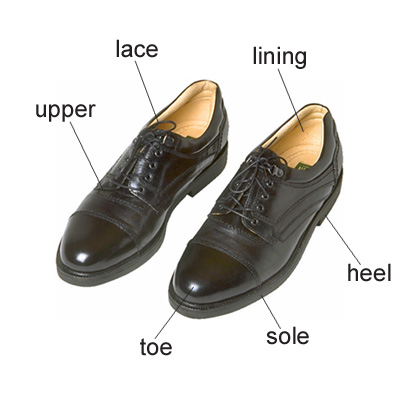 something that you wear to cover your feet, made of leather or some other strong material穿在脚上以覆盖双脚的物品,由皮革或其他坚固材料制成algo que se lleva para cubrir los pies, hecho de cuero u otro material resistentealgo que se usa para cobrir os pés, feito de couro ou outro material resistente足を覆うために履くもの。革またはその他の丈夫な素材でできている발을 덮기 위해 신는 것으로, 가죽이나 다른 튼튼한 소재로 만들어짐:
  I sat down and took off my shoes and socks.我坐下来脱掉了鞋子和袜子。Me senté y me quité los zapatos y los calcetines.Sentei e tirei os sapatos e as meias.私は座って靴と靴下を脱いだ。나는 앉아서 신발과 양말을 벗었다. What size shoe do you take?你穿几码的鞋?¿Qué número de zapato usas?Qual é o seu número de sapato?靴のサイズはいくつですか?신발 사이즈가 몇이에요? → boot1(1), sandal, slipper2in somebody’s shoes in someone else’s situation, especially a bad one处于他人(尤指不利)的处境en la situación de otra persona, especialmente una mala situaciónna situação de outra pessoa, especialmente uma situação ruim他人の(特に悪い)状況に置かれて다른 사람의 처지에(특히 좋지 않은 상황에) 처하여: I wouldn’t like to be in his shoes when his wife finds out what happened.他妻子发现发生了什么事时,我可不想处在他的位置。No me gustaría estar en su lugar cuando su esposa descubra lo que pasó.Eu não gostaria de estar no lugar dele quando a esposa descobrir o que aconteceu.彼の妻が何が起きたかを知ったとき、彼の立場にはなりたくない。그의 아내가 무슨 일이 있었는지 알게 됐을 때 그의 입장이 되고 싶지 않다. Anyone in her shoes would have done the same thing.换了谁处在她的处境,都会做出同样的事。Cualquiera en su lugar habría hecho lo mismo.Qualquer pessoa no lugar dela teria feito a mesma coisa.彼女の立場なら、誰でも同じことをしたでしょう。그녀의 입장이었다면 누구든 같은 행동을 했을 것이다. Don’t be cross with them. Try to put yourself in their shoes (=imagine what it would feel like to be in their situation).别对他们生气。试着设身处地为他们想想(=想象一下处于他们的处境是什么感觉)。No te enfades con ellos. Intenta ponerte en su lugar (=imagina cómo te sentirías en su situación).Não fique bravo com eles. Tente se colocar no lugar deles (=imagine como seria estar na situação deles).彼らに腹を立てないで。彼らの立場に立って考えてみて(=自分が彼らの状況にいたらどんな感じかを想像すること)。그들에게 화내지 마세요. 그들의 입장이 되어보려 노력해 보세요(=그들의 상황에 처했을 때 어떤 기분일지 상상해 보는 것).3step into/fill somebody’s shoes to do a job that someone else used to do, and do it as well as they did接替他人的工作,并做得同样出色desempeñar el trabajo que hacía otra persona, y hacerlo igual de bienassumir a função de outra pessoa e desempenhá-la tão bem quanto ela他の人がしていた仕事を引き継ぎ、同様にうまくこなす다른 사람이 하던 일을 맡아 그만큼 잘 해내다: It’ll be hard to find someone to fill Pete’s shoes.要找到一个能接替 Pete 的人并不容易。Será difícil encontrar a alguien que ocupe el lugar de Pete.Vai ser difícil encontrar alguém para ocupar o lugar de Pete.Peteの後を継ぐ人を見つけるのは難しいだろう。Pete의 빈자리를 채울 사람을 찾기는 어려울 것이다.4a curved piece of iron that is nailed onto a horse’s foot钉在马蹄上的弧形铁片pieza curva de hierro que se clava en el casco de un caballopeça curva de ferro pregada no casco de um cavalo馬の蹄に釘で打ちつける湾曲した鉄片말의 발굽에 못으로 박는 굽은 철 조각 SYN horseshoe → if the shoe fits, (wear it) at fit1(8)COLLOCATIONS词语搭配COLOCACIONESCOLOCAÇÕESコロケーション연어verbs动词verbosverbos動詞동사wear shoes· He was wearing smart black shoes.· 他穿着一双漂亮的黑色皮鞋。· Llevaba unos elegantes zapatos negros.· Ele estava usando sapatos pretos elegantes.· 彼はきちんとした黒い靴を履いていた。· 그는 말쑥한 검은 신발을 신고 있었다.put your shoes on· Put your shoes on and get your coat.· 穿上鞋,去拿你的外套。· Ponte los zapatos y coge tu abrigo.· Calce os sapatos e pegue seu casaco.· 靴を履いてコートを持ってきなさい。· 신발을 신고 코트를 가져오세요.take your shoes off· They took off their shoes in the hallway.· 他们在走廊脱掉了鞋子。· Se quitaron los zapatos en el pasillo.· Eles tiraram os sapatos no corredor.· 彼らは廊下で靴を脱いだ。· 그들은 복도에서 신발을 벗었다.tie your shoes· He tied his shoes in a double knot.· 他把鞋带打了个双结。· Se ató los zapatos con un doble nudo.· Ele amarrou os sapatos com um nó duplo.· 彼は靴ひもを二重結びにした。· 그는 신발 끈을 이중 매듭으로 묶었다.slip your shoes on/off (=put them on or take them off quickly or gently)· She slipped off her shoes and curled her feet up under her on the sofa.· 她滑脱鞋子,将双脚蜷缩在身下坐在沙发上。· Se quitó los zapatos suavemente y se sentó en el sofá con los pies recogidos bajo el cuerpo.· Ela tirou os sapatos e sentou no sofá com os pés encolhidos sob o corpo.· 彼女は靴をすっと脱いで、ソファで足を体の下に丸めた。· 그녀는 신발을 벗고 소파에서 발을 몸 아래로 구부리고 앉았다.kick your shoes off (=take them off by moving your legs)· Maria kicked off her shoes and sat down.· Maria 踢掉鞋子坐了下来。· Maria se quitó los zapatos de un puntapié y se sentó.· Maria chutou os sapatos para o lado e sentou.· Mariaは靴を蹴り脱いで座った。· Maria는 신발을 발로 차서 벗고 앉았다.clean/polish your shoes· We used to clean our shoes every evening before we went to bed.· 我们过去每天晚上睡前都会擦鞋。· Antes limpiábamos los zapatos cada noche antes de acostarnos.· Costumávamos limpar os sapatos toda noite antes de dormir.· 私たちはかつて毎晩寝る前に靴を磨いていた。· 우리는 예전에 매일 저녁 자기 전에 신발을 닦곤 했다.ADJECTIVES/NOUN + shoe形容词/名词 + shoeADJETIVOS/SUSTANTIVO + shoeADJETIVOS/SUBSTANTIVO + shoe形容詞/名詞 + shoe형용사/명사 + shoeblack/brown etc· Her shoes and handbag were brown.· 她的鞋子和手提包是棕色的。· Sus zapatos y su bolso eran marrones.· Os sapatos e a bolsa dela eram marrons.· 彼女の靴とハンドバッグは茶色だった。· 그녀의 신발과 핸드백은 갈색이었다.high-heeled shoes· You can’t walk round town all day in high-heeled shoes!· 你不能穿着高跟鞋在城里逛一整天!· ¡No puedes pasarte todo el día andando por la ciudad con zapatos de tacón!· Você não pode ficar andando pela cidade o dia todo de sapato de salto alto!· ハイヒールで一日中街を歩き回ることはできませんよ!· 하이힐을 신고 하루 종일 시내를 돌아다닐 수는 없어요!sensible shoes (=flat shoes that are not very fashionable)· They were the kind of sensible shoes my mother used to make me wear.· 这正是我母亲以前常让我穿的那种实用鞋。· Eran el tipo de zapatos prácticos que mi madre solía hacerme llevar.· Eram o tipo de sapato sensato que minha mãe sempre me obrigava a usar.· それは母がかつて私に履かせていた、実用的な靴の一種だった。· 그것은 엄마가 항상 나에게 신기곤 했던 실용적인 신발 종류였다.flat shoes (=with no high heel)· Flat shoes are much more comfortable for walking in.· 平底鞋走路时舒服多了。· Los zapatos planos son mucho más cómodos para caminar.· Sapatos rasos são muito mais confortáveis para caminhar.· フラットシューズは歩くのにずっと楽だ。· 플랫 슈즈는 걷기에 훨씬 더 편하다.platform shoes (=with a thick base)· I found an old pair of platform shoes from the 1970s.· 我找到了一双20世纪70年代的旧厚底鞋。· Encontré un viejo par de zapatos de plataforma de los años 70.· Encontrei um velho par de sapatos plataforma dos anos 1970.· 1970年代の古いプラットフォームシューズを一足見つけた。· 1970년대의 낡은 플랫폼 슈즈 한 켤레를 발견했다.lace-up shoes (=fastened with laces)· He bought a pair of brown leather lace-up shoes.· 他买了一双棕色皮质系带鞋。· Compró un par de zapatos marrones de cuero con cordones.· Ele comprou um par de sapatos marrons de couro com cadarço.· 彼は茶色い革のひも靴を一足買った。· 그는 갈색 가죽 끈 묶음 구두 한 켤레를 샀다.leather/suede shoes· a pair of dark leather shoes· 一双深色皮鞋· un par de zapatos de cuero oscuro· um par de sapatos de couro escuro· 暗い色の革靴一足· 짙은 색 가죽 신발 한 켤레running/jogging/training etc shoes· Get yourself a good pair of running shoes if you want to take up running.· 如果你想开始跑步,就给自己买一双好的跑鞋。· Cómprate un buen par de zapatillas de correr si quieres empezar a correr.· Compre um bom par de tênis de corrida se quiser começar a correr.· ランニングを始めたいなら、良いランニングシューズを一足手に入れなさい。· 달리기를 시작하고 싶다면 좋은 러닝화 한 켤레를 사세요.phrases短语fraseslocuçõesフレーズ구a pair of shoes· I need a new pair of shoes.· 我需要一双新鞋。· Necesito un par de zapatos nuevos.· Preciso de um par de sapatos novos.· 新しい靴が一足必要だ。· 새 신발 한 켤레가 필요하다.shoe + NOUNshoe + 名词shoe + SUSTANTIVOshoe + SUBSTANTIVOshoe + 名詞shoe + 명사a shoe shop British English, a shoe store American Englishshoe polishshoe lacesCOMMON ERRORS常见错误ERRORES FRECUENTESERROS COMUNSよくある誤り흔한 오류 ► Don’t say ‘put off your shoes’. Say take off your shoes.
1something that you wear to cover your feet, made of leather or some other strong material穿在脚上以覆盖双脚的物品,由皮革或其他坚固材料制成algo que se lleva para cubrir los pies, hecho de cuero u otro material resistentealgo que se usa para cobrir os pés, feito de couro ou outro material resistente足を覆うために履くもの。革またはその他の丈夫な素材でできている발을 덮기 위해 신는 것으로, 가죽이나 다른 튼튼한 소재로 만들어짐: I sat down and took off my shoes and socks.我坐下来脱掉了鞋子和袜子。Me senté y me quité los zapatos y los calcetines.Sentei e tirei os sapatos e as meias.私は座って靴と靴下を脱いだ。나는 앉아서 신발과 양말을 벗었다. What size shoe do you take?你穿几码的鞋?¿Qué número de zapato usas?Qual é o seu número de sapato?靴のサイズはいくつですか?신발 사이즈가 몇이에요? → boot1(1), sandal, slipper2in somebody’s shoes in someone else’s situation, especially a bad one处于他人(尤指不利)的处境en la situación de otra persona, especialmente una mala situaciónna situação de outra pessoa, especialmente uma situação ruim他人の(特に悪い)状況に置かれて다른 사람의 처지에(특히 좋지 않은 상황에) 처하여: I wouldn’t like to be in his shoes when his wife finds out what happened.他妻子发现发生了什么事时,我可不想处在他的位置。No me gustaría estar en su lugar cuando su esposa descubra lo que pasó.Eu não gostaria de estar no lugar dele quando a esposa descobrir o que aconteceu.彼の妻が何が起きたかを知ったとき、彼の立場にはなりたくない。그의 아내가 무슨 일이 있었는지 알게 됐을 때 그의 입장이 되고 싶지 않다. Anyone in her shoes would have done the same thing.换了谁处在她的处境,都会做出同样的事。Cualquiera en su lugar habría hecho lo mismo.Qualquer pessoa no lugar dela teria feito a mesma coisa.彼女の立場なら、誰でも同じことをしたでしょう。그녀의 입장이었다면 누구든 같은 행동을 했을 것이다. Don’t be cross with them. Try to put yourself in their shoes (=imagine what it would feel like to be in their situation).别对他们生气。试着设身处地为他们想想(=想象一下处于他们的处境是什么感觉)。No te enfades con ellos. Intenta ponerte en su lugar (=imagina cómo te sentirías en su situación).Não fique bravo com eles. Tente se colocar no lugar deles (=imagine como seria estar na situação deles).彼らに腹を立てないで。彼らの立場に立って考えてみて(=自分が彼らの状況にいたらどんな感じかを想像すること)。그들에게 화내지 마세요. 그들의 입장이 되어보려 노력해 보세요(=그들의 상황에 처했을 때 어떤 기분일지 상상해 보는 것).3step into/fill somebody’s shoes to do a job that someone else used to do, and do it as well as they did接替他人的工作,并做得同样出色desempeñar el trabajo que hacía otra persona, y hacerlo igual de bienassumir a função de outra pessoa e desempenhá-la tão bem quanto ela他の人がしていた仕事を引き継ぎ、同様にうまくこなす다른 사람이 하던 일을 맡아 그만큼 잘 해내다: It’ll be hard to find someone to fill Pete’s shoes.要找到一个能接替 Pete 的人并不容易。Será difícil encontrar a alguien que ocupe el lugar de Pete.Vai ser difícil encontrar alguém para ocupar o lugar de Pete.Peteの後を継ぐ人を見つけるのは難しいだろう。Pete의 빈자리를 채울 사람을 찾기는 어려울 것이다.4a curved piece of iron that is nailed onto a horse’s foot钉在马蹄上的弧形铁片pieza curva de hierro que se clava en el casco de un caballopeça curva de ferro pregada no casco de um cavalo馬の蹄に釘で打ちつける湾曲した鉄片말의 발굽에 못으로 박는 굽은 철 조각 SYN horseshoe → if the shoe fits, (wear it) at fit1(8)COLLOCATIONS词语搭配COLOCACIONESCOLOCAÇÕESコロケーション연어verbs动词verbosverbos動詞동사wear shoes· He was wearing smart black shoes.· 他穿着一双漂亮的黑色皮鞋。· Llevaba unos elegantes zapatos negros.· Ele estava usando sapatos pretos elegantes.· 彼はきちんとした黒い靴を履いていた。· 그는 말쑥한 검은 신발을 신고 있었다.put your shoes on· Put your shoes on and get your coat.· 穿上鞋,去拿你的外套。· Ponte los zapatos y coge tu abrigo.· Calce os sapatos e pegue seu casaco.· 靴を履いてコートを持ってきなさい。· 신발을 신고 코트를 가져오세요.take your shoes off· They took off their shoes in the hallway.· 他们在走廊脱掉了鞋子。· Se quitaron los zapatos en el pasillo.· Eles tiraram os sapatos no corredor.· 彼らは廊下で靴を脱いだ。· 그들은 복도에서 신발을 벗었다.tie your shoes· He tied his shoes in a double knot.· 他把鞋带打了个双结。· Se ató los zapatos con un doble nudo.· Ele amarrou os sapatos com um nó duplo.· 彼は靴ひもを二重結びにした。· 그는 신발 끈을 이중 매듭으로 묶었다.slip your shoes on/off (=put them on or take them off quickly or gently)· She slipped off her shoes and curled her feet up under her on the sofa.· 她滑脱鞋子,将双脚蜷缩在身下坐在沙发上。· Se quitó los zapatos suavemente y se sentó en el sofá con los pies recogidos bajo el cuerpo.· Ela tirou os sapatos e sentou no sofá com os pés encolhidos sob o corpo.· 彼女は靴をすっと脱いで、ソファで足を体の下に丸めた。· 그녀는 신발을 벗고 소파에서 발을 몸 아래로 구부리고 앉았다.kick your shoes off (=take them off by moving your legs)· Maria kicked off her shoes and sat down.· Maria 踢掉鞋子坐了下来。· Maria se quitó los zapatos de un puntapié y se sentó.· Maria chutou os sapatos para o lado e sentou.· Mariaは靴を蹴り脱いで座った。· Maria는 신발을 발로 차서 벗고 앉았다.clean/polish your shoes· We used to clean our shoes every evening before we went to bed.· 我们过去每天晚上睡前都会擦鞋。· Antes limpiábamos los zapatos cada noche antes de acostarnos.· Costumávamos limpar os sapatos toda noite antes de dormir.· 私たちはかつて毎晩寝る前に靴を磨いていた。· 우리는 예전에 매일 저녁 자기 전에 신발을 닦곤 했다.ADJECTIVES/NOUN + shoe形容词/名词 + shoeADJETIVOS/SUSTANTIVO + shoeADJETIVOS/SUBSTANTIVO + shoe形容詞/名詞 + shoe형용사/명사 + shoeblack/brown etc· Her shoes and handbag were brown.· 她的鞋子和手提包是棕色的。· Sus zapatos y su bolso eran marrones.· Os sapatos e a bolsa dela eram marrons.· 彼女の靴とハンドバッグは茶色だった。· 그녀의 신발과 핸드백은 갈색이었다.high-heeled shoes· You can’t walk round town all day in high-heeled shoes!· 你不能穿着高跟鞋在城里逛一整天!· ¡No puedes pasarte todo el día andando por la ciudad con zapatos de tacón!· Você não pode ficar andando pela cidade o dia todo de sapato de salto alto!· ハイヒールで一日中街を歩き回ることはできませんよ!· 하이힐을 신고 하루 종일 시내를 돌아다닐 수는 없어요!sensible shoes (=flat shoes that are not very fashionable)· They were the kind of sensible shoes my mother used to make me wear.· 这正是我母亲以前常让我穿的那种实用鞋。· Eran el tipo de zapatos prácticos que mi madre solía hacerme llevar.· Eram o tipo de sapato sensato que minha mãe sempre me obrigava a usar.· それは母がかつて私に履かせていた、実用的な靴の一種だった。· 그것은 엄마가 항상 나에게 신기곤 했던 실용적인 신발 종류였다.flat shoes (=with no high heel)· Flat shoes are much more comfortable for walking in.· 平底鞋走路时舒服多了。· Los zapatos planos son mucho más cómodos para caminar.· Sapatos rasos são muito mais confortáveis para caminhar.· フラットシューズは歩くのにずっと楽だ。· 플랫 슈즈는 걷기에 훨씬 더 편하다.platform shoes (=with a thick base)· I found an old pair of platform shoes from the 1970s.· 我找到了一双20世纪70年代的旧厚底鞋。· Encontré un viejo par de zapatos de plataforma de los años 70.· Encontrei um velho par de sapatos plataforma dos anos 1970.· 1970年代の古いプラットフォームシューズを一足見つけた。· 1970년대의 낡은 플랫폼 슈즈 한 켤레를 발견했다.lace-up shoes (=fastened with laces)· He bought a pair of brown leather lace-up shoes.· 他买了一双棕色皮质系带鞋。· Compró un par de zapatos marrones de cuero con cordones.· Ele comprou um par de sapatos marrons de couro com cadarço.· 彼は茶色い革のひも靴を一足買った。· 그는 갈색 가죽 끈 묶음 구두 한 켤레를 샀다.leather/suede shoes· a pair of dark leather shoes· 一双深色皮鞋· un par de zapatos de cuero oscuro· um par de sapatos de couro escuro· 暗い色の革靴一足· 짙은 색 가죽 신발 한 켤레running/jogging/training etc shoes· Get yourself a good pair of running shoes if you want to take up running.· 如果你想开始跑步,就给自己买一双好的跑鞋。· Cómprate un buen par de zapatillas de correr si quieres empezar a correr.· Compre um bom par de tênis de corrida se quiser começar a correr.· ランニングを始めたいなら、良いランニングシューズを一足手に入れなさい。· 달리기를 시작하고 싶다면 좋은 러닝화 한 켤레를 사세요.phrases短语fraseslocuçõesフレーズ구a pair of shoes· I need a new pair of shoes.· 我需要一双新鞋。· Necesito un par de zapatos nuevos.· Preciso de um par de sapatos novos.· 新しい靴が一足必要だ。· 새 신발 한 켤레가 필요하다.shoe + NOUNshoe + 名词shoe + SUSTANTIVOshoe + SUBSTANTIVOshoe + 名詞shoe + 명사a shoe shop British English, a shoe store American Englishshoe polishshoe lacesCOMMON ERRORS常见错误ERRORES FRECUENTESERROS COMUNSよくある誤り흔한 오류 ► Don’t say ‘put off your shoes’. Say take off your shoes.shoeshoe2 verb (past tense and past participle shod /ʃɒd $ ʃɑːd/, present participle shoeing) [transitive] to put a horseshoe on a horse给马钉马蹄铁poner una herradura a un caballocolocar ferradura em um cavalo馬に蹄鉄をつける말에 편자를 박다: We took the horses to be shod.我们把马牵去钉了马蹄铁。Llevamos los caballos a que les pusieran las herraduras.Levamos os cavalos para ferrar.私たちは馬に蹄鉄を打ってもらいに連れて行った。우리는 말들을 편자를 박으러 데려갔다. → shod
to put a horseshoe on a horse给马钉马蹄铁poner una herradura a un caballocolocar ferradura em um cavalo馬に蹄鉄をつける말에 편자를 박다: We took the horses to be shod.我们把马牵去钉了马蹄铁。Llevamos los caballos a que les pusieran las herraduras.Levamos os cavalos para ferrar.私たちは馬に蹄鉄を打ってもらいに連れて行った。우리는 말들을 편자를 박으러 데려갔다. → shod