
baby의 영어 뜻
babybaby1 /ˈbeɪbi/ noun (plural babies) [countable] 
 모든 번역 보기1
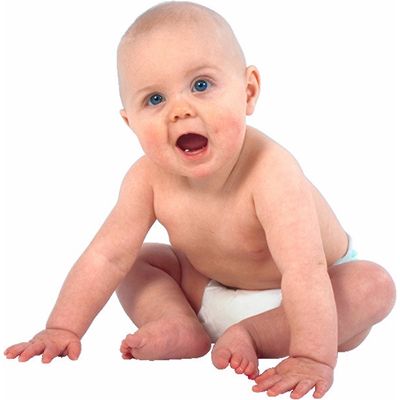 young child a very young child who has not yet learned to speak or walk아직 말하거나 걷는 것을 배우지 못한 아주 어린 아이:
  The baby is crying.아기가 울고 있다. She gave birth to a baby on Thursday.그녀는 목요일에 아기를 낳았다. What do you think of your new baby sister?새로 태어난 아기 여동생은 어때? → test-tube baby2young animal a very young animal아주 어린 동물; 새끼: baby birds아기 새; 새끼 새3vegetable a type of vegetable which is grown to be much smaller than usual or is eaten before it has grown to its normal size보통보다 훨씬 작게 재배되거나 정상 크기로 자라기 전에 먹는 채소: baby carrots베이비 당근 baby sweetcorn베이비 옥수수4youngest a younger child in a family, often the youngest가족 중 나이가 어린 아이, 흔히 막내: Clare is the baby of the family.Clare는 집안의 막내다.5woman spoken구어 a)used to address someone that you love사랑하는 사람을 부를 때 사용함: · Relax, baby – we’re on holiday.· 긴장 풀어, 자기야 — 우리 휴가 중이잖아. b) not polite공손하지 않음 used to address a young woman that you do not know모르는 젊은 여성을 부를 때 사용함6silly person someone, especially an older child, who is not behaving in a brave way용감하게 행동하지 않는 사람, 특히 나이 든 아이: Don’t be a baby!겁쟁이처럼 굴지 마!7responsibility something special that someone has developed or is responsible for누군가가 개발하거나 담당하는 특별한 것: Don’t ask me about the building contract – that’s Robert’s baby.건설 계약에 대해서는 나한테 묻지 마 — 그건 Robert 담당이야.8thing informal비격식 something, especially a piece of equipment or a machine, that you care about a lot매우 아끼는 것, 특히 장비나 기계: This baby can reach speeds of 130 miles per hour.이 녀석은 시속 130마일까지 낼 수 있어. → throw the baby out with the bathwater at throw1(37)COLLOCATIONS연어verbs동사a baby is born· Let me know as soon as the baby is born.· 아기가 태어나는 즉시 알려 줘.have a baby/give birth to a baby· She had the baby at home.· 그녀는 집에서 아기를 낳았다.· Sue gave birth to a baby boy.· Sue는 사내아이를 낳았다.be expecting a baby (=be pregnant)· My wife’s expecting a baby.· 내 아내는 임신 중이다.a baby is due (=is expected to be born)· When is your baby due?· 아기 출산 예정일이 언제예요?lose a baby (=have a baby that dies when it is born too soon)· She was three months pregnant when she lost the baby.· 그녀는 임신 3개월에 아기를 잃었다.deliver a baby (=help a woman to give birth to a baby)· Usually your baby will be delivered by a midwife.· 보통은 조산사가 아기를 받아 줄 것입니다.abandon a baby (=leave your baby somewhere because you do not want it)· A disturbing number of babies are abandoned by their mothers.· 우려스러울 만큼 많은 아기가 어머니에게 버려지고 있다.feed a baby· If your baby cries, she may want feeding.· 아기가 울면 젖을 먹고 싶은 것일 수 있다.breast-feed a baby· 63% of new mothers breast-feed their babies.· 새 엄마의 63%가 아기에게 모유 수유를 한다.change a baby (=change its nappy)· Could you change the baby for me?· 아기 기저귀 좀 갈아 주실 수 있어요?adjectives형용사a newborn baby· There’s plenty of help and advice for people with newborn babies.· 신생아를 둔 사람들을 위한 도움과 조언이 많이 있다.an unborn baby (=not yet born)· Drinking alcohol is bad for your unborn baby.· 음주는 태어나지 않은 아기에게 해롭다.a premature baby (=born before the normal time)· Lesley’s baby was three weeks premature.· Lesley의 아기는 3주 조산이었다.an abandoned baby (=left somewhere by a mother who does not want it)· The abandoned baby was found under a hedge.· 버려진 아기가 산울타리 아래에서 발견되었다.an illegitimate baby (=born to an unmarried mother)· The number of illegitimate babies is rising.· 혼외 출생아 수가 증가하고 있다.an unwanted baby· Unwanted babies were frequently abandoned in the streets.· 원하지 않는 아기들이 자주 거리에 버려졌다.a contented baby· Danielle was a lovely contented baby.· Danielle은 사랑스럽고 만족스러운 아기였다.baby + NOUNbaby + 명사a baby boy/girl· She’s just had a lovely healthy baby girl.· 그녀는 방금 사랑스럽고 건강한 여자아이를 낳았다.a baby son/daughter/brother/sister· We’d like a baby brother or sister for Ben.· Ben에게 남동생이나 여동생을 만들어 주고 싶다.baby clothes/foodCOMMON ERRORS흔한 오류 ► Don’t say ‘she is waiting a baby’. Say she is expecting a baby.THESAURUS유의어baby a very young child who has not yet learned to speak or walk아직 말하거나 걷는 것을 배우지 못한 아주 어린 아이: · I sat next to a woman holding a baby.· 나는 아기를 안고 있는 여성 옆에 앉았다.toddler a baby who has learned how to walk걷는 것을 배운 아기; 아장아장 걷는 유아: · The playground has a special area for toddlers.· 그 놀이터에는 아장아장 걷는 유아를 위한 특별 구역이 있다.infant formal격식체 a baby or a very young child아기 또는 아주 어린 아이: · The disease is mainly found in infants.· 그 병은 주로 영유아에게서 발견된다.little one spoken구어 informal비격식 a baby, or a small child up to the age of about three아기 또는 약 세 살까지의 어린아이: · How old is your little one?· 아이가 몇 살이에요?young the babies of an animal or bird동물이나 새의 새끼: · Kangaroos carry their young in a pouch.· 캥거루는 새끼를 주머니에 넣어 데리고 다닌다.litter a group of baby animals that are born at the same time to the same mother같은 어미에게서 동시에 태어난 새끼 동물들의 무리: · Our cat has just had a litter of six kittens.· 우리 고양이가 방금 새끼 고양이 여섯 마리를 낳았다.
모든 번역 보기1young child a very young child who has not yet learned to speak or walk아직 말하거나 걷는 것을 배우지 못한 아주 어린 아이: The baby is crying.아기가 울고 있다. She gave birth to a baby on Thursday.그녀는 목요일에 아기를 낳았다. What do you think of your new baby sister?새로 태어난 아기 여동생은 어때? → test-tube baby2young animal a very young animal아주 어린 동물; 새끼: baby birds아기 새; 새끼 새3vegetable a type of vegetable which is grown to be much smaller than usual or is eaten before it has grown to its normal size보통보다 훨씬 작게 재배되거나 정상 크기로 자라기 전에 먹는 채소: baby carrots베이비 당근 baby sweetcorn베이비 옥수수4youngest a younger child in a family, often the youngest가족 중 나이가 어린 아이, 흔히 막내: Clare is the baby of the family.Clare는 집안의 막내다.5woman spoken구어 a)used to address someone that you love사랑하는 사람을 부를 때 사용함: · Relax, baby – we’re on holiday.· 긴장 풀어, 자기야 — 우리 휴가 중이잖아. b) not polite공손하지 않음 used to address a young woman that you do not know모르는 젊은 여성을 부를 때 사용함6silly person someone, especially an older child, who is not behaving in a brave way용감하게 행동하지 않는 사람, 특히 나이 든 아이: Don’t be a baby!겁쟁이처럼 굴지 마!7responsibility something special that someone has developed or is responsible for누군가가 개발하거나 담당하는 특별한 것: Don’t ask me about the building contract – that’s Robert’s baby.건설 계약에 대해서는 나한테 묻지 마 — 그건 Robert 담당이야.8thing informal비격식 something, especially a piece of equipment or a machine, that you care about a lot매우 아끼는 것, 특히 장비나 기계: This baby can reach speeds of 130 miles per hour.이 녀석은 시속 130마일까지 낼 수 있어. → throw the baby out with the bathwater at throw1(37)COLLOCATIONS연어verbs동사a baby is born· Let me know as soon as the baby is born.· 아기가 태어나는 즉시 알려 줘.have a baby/give birth to a baby· She had the baby at home.· 그녀는 집에서 아기를 낳았다.· Sue gave birth to a baby boy.· Sue는 사내아이를 낳았다.be expecting a baby (=be pregnant)· My wife’s expecting a baby.· 내 아내는 임신 중이다.a baby is due (=is expected to be born)· When is your baby due?· 아기 출산 예정일이 언제예요?lose a baby (=have a baby that dies when it is born too soon)· She was three months pregnant when she lost the baby.· 그녀는 임신 3개월에 아기를 잃었다.deliver a baby (=help a woman to give birth to a baby)· Usually your baby will be delivered by a midwife.· 보통은 조산사가 아기를 받아 줄 것입니다.abandon a baby (=leave your baby somewhere because you do not want it)· A disturbing number of babies are abandoned by their mothers.· 우려스러울 만큼 많은 아기가 어머니에게 버려지고 있다.feed a baby· If your baby cries, she may want feeding.· 아기가 울면 젖을 먹고 싶은 것일 수 있다.breast-feed a baby· 63% of new mothers breast-feed their babies.· 새 엄마의 63%가 아기에게 모유 수유를 한다.change a baby (=change its nappy)· Could you change the baby for me?· 아기 기저귀 좀 갈아 주실 수 있어요?adjectives형용사a newborn baby· There’s plenty of help and advice for people with newborn babies.· 신생아를 둔 사람들을 위한 도움과 조언이 많이 있다.an unborn baby (=not yet born)· Drinking alcohol is bad for your unborn baby.· 음주는 태어나지 않은 아기에게 해롭다.a premature baby (=born before the normal time)· Lesley’s baby was three weeks premature.· Lesley의 아기는 3주 조산이었다.an abandoned baby (=left somewhere by a mother who does not want it)· The abandoned baby was found under a hedge.· 버려진 아기가 산울타리 아래에서 발견되었다.an illegitimate baby (=born to an unmarried mother)· The number of illegitimate babies is rising.· 혼외 출생아 수가 증가하고 있다.an unwanted baby· Unwanted babies were frequently abandoned in the streets.· 원하지 않는 아기들이 자주 거리에 버려졌다.a contented baby· Danielle was a lovely contented baby.· Danielle은 사랑스럽고 만족스러운 아기였다.baby + NOUNbaby + 명사a baby boy/girl· She’s just had a lovely healthy baby girl.· 그녀는 방금 사랑스럽고 건강한 여자아이를 낳았다.a baby son/daughter/brother/sister· We’d like a baby brother or sister for Ben.· Ben에게 남동생이나 여동생을 만들어 주고 싶다.baby clothes/foodCOMMON ERRORS흔한 오류 ► Don’t say ‘she is waiting a baby’. Say she is expecting a baby.THESAURUS유의어baby a very young child who has not yet learned to speak or walk아직 말하거나 걷는 것을 배우지 못한 아주 어린 아이: · I sat next to a woman holding a baby.· 나는 아기를 안고 있는 여성 옆에 앉았다.toddler a baby who has learned how to walk걷는 것을 배운 아기; 아장아장 걷는 유아: · The playground has a special area for toddlers.· 그 놀이터에는 아장아장 걷는 유아를 위한 특별 구역이 있다.infant formal격식체 a baby or a very young child아기 또는 아주 어린 아이: · The disease is mainly found in infants.· 그 병은 주로 영유아에게서 발견된다.little one spoken구어 informal비격식 a baby, or a small child up to the age of about three아기 또는 약 세 살까지의 어린아이: · How old is your little one?· 아이가 몇 살이에요?young the babies of an animal or bird동물이나 새의 새끼: · Kangaroos carry their young in a pouch.· 캥거루는 새끼를 주머니에 넣어 데리고 다닌다.litter a group of baby animals that are born at the same time to the same mother같은 어미에게서 동시에 태어난 새끼 동물들의 무리: · Our cat has just had a litter of six kittens.· 우리 고양이가 방금 새끼 고양이 여섯 마리를 낳았다.