
tail の英語での意味
tailtail1 /teɪl/ noun [countable] 
 すべての翻訳を見る1
 animal the part that sticks out at the back of an animal’s body, and that it can move動物の体の後部から突き出た、動かすことのできる部分:
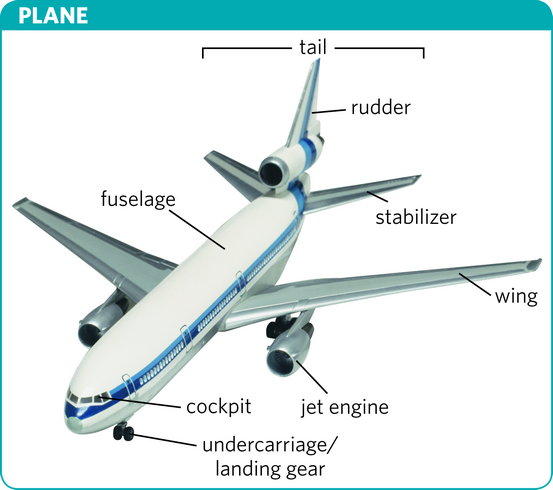
  The dog wagged its tail.犬は尻尾を振った。white-tailed/long-tailed etc a white-tailed eagleオジロワシ2aircraft the back part of an aircraft航空機の後部3shirt the bottom part of your shirt at the back, that you put inside your trousersシャツの後ろ裾の部分(ズボンの中に入れる部分)4back part [usually singular] the back or last part of something, especially something that is moving away from you何かの後部または最後尾、特に自分から遠ざかっていくものの: We saw the tail of the procession disappearing round the corner.行列の最後尾が角を曲がって消えていくのが見えた。5tails a)[plural] a man’s jacket which is short at the front and divides into two long pieces at the back, worn to very formal events男性用の上着で、前が短く後ろが二股に長く分かれており、非常に格式のある場で着用する SYN tailcoat b)[uncountable] spoken話し言葉 said when you are tossing a coin (=throwing it up in the air to decide which of two things you will do or choose)コインを投げる(=どちらにするかを決めるためにコインを空中に投げる)ときに言う言葉 OPP heads6the tail end of something the last part of an event, situation, or period of time出来事・状況・期間の最終段階7be on somebody’s tail informalインフォーマル to be following someone closely誰かの後をぴったりとつける8follow informalインフォーマル someone who is employed to watch and follow someone, especially a criminal特定の人物(とりわけ犯罪者)を監視・尾行するために雇われた人put a tail on somebody (=order someone to follow another person)(=誰かに別の人を尾行させるよう命じる)9turn tail informalインフォーマル to run away because you are too frightened to fight or attack戦ったり攻撃したりするのが怖くて逃げ出す10with your tail between your legs embarrassed or unhappy because you have failed or been defeated失敗したり負けたりして恥ずかしい、または惨めな気持ちである11it’s (a case of) the tail wagging the dog informalインフォーマル used to say that an unimportant thing is wrongly controlling a situation重要でないものが誤って状況を支配しているということを表すのに使う12chase tail American English informalインフォーマル to try to get a woman to have sex with you女性をセックスに誘おうとするCOLLOCATIONSコロケーションadjectives形容詞long· Some dinosaurs had long necks and equally long tails.· 首が長く、尾もそれと同じくらい長い恐竜もいた。short· Its tail is short and pointed.· その尾は短くとがっている。bushy (=with long thick fur)· My cat has a soft bushy tail.· 私の猫は柔らかくふさふさした尾を持っている。a prehensile tail technical専門語 (=able to hold things)· Many monkeys have prehensile tails.· 多くのサルは物をつかんだり巻きついたりできる尾を持っている。verbs動詞a dog wags its tail/its tail wags· Domino rushed to meet her, tail wagging with excitement.· ドミノは興奮して尻尾を振りながら、彼女を迎えに駆け寄った。a cow/cat etc swishes its tail (=quickly moves it from side to side)· The cow wandered off, swishing her tail.· 牛は尻尾をひらひらと振りながら歩き去った。tail + NOUNtail + 名詞tail feathers· The bird’s wings and tail feathers were a beautiful purple color.· その鳥の翼と尾羽は美しい紫色だった。COMMON ERRORSよくある誤り ► Don’t say ‘wave its tail’ or ‘shake its tail’. Say wag its tail.
すべての翻訳を見る1animal the part that sticks out at the back of an animal’s body, and that it can move動物の体の後部から突き出た、動かすことのできる部分: The dog wagged its tail.犬は尻尾を振った。white-tailed/long-tailed etc a white-tailed eagleオジロワシ2aircraft the back part of an aircraft航空機の後部3shirt the bottom part of your shirt at the back, that you put inside your trousersシャツの後ろ裾の部分(ズボンの中に入れる部分)4back part [usually singular] the back or last part of something, especially something that is moving away from you何かの後部または最後尾、特に自分から遠ざかっていくものの: We saw the tail of the procession disappearing round the corner.行列の最後尾が角を曲がって消えていくのが見えた。5tails a)[plural] a man’s jacket which is short at the front and divides into two long pieces at the back, worn to very formal events男性用の上着で、前が短く後ろが二股に長く分かれており、非常に格式のある場で着用する SYN tailcoat b)[uncountable] spoken話し言葉 said when you are tossing a coin (=throwing it up in the air to decide which of two things you will do or choose)コインを投げる(=どちらにするかを決めるためにコインを空中に投げる)ときに言う言葉 OPP heads6the tail end of something the last part of an event, situation, or period of time出来事・状況・期間の最終段階7be on somebody’s tail informalインフォーマル to be following someone closely誰かの後をぴったりとつける8follow informalインフォーマル someone who is employed to watch and follow someone, especially a criminal特定の人物(とりわけ犯罪者)を監視・尾行するために雇われた人put a tail on somebody (=order someone to follow another person)(=誰かに別の人を尾行させるよう命じる)9turn tail informalインフォーマル to run away because you are too frightened to fight or attack戦ったり攻撃したりするのが怖くて逃げ出す10with your tail between your legs embarrassed or unhappy because you have failed or been defeated失敗したり負けたりして恥ずかしい、または惨めな気持ちである11it’s (a case of) the tail wagging the dog informalインフォーマル used to say that an unimportant thing is wrongly controlling a situation重要でないものが誤って状況を支配しているということを表すのに使う12chase tail American English informalインフォーマル to try to get a woman to have sex with you女性をセックスに誘おうとするCOLLOCATIONSコロケーションadjectives形容詞long· Some dinosaurs had long necks and equally long tails.· 首が長く、尾もそれと同じくらい長い恐竜もいた。short· Its tail is short and pointed.· その尾は短くとがっている。bushy (=with long thick fur)· My cat has a soft bushy tail.· 私の猫は柔らかくふさふさした尾を持っている。a prehensile tail technical専門語 (=able to hold things)· Many monkeys have prehensile tails.· 多くのサルは物をつかんだり巻きついたりできる尾を持っている。verbs動詞a dog wags its tail/its tail wags· Domino rushed to meet her, tail wagging with excitement.· ドミノは興奮して尻尾を振りながら、彼女を迎えに駆け寄った。a cow/cat etc swishes its tail (=quickly moves it from side to side)· The cow wandered off, swishing her tail.· 牛は尻尾をひらひらと振りながら歩き去った。tail + NOUNtail + 名詞tail feathers· The bird’s wings and tail feathers were a beautiful purple color.· その鳥の翼と尾羽は美しい紫色だった。COMMON ERRORSよくある誤り ► Don’t say ‘wave its tail’ or ‘shake its tail’. Say wag its tail.tailtail2 verb [transitive] informalインフォーマル to follow someone and watch what they do, where they go etc誰かの後をつけ、その行動や行き先などを監視する: The police have been tailing him for several months.警察は数ヶ月間、彼を尾行し続けている。► see thesaurus at followtail away phrasal verb British English to tail offtail offtail back phrasal verb British English if traffic tails back, a long line of cars forms, for example because the road is blocked道路が塞がれているなどの理由で、交通が後方へ長い車の列をなすtail off (also tail away British English) phrasal verb1to become gradually less, smaller etc, and often stop or disappear completely次第に少なくなる、小さくなるなどして、しばしば完全に止まったり消えたりする: Profits tailed off towards the end of the year.利益は年末に向けて次第に落ち込んだ。2written書き言葉 if someone’s voice tails off, it becomes quieter and then stops誰かの声がしだいに小さくなり、やがて止まる: ‘I didn’t mean ...’ Her voice tailed off in embarrassment.「そういうつもりじゃ……」彼女の声は恥ずかしさのあまりしだいに消えていった。
informalインフォーマル to follow someone and watch what they do, where they go etc誰かの後をつけ、その行動や行き先などを監視する: The police have been tailing him for several months.警察は数ヶ月間、彼を尾行し続けている。► see thesaurus at followtail away phrasal verb British English to tail offtail offtail back phrasal verb British English if traffic tails back, a long line of cars forms, for example because the road is blocked道路が塞がれているなどの理由で、交通が後方へ長い車の列をなすtail off (also tail away British English) phrasal verb1to become gradually less, smaller etc, and often stop or disappear completely次第に少なくなる、小さくなるなどして、しばしば完全に止まったり消えたりする: Profits tailed off towards the end of the year.利益は年末に向けて次第に落ち込んだ。2written書き言葉 if someone’s voice tails off, it becomes quieter and then stops誰かの声がしだいに小さくなり、やがて止まる: ‘I didn’t mean ...’ Her voice tailed off in embarrassment.「そういうつもりじゃ……」彼女の声は恥ずかしさのあまりしだいに消えていった。