
earthearth1 /ɜːθ $ ɜːrθ/ noun 
 1
1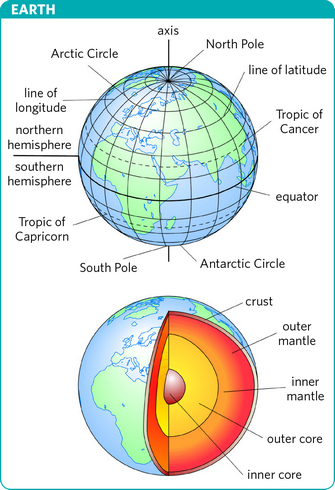 world (also Earth) [singular, uncountable] the planet that we live on我们居住的星球el planeta en que vivimoso planeta em que vivemos私たちが住む惑星우리가 사는 행성:
  the planet Earth地球el planeta Tierrao planeta Terra地球지구the Earth The Earth revolves around the Sun.地球绕太阳运转。La Tierra gira alrededor del Sol.A Terra gira ao redor do Sol.地球は太陽の周りを公転している。지구는 태양 주위를 공전한다.the Earth’s surface/atmosphere/crust etc 71% of the Earth’s surface is sea.地球表面的71%是海洋。El 71% de la superficie de la Tierra es mar.71% da superfície da Terra é mar.地球の表面の71%は海である。지구 표면의 71%는 바다이다.on Earth the origin of life on Earth地球上生命的起源el origen de la vida en la Tierraa origem da vida na Terra地球上の生命の起源지구상 생명의 기원2soil [uncountable] the substance that plants grow in植物生长其中的物质;土壤la sustancia en la que crecen las plantas; tierraa substância em que as plantas crescem; terra植物が育つ物質;土식물이 자라는 물질; 흙 SYN soilsoft/bare/damp etc earth footprints in the wet earth湿土中的脚印huellas en la tierra húmedapegadas na terra úmida湿った土の上の足跡젖은 흙 위의 발자국 a lump of earth一块泥土un terrón de tierraum torrão de terra土のかたまり흙 덩어리► see thesaurus at ground3land [uncountable] the hard surface of the world, as opposed to the sea or air与海洋或天空相对的坚硬地面la superficie sólida del mundo, por oposición al mar o al airea superfície sólida do mundo, em oposição ao mar ou ao ar海や空とは対照的な、世界の固い地面바다나 공중과 대조되는 세계의 단단한 지표면 SYN ground: The earth shook.大地震动了。La tierra tembló.A terra tremeu.大地が揺れた。대지가 흔들렸다. They watched the kite fall back to earth.他们看着风筝落回地面。Observaron cómo la cometa caía de vuelta a tierra.Eles viram a pipa cair de volta ao chão.彼らは凧が地面に落ちるのを見ていた。그들은 연이 땅으로 떨어지는 것을 지켜봤다.4what/why/how etc on earth ...? spoken口语oraloral話し言葉구어 used to ask a question when you are very surprised or angry用于提问,表示极度惊讶或愤怒se usa en preguntas para expresar gran sorpresa o enojousado em perguntas para expressar grande surpresa ou raiva非常に驚いたり怒ったりしているときに質問するのに使う매우 놀라거나 화가 났을 때 질문할 때 쓰임: What on earth did you do that for?你究竟为什么要那样做?¿Por qué diablos hiciste eso?Por que diabos você fez isso?いったい何のためにそんなことをしたの?도대체 왜 그런 짓을 한 거야?5cost/pay/charge the earth informal非正式informalinformalインフォーマル비격식 to cost etc a very large amount of money花费等极大数目的金钱costar etc una cantidad de dinero muy grandecustar etc uma quantia muito grande de dinheiro非常に大きな金額がかかるなど엄청난 돈이 들다 등: It must have cost the earth!那一定花了一大笔钱!¡Debe haber costado una fortuna!Deve ter custado uma fortuna!それはきっとものすごく高かったに違いない!엄청난 돈이 들었을 게 분명해!6the biggest/tallest/most expensive etc ... on earth the biggest etc example of something that exists现存的某事物中最大等的例子el mayor etc ejemplo de algo que existeo maior etc exemplo de algo que existe存在するものの中で最も大きいなどの例존재하는 것 중 가장 크다는 등의 예: the most powerful man on earth世界上最有权势的人el hombre más poderoso del mundoo homem mais poderoso da Terra地球上で最も権力のある人物지구상에서 가장 강력한 남자7religion [uncountable] used in religion to refer to the time when people are alive as opposed to being in heaven or hell用于宗教语境,指人活着的时间,与在天堂或地狱中相对se usa en contexto religioso para referirse al tiempo en que las personas están vivas, por oposición a estar en el cielo o en el infiernousado em contexto religioso para se referir ao período em que as pessoas estão vivas, em oposição ao céu ou ao inferno宗教的な文脈で、天国や地獄にいるのとは対照的に、人が生きている時間を指すのに使う종교에서 천국이나 지옥에 있는 것과 대조하여 사람이 살아있는 시간을 가리키는 데 씀: Jesus’ time on earth耶稣在世的时间el tiempo de Jesús en la tierrao tempo de Jesus na terraイエスが地上にいた時間예수님이 지상에 계셨던 시간 → move heaven and earth at heaven(9), → hell on earth at hell1(2)8come back/down to earth (with a bump) to stop behaving or living in a way that is not practical停止以不切实际的方式行事或生活dejar de comportarse o vivir de una manera poco prácticaparar de se comportar ou viver de forma pouco prática非現実的な行動や生活の仕方をやめる비현실적인 방식으로 행동하거나 사는 것을 멈추다: She soon brought him back down to earth.她很快让他回到了现实。Pronto lo hizo volver a la realidad.Ela logo o trouxe de volta à realidade.彼女はすぐに彼を現実に引き戻した。그녀는 곧 그를 현실로 되돌려 놓았다.9no ... /nothing on earth used to emphasize that you mean nothing at all用于强调完全没有、绝对不se usa para enfatizar que no se quiere decir absolutamente nadausado para enfatizar que absolutamente nada é o que se quer dizerまったく何もないことを強調するのに使う전혀 아무것도 없음을 강조하는 데 씀: Nothing on earth would have persuaded me to go.什么都无法说服我去。Nada en este mundo me habría convencido de ir.Nada no mundo me teria convencido a ir.何があっても私を説得して行かせることはできなかっただろう。세상 어떤 것도 나를 설득해서 가게 만들 수 없었을 것이다. There’s no reason on earth why you should tell him.你根本没有任何理由要告诉他。No hay ninguna razón en el mundo por la que debas decírselo.Não há absolutamente nenhuma razão para você contar a ele.あなたが彼に話す理由など、世界中どこを探してもない。당신이 그에게 말해야 할 이유는 세상 어디에도 없다.10look/feel etc like nothing on earth British English to look or feel very strange看起来或感觉非常奇怪tener un aspecto o sentirse muy extrañoter aparência muito estranha ou sentir-se muito estranho非常に奇妙に見える、または感じる매우 이상하게 보이거나 느껴지다: The next morning I felt like nothing on earth.第二天早上我感觉极其奇怪。A la mañana siguiente me sentí de lo más extraño.Na manhã seguinte me senti de um jeito muito estranho.翌朝、私はなんとも言えない奇妙な気分だった。다음 날 아침 나는 형언할 수 없이 이상한 기분이었다.11electricity [countable usually singular] British English a wire that makes a piece of electrical equipment safe by connecting it with the ground通过连接地面使电气设备安全的导线;接地线cable que hace seguro un aparato eléctrico conectándolo a tierra; toma de tierrafio que torna seguro um equipamento elétrico conectando-o ao solo; fio terra電気機器を地面に接続して安全にする電線;アース線전기 기기를 땅에 연결하여 안전하게 만드는 전선; 접지선 SYN ground American English12animal’s home [countable] the hole where a wild animal such as a fox lives狐狸等野生动物居住的洞穴la madriguera donde vive un animal salvaje como un zorroa toca onde um animal selvagem como uma raposa viveキツネなどの野生動物が住む穴여우 같은 야생동물이 사는 굴13go to earth British English to hide in order to escape from someone who is chasing you为逃避追捕而躲藏esconderse para escapar de alguien que te persigueesconder-se para fugir de alguém que está te perseguindo追いかけてくる人から逃げるために隠れる쫓아오는 사람으로부터 도망치기 위해 숨다 SYN go to ground14run somebody/something to earth British English to find someone, especially by looking in many places找到某人,尤指经过多方寻找encontrar a alguien, especialmente buscando en muchos lugaresencontrar alguém, especialmente procurando em muitos lugares多くの場所を探して、特に誰かを見つける여러 곳을 찾아다녀 특히 누군가를 찾아내다 → down-to-earth, → promise somebody the moon/the earth at promise1(3), → the salt of the earth at salt1(2)COLLOCATIONS词语搭配COLOCACIONESCOLOCAÇÕESコロケーション연어– Meaning 1— 释义 1— Significado 1— Significado 1— 意味 1— 의미 1nouns名词sustantivossubstantivos名詞명사the Earth’s surface· Over seventy percent of the Earth’s surface is covered by ocean.· 地球表面超过70%被海洋覆盖。· Más del setenta por ciento de la superficie de la Tierra está cubierta por océanos.· Mais de setenta por cento da superfície da Terra é coberta por oceano.· 地球の表面の70%以上が海洋に覆われている。· 지구 표면의 70% 이상이 바다로 덮여 있다.the Earth’s crust· Volcanoes and earthquakes occur where there is movement in the Earth’s crust.· 火山和地震发生在地壳运动的地方。· Los volcanes y los terremotos ocurren donde hay movimiento en la corteza terrestre.· Vulcões e terremotos ocorrem onde há movimento na crosta terrestre.· 火山や地震は、地殻に動きがある場所で発生する。· 화산과 지진은 지각에 움직임이 있는 곳에서 발생한다.the Earth’s core (=central part)· The Earth’s inner core is almost entirely composed of iron.· 地球内核几乎完全由铁构成。· El núcleo interno de la Tierra está compuesto casi en su totalidad de hierro.· O núcleo interno da Terra é composto quase inteiramente de ferro.· 地球の内核はほぼ完全に鉄で構成されている。· 지구의 내핵은 거의 전적으로 철로 구성되어 있다.the Earth’s mantle (=parts around the central core)· the incredibly high temperatures and pressures deep within Earth’s mantle· 地幔深处难以置信的高温与高压· las temperaturas y presiones increíblemente altas en las profundidades del manto terrestre· as temperaturas e pressões incrivelmente altas nas profundezas do manto terrestre· 地球のマントルの深部にある信じがたいほどの高温高圧· 지구 맨틀 깊은 곳의 믿기 어려울 만큼 높은 온도와 압력the Earth’s atmosphere· The Earth’s atmosphere blocks off all radiation from space other than light and radio waves.· 地球大气层阻挡了来自太空的除光线和无线电波以外的所有辐射。· La atmósfera terrestre bloquea toda la radiación procedente del espacio, excepto la luz y las ondas de radio.· A atmosfera da Terra bloqueia toda a radiação vinda do espaço, exceto a luz e as ondas de rádio.· 地球の大気は、光と電波を除く宇宙からのすべての放射線を遮断する。· 지구의 대기권은 빛과 전파를 제외한 우주에서 오는 모든 방사선을 차단한다.the Earth’s gravity· the continual pull of the Earth’s gravity on the Moon.· 地球引力对月球持续不断的吸引。· la atracción continua de la gravedad terrestre sobre la Luna.· a atração contínua da gravidade da Terra sobre a Lua.· 地球の重力が月に対して継続的に及ぼす引力。· 지구 중력이 달에 지속적으로 가하는 인력.the Earth’s orbit· The rocket left the Earth's orbit and set off to Mars.· 火箭离开地球轨道,飞往火星。· El cohete abandonó la órbita de la Tierra y partió hacia Marte.· O foguete deixou a órbita da Terra e partiu em direção a Marte.· ロケットは地球の軌道を離れ、火星へと出発した。· 로켓은 지구 궤도를 벗어나 화성으로 출발했다.the Earth’s rotation· Has the Earth’s rotation always been the same?· 地球的自转速度一直都是一样的吗?· ¿La rotación de la Tierra ha sido siempre la misma?· A rotação da Terra sempre foi a mesma?· 地球の自転はずっと同じだったのだろうか?· 지구의 자전은 항상 같았을까?the Earth’s axis· Over thousands of years, the direction of Earth’s axis slowly changes.· 数千年来,地轴的方向缓慢变化。· A lo largo de miles de años, la dirección del eje terrestre cambia lentamente.· Ao longo de milhares de anos, a direção do eixo da Terra muda lentamente.· 数千年の間に、地球の地軸の方向はゆっくりと変化する。· 수천 년에 걸쳐 지구 자전축의 방향이 서서히 변한다.the Earth’s climate· The level of carbon dioxide in the atmosphere has an influence on the Earth’s climate.· 大气中二氧化碳的含量对地球气候有影响。· El nivel de dióxido de carbono en la atmósfera influye en el clima de la Tierra.· O nível de dióxido de carbono na atmosfera influencia o clima da Terra.· 大気中の二酸化炭素濃度は地球の気候に影響を与える。· 대기 중 이산화탄소 농도는 지구의 기후에 영향을 미친다.verbs动词verbosverbos動詞동사orbit· The Earth orbits the Sun once a year, and the Moon orbits the Earth approximately every 27 days.· 地球每年绕太阳运行一圈,月球大约每27天绕地球运行一圈。· La Tierra orbita alrededor del Sol una vez al año, y la Luna orbita alrededor de la Tierra aproximadamente cada 27 días.· A Terra orbita o Sol uma vez por ano, e a Lua orbita a Terra aproximadamente a cada 27 dias.· 地球は年に1回太陽を周回し、月は約27日ごとに地球を周回する。· 지구는 일 년에 한 번 태양을 공전하고, 달은 약 27일마다 지구를 공전한다.revolve/rotate· Because of the direction in which the Earth revolves, the sun always rises in the east and sets in the west.· 由于地球的自转方向,太阳总是从东方升起,从西方落下。· Debido a la dirección en que gira la Tierra, el sol siempre sale por el este y se pone por el oeste.· Por causa da direção em que a Terra gira, o sol sempre nasce no leste e se põe no oeste.· 地球が自転する方向のために、太陽は常に東から昇り西に沈む。· 지구가 자전하는 방향 때문에 태양은 항상 동쪽에서 뜨고 서쪽으로 진다.go round/around· Why does the Earth goes around the Sun?· 地球为什么绕太阳运转?· ¿Por qué la Tierra gira alrededor del Sol?· Por que a Terra gira ao redor do Sol?· なぜ地球は太陽の周りを回るのか?· 지구는 왜 태양 주위를 도는가?phrases短语fraseslocuçõesフレーズ구Planet Earth· the origin of life on Planet Earth· 地球上生命的起源· el origen de la vida en el planeta Tierra· a origem da vida no planeta Terra· 地球上の生命の起源· 지구상 생명의 기원COLLOCATIONS词语搭配COLOCACIONESCOLOCAÇÕESコロケーション연어– Meaning 2— 释义 2— Significado 2— Significado 2— 意味 2— 의미 2adjectives形容词adjetivosadjetivos形容詞형용사soft· The wheels got stuck in the soft earth.· 车轮陷入了松软的泥土中。· Las ruedas quedaron atascadas en la tierra blanda.· As rodas ficaram presas na terra mole.· 車輪が柔らかい土にはまり込んだ。· 바퀴가 부드러운 흙에 빠졌다.hard· It hadn’t rained for weeks and the earth was hard.· 已经数周没有下雨,土地变得坚硬了。· Llevaba semanas sin llover y la tierra estaba dura.· Já fazia semanas que não chovia e a terra estava dura.· 何週間も雨が降らず、土は固くなっていた。· 몇 주 동안 비가 오지 않아 흙이 딱딱해졌다.bare (=not covered by trees or grass)· There were no flowers or grass, just bare earth.· 没有花草,只有裸露的泥土。· No había flores ni hierba, solo tierra desnuda.· Não havia flores nem grama, só terra nua.· 花も草もなく、むき出しの土があるだけだった。· 꽃도 풀도 없이 맨흙만 있었다.fertile· This earth is not fertile enough to produce crops.· 这片土地的肥力不足以种出庄稼。· Esta tierra no es lo suficientemente fértil para producir cultivos.· Esta terra não é fértil o suficiente para produzir colheitas.· この土は作物を育てるほど肥沃ではない。· 이 흙은 작물을 재배하기에 충분히 비옥하지 않다.freshly-dug· The poppy seeds were planted in the freshly-dug earth.· 罂粟种子被种在新翻的土地里。· Las semillas de amapola fueron plantadas en la tierra recién cavada.· As sementes de papoula foram plantadas na terra recém-cavada.· ケシの種は、掘りたての土に植えられた。· 양귀비 씨앗은 갓 파낸 흙에 심어졌다.moist/damp· I slipped on the damp earth and fell over.· 我在潮湿的泥土上滑倒了。· Resbalé en la tierra húmeda y me caí.· Escorreguei na terra úmida e caí.· 湿った土で滑って転んだ。· 나는 축축한 흙에 미끄러져 넘어졌다.phrases短语fraseslocuçõesフレーズ구a mound of earth (=a pile of earth that looks like a small hill)· A mound of earth lay beside the grave.· 墓旁堆着一堆泥土。· Un montículo de tierra yacía junto a la tumba.· Um monte de terra estava ao lado do túmulo.· 墓の横に土の山が積まれていた。· 무덤 옆에 흙더미가 쌓여 있었다.a clod/clump of earth (=a lump of earth)· The horse’s hooves kicked up great clods of earth.· 马蹄踢起大块泥土。· Los cascos del caballo levantaban grandes terrones de tierra.· Os cascos do cavalo levantavam grandes torrões de terra.· 馬のひづめが大きな土のかたまりを蹴り上げた。· 말의 발굽이 커다란 흙덩이를 튀겼다.THESAURUS同义词辨析SINÓNIMOSSINÔNIMOS類義語유의어Earth/the Earth the planet we live on – used especially when talking about this in relation to other planets and to space. Also used when talking about being on the ground as opposed to being in the sky我们居住的星球——尤用于在与其他行星及太空的关系中谈论地球,也用于指身处地面而非天空el planeta en que vivimos — usado especialmente cuando se habla de él en relación con otros planetas y el espacio. También se usa cuando se habla de estar en el suelo en oposición a estar en el cieloo planeta em que vivemos — usado especialmente ao falar dele em relação a outros planetas e ao espaço. Também usado ao falar de estar no chão em oposição a estar no céu私たちが住む惑星——特に他の惑星や宇宙との関係で話すときに使う。また、空にいるのとは対照的に地面にいることを話すときにも使う우리가 사는 행성 — 특히 다른 행성이나 우주와의 관계에서 이야기할 때 씀. 또한 하늘에 있는 것과 대조하여 땅 위에 있음을 이야기할 때도 씀: · The Earth moves around the Sun.· 地球绕太阳运行。· La Tierra se mueve alrededor del Sol.· A Terra se move ao redor do Sol.· 地球は太陽の周りを動く。· 지구는 태양 주위를 돈다.· The space shuttle returned to Earth safely.· 航天飞机安全返回地球。· El transbordador espacial regresó a la Tierra sin problemas.· O ônibus espacial retornou à Terra com segurança.· スペースシャトルは無事に地球へ帰還した。· 우주왕복선이 지구로 안전하게 귀환했다.· It’s the highest mountain on Earth.· 这是地球上最高的山。· Es la montaña más alta de la Tierra.· É a montanha mais alta da Terra.· それは地球上で最も高い山だ。· 이것은 지구상에서 가장 높은 산이다.the world the planet we live on – used when talking about all the people, countries, places etc on it我们居住的星球——用于谈论其上所有的人、国家、地方等el planeta en que vivimos — usado cuando se habla de todas las personas, países, lugares, etc. que hay en élo planeta em que vivemos — usado ao falar de todas as pessoas, países, lugares etc. nele私たちが住む惑星——その上にいるすべての人、国、場所などを話すときに使う우리가 사는 행성 — 그 위의 모든 사람, 국가, 장소 등을 이야기할 때 씀: · He’s one of the richest men in the world.· 他是世界上最富有的人之一。· Es uno de los hombres más ricos del mundo.· Ele é um dos homens mais ricos do mundo.· 彼は世界で最も裕福な人物の一人だ。· 그는 세계에서 가장 부유한 사람 중 한 명이다.· Sir Francis Drake was the first Englishman to sail around the world.· 弗朗西斯·德雷克爵士是第一个环球航行的英国人。· Sir Francis Drake fue el primer inglés en navegar alrededor del mundo.· Sir Francis Drake foi o primeiro inglês a navegar ao redor do mundo.· フランシス・ドレーク卿は世界を航海した最初のイギリス人だった。· 프랜시스 드레이크 경은 세계를 항해한 최초의 영국인이었다.land the solid dry part of the Earth’s surface地球表面坚实干燥的部分;陆地la parte sólida y seca de la superficie terrestre; tierra firmea parte sólida e seca da superfície da Terra; terra firme地球の表面の固くて乾いた部分;陸地지구 표면의 단단하고 건조한 부분; 육지: · After weeks at sea, the sailors saw land.· 在海上漂泊数周后,水手们看到了陆地。· Después de semanas en el mar, los marineros vieron tierra.· Após semanas no mar, os marinheiros avistaram terra.· 何週間も海上にいた後、船乗りたちはようやく陸地を目にした。· 몇 주간 바다에 있다가 선원들은 육지를 보았다.the globe the world – used especially when you want to emphasize that something happens in or comes from every part of the world世界——尤用于强调某事发生在世界各地或来自世界各地el mundo — usado especialmente cuando se quiere destacar que algo ocurre en o procede de cada parte del mundoo mundo — usado especialmente quando se quer enfatizar que algo acontece em ou vem de todas as partes do mundo世界——何かが世界のあらゆる場所で起こる、またはそこから来ることを強調したいときに特に使う세계 — 특히 어떤 일이 세계 모든 곳에서 일어나거나 거기서 온다는 것을 강조할 때 씀: · a meeting of scientists from around the globe· 来自全球各地的科学家会议· una reunión de científicos de todo el mundo· uma reunião de cientistas de todo o mundo· 世界各地から集まった科学者たちの会議· 전 세계에서 온 과학자들의 회의· There has been an increase in skin cancer across the globe.· 全球皮肤癌发病率有所上升。· Ha habido un aumento en los casos de cáncer de piel en todo el mundo.· Houve um aumento no câncer de pele em todo o mundo.· 世界中で皮膚がんが増加している。· 전 세계적으로 피부암이 증가했다.· The network is accessible from any point on the globe.· 该网络可在全球任何地方访问。· La red es accesible desde cualquier punto del mundo.· A rede é acessível de qualquer ponto do globo.· そのネットワークは世界のどこからでもアクセスできる。· 이 네트워크는 전 세계 어느 곳에서도 접속할 수 있다.
1world (also Earth) [singular, uncountable] the planet that we live on我们居住的星球el planeta en que vivimoso planeta em que vivemos私たちが住む惑星우리가 사는 행성: the planet Earth地球el planeta Tierrao planeta Terra地球지구the Earth The Earth revolves around the Sun.地球绕太阳运转。La Tierra gira alrededor del Sol.A Terra gira ao redor do Sol.地球は太陽の周りを公転している。지구는 태양 주위를 공전한다.the Earth’s surface/atmosphere/crust etc 71% of the Earth’s surface is sea.地球表面的71%是海洋。El 71% de la superficie de la Tierra es mar.71% da superfície da Terra é mar.地球の表面の71%は海である。지구 표면의 71%는 바다이다.on Earth the origin of life on Earth地球上生命的起源el origen de la vida en la Tierraa origem da vida na Terra地球上の生命の起源지구상 생명의 기원2soil [uncountable] the substance that plants grow in植物生长其中的物质;土壤la sustancia en la que crecen las plantas; tierraa substância em que as plantas crescem; terra植物が育つ物質;土식물이 자라는 물질; 흙 SYN soilsoft/bare/damp etc earth footprints in the wet earth湿土中的脚印huellas en la tierra húmedapegadas na terra úmida湿った土の上の足跡젖은 흙 위의 발자국 a lump of earth一块泥土un terrón de tierraum torrão de terra土のかたまり흙 덩어리► see thesaurus at ground3land [uncountable] the hard surface of the world, as opposed to the sea or air与海洋或天空相对的坚硬地面la superficie sólida del mundo, por oposición al mar o al airea superfície sólida do mundo, em oposição ao mar ou ao ar海や空とは対照的な、世界の固い地面바다나 공중과 대조되는 세계의 단단한 지표면 SYN ground: The earth shook.大地震动了。La tierra tembló.A terra tremeu.大地が揺れた。대지가 흔들렸다. They watched the kite fall back to earth.他们看着风筝落回地面。Observaron cómo la cometa caía de vuelta a tierra.Eles viram a pipa cair de volta ao chão.彼らは凧が地面に落ちるのを見ていた。그들은 연이 땅으로 떨어지는 것을 지켜봤다.4what/why/how etc on earth ...? spoken口语oraloral話し言葉구어 used to ask a question when you are very surprised or angry用于提问,表示极度惊讶或愤怒se usa en preguntas para expresar gran sorpresa o enojousado em perguntas para expressar grande surpresa ou raiva非常に驚いたり怒ったりしているときに質問するのに使う매우 놀라거나 화가 났을 때 질문할 때 쓰임: What on earth did you do that for?你究竟为什么要那样做?¿Por qué diablos hiciste eso?Por que diabos você fez isso?いったい何のためにそんなことをしたの?도대체 왜 그런 짓을 한 거야?5cost/pay/charge the earth informal非正式informalinformalインフォーマル비격식 to cost etc a very large amount of money花费等极大数目的金钱costar etc una cantidad de dinero muy grandecustar etc uma quantia muito grande de dinheiro非常に大きな金額がかかるなど엄청난 돈이 들다 등: It must have cost the earth!那一定花了一大笔钱!¡Debe haber costado una fortuna!Deve ter custado uma fortuna!それはきっとものすごく高かったに違いない!엄청난 돈이 들었을 게 분명해!6the biggest/tallest/most expensive etc ... on earth the biggest etc example of something that exists现存的某事物中最大等的例子el mayor etc ejemplo de algo que existeo maior etc exemplo de algo que existe存在するものの中で最も大きいなどの例존재하는 것 중 가장 크다는 등의 예: the most powerful man on earth世界上最有权势的人el hombre más poderoso del mundoo homem mais poderoso da Terra地球上で最も権力のある人物지구상에서 가장 강력한 남자7religion [uncountable] used in religion to refer to the time when people are alive as opposed to being in heaven or hell用于宗教语境,指人活着的时间,与在天堂或地狱中相对se usa en contexto religioso para referirse al tiempo en que las personas están vivas, por oposición a estar en el cielo o en el infiernousado em contexto religioso para se referir ao período em que as pessoas estão vivas, em oposição ao céu ou ao inferno宗教的な文脈で、天国や地獄にいるのとは対照的に、人が生きている時間を指すのに使う종교에서 천국이나 지옥에 있는 것과 대조하여 사람이 살아있는 시간을 가리키는 데 씀: Jesus’ time on earth耶稣在世的时间el tiempo de Jesús en la tierrao tempo de Jesus na terraイエスが地上にいた時間예수님이 지상에 계셨던 시간 → move heaven and earth at heaven(9), → hell on earth at hell1(2)8come back/down to earth (with a bump) to stop behaving or living in a way that is not practical停止以不切实际的方式行事或生活dejar de comportarse o vivir de una manera poco prácticaparar de se comportar ou viver de forma pouco prática非現実的な行動や生活の仕方をやめる비현실적인 방식으로 행동하거나 사는 것을 멈추다: She soon brought him back down to earth.她很快让他回到了现实。Pronto lo hizo volver a la realidad.Ela logo o trouxe de volta à realidade.彼女はすぐに彼を現実に引き戻した。그녀는 곧 그를 현실로 되돌려 놓았다.9no ... /nothing on earth used to emphasize that you mean nothing at all用于强调完全没有、绝对不se usa para enfatizar que no se quiere decir absolutamente nadausado para enfatizar que absolutamente nada é o que se quer dizerまったく何もないことを強調するのに使う전혀 아무것도 없음을 강조하는 데 씀: Nothing on earth would have persuaded me to go.什么都无法说服我去。Nada en este mundo me habría convencido de ir.Nada no mundo me teria convencido a ir.何があっても私を説得して行かせることはできなかっただろう。세상 어떤 것도 나를 설득해서 가게 만들 수 없었을 것이다. There’s no reason on earth why you should tell him.你根本没有任何理由要告诉他。No hay ninguna razón en el mundo por la que debas decírselo.Não há absolutamente nenhuma razão para você contar a ele.あなたが彼に話す理由など、世界中どこを探してもない。당신이 그에게 말해야 할 이유는 세상 어디에도 없다.10look/feel etc like nothing on earth British English to look or feel very strange看起来或感觉非常奇怪tener un aspecto o sentirse muy extrañoter aparência muito estranha ou sentir-se muito estranho非常に奇妙に見える、または感じる매우 이상하게 보이거나 느껴지다: The next morning I felt like nothing on earth.第二天早上我感觉极其奇怪。A la mañana siguiente me sentí de lo más extraño.Na manhã seguinte me senti de um jeito muito estranho.翌朝、私はなんとも言えない奇妙な気分だった。다음 날 아침 나는 형언할 수 없이 이상한 기분이었다.11electricity [countable usually singular] British English a wire that makes a piece of electrical equipment safe by connecting it with the ground通过连接地面使电气设备安全的导线;接地线cable que hace seguro un aparato eléctrico conectándolo a tierra; toma de tierrafio que torna seguro um equipamento elétrico conectando-o ao solo; fio terra電気機器を地面に接続して安全にする電線;アース線전기 기기를 땅에 연결하여 안전하게 만드는 전선; 접지선 SYN ground American English12animal’s home [countable] the hole where a wild animal such as a fox lives狐狸等野生动物居住的洞穴la madriguera donde vive un animal salvaje como un zorroa toca onde um animal selvagem como uma raposa viveキツネなどの野生動物が住む穴여우 같은 야생동물이 사는 굴13go to earth British English to hide in order to escape from someone who is chasing you为逃避追捕而躲藏esconderse para escapar de alguien que te persigueesconder-se para fugir de alguém que está te perseguindo追いかけてくる人から逃げるために隠れる쫓아오는 사람으로부터 도망치기 위해 숨다 SYN go to ground14run somebody/something to earth British English to find someone, especially by looking in many places找到某人,尤指经过多方寻找encontrar a alguien, especialmente buscando en muchos lugaresencontrar alguém, especialmente procurando em muitos lugares多くの場所を探して、特に誰かを見つける여러 곳을 찾아다녀 특히 누군가를 찾아내다 → down-to-earth, → promise somebody the moon/the earth at promise1(3), → the salt of the earth at salt1(2)COLLOCATIONS词语搭配COLOCACIONESCOLOCAÇÕESコロケーション연어– Meaning 1— 释义 1— Significado 1— Significado 1— 意味 1— 의미 1nouns名词sustantivossubstantivos名詞명사the Earth’s surface· Over seventy percent of the Earth’s surface is covered by ocean.· 地球表面超过70%被海洋覆盖。· Más del setenta por ciento de la superficie de la Tierra está cubierta por océanos.· Mais de setenta por cento da superfície da Terra é coberta por oceano.· 地球の表面の70%以上が海洋に覆われている。· 지구 표면의 70% 이상이 바다로 덮여 있다.the Earth’s crust· Volcanoes and earthquakes occur where there is movement in the Earth’s crust.· 火山和地震发生在地壳运动的地方。· Los volcanes y los terremotos ocurren donde hay movimiento en la corteza terrestre.· Vulcões e terremotos ocorrem onde há movimento na crosta terrestre.· 火山や地震は、地殻に動きがある場所で発生する。· 화산과 지진은 지각에 움직임이 있는 곳에서 발생한다.the Earth’s core (=central part)· The Earth’s inner core is almost entirely composed of iron.· 地球内核几乎完全由铁构成。· El núcleo interno de la Tierra está compuesto casi en su totalidad de hierro.· O núcleo interno da Terra é composto quase inteiramente de ferro.· 地球の内核はほぼ完全に鉄で構成されている。· 지구의 내핵은 거의 전적으로 철로 구성되어 있다.the Earth’s mantle (=parts around the central core)· the incredibly high temperatures and pressures deep within Earth’s mantle· 地幔深处难以置信的高温与高压· las temperaturas y presiones increíblemente altas en las profundidades del manto terrestre· as temperaturas e pressões incrivelmente altas nas profundezas do manto terrestre· 地球のマントルの深部にある信じがたいほどの高温高圧· 지구 맨틀 깊은 곳의 믿기 어려울 만큼 높은 온도와 압력the Earth’s atmosphere· The Earth’s atmosphere blocks off all radiation from space other than light and radio waves.· 地球大气层阻挡了来自太空的除光线和无线电波以外的所有辐射。· La atmósfera terrestre bloquea toda la radiación procedente del espacio, excepto la luz y las ondas de radio.· A atmosfera da Terra bloqueia toda a radiação vinda do espaço, exceto a luz e as ondas de rádio.· 地球の大気は、光と電波を除く宇宙からのすべての放射線を遮断する。· 지구의 대기권은 빛과 전파를 제외한 우주에서 오는 모든 방사선을 차단한다.the Earth’s gravity· the continual pull of the Earth’s gravity on the Moon.· 地球引力对月球持续不断的吸引。· la atracción continua de la gravedad terrestre sobre la Luna.· a atração contínua da gravidade da Terra sobre a Lua.· 地球の重力が月に対して継続的に及ぼす引力。· 지구 중력이 달에 지속적으로 가하는 인력.the Earth’s orbit· The rocket left the Earth's orbit and set off to Mars.· 火箭离开地球轨道,飞往火星。· El cohete abandonó la órbita de la Tierra y partió hacia Marte.· O foguete deixou a órbita da Terra e partiu em direção a Marte.· ロケットは地球の軌道を離れ、火星へと出発した。· 로켓은 지구 궤도를 벗어나 화성으로 출발했다.the Earth’s rotation· Has the Earth’s rotation always been the same?· 地球的自转速度一直都是一样的吗?· ¿La rotación de la Tierra ha sido siempre la misma?· A rotação da Terra sempre foi a mesma?· 地球の自転はずっと同じだったのだろうか?· 지구의 자전은 항상 같았을까?the Earth’s axis· Over thousands of years, the direction of Earth’s axis slowly changes.· 数千年来,地轴的方向缓慢变化。· A lo largo de miles de años, la dirección del eje terrestre cambia lentamente.· Ao longo de milhares de anos, a direção do eixo da Terra muda lentamente.· 数千年の間に、地球の地軸の方向はゆっくりと変化する。· 수천 년에 걸쳐 지구 자전축의 방향이 서서히 변한다.the Earth’s climate· The level of carbon dioxide in the atmosphere has an influence on the Earth’s climate.· 大气中二氧化碳的含量对地球气候有影响。· El nivel de dióxido de carbono en la atmósfera influye en el clima de la Tierra.· O nível de dióxido de carbono na atmosfera influencia o clima da Terra.· 大気中の二酸化炭素濃度は地球の気候に影響を与える。· 대기 중 이산화탄소 농도는 지구의 기후에 영향을 미친다.verbs动词verbosverbos動詞동사orbit· The Earth orbits the Sun once a year, and the Moon orbits the Earth approximately every 27 days.· 地球每年绕太阳运行一圈,月球大约每27天绕地球运行一圈。· La Tierra orbita alrededor del Sol una vez al año, y la Luna orbita alrededor de la Tierra aproximadamente cada 27 días.· A Terra orbita o Sol uma vez por ano, e a Lua orbita a Terra aproximadamente a cada 27 dias.· 地球は年に1回太陽を周回し、月は約27日ごとに地球を周回する。· 지구는 일 년에 한 번 태양을 공전하고, 달은 약 27일마다 지구를 공전한다.revolve/rotate· Because of the direction in which the Earth revolves, the sun always rises in the east and sets in the west.· 由于地球的自转方向,太阳总是从东方升起,从西方落下。· Debido a la dirección en que gira la Tierra, el sol siempre sale por el este y se pone por el oeste.· Por causa da direção em que a Terra gira, o sol sempre nasce no leste e se põe no oeste.· 地球が自転する方向のために、太陽は常に東から昇り西に沈む。· 지구가 자전하는 방향 때문에 태양은 항상 동쪽에서 뜨고 서쪽으로 진다.go round/around· Why does the Earth goes around the Sun?· 地球为什么绕太阳运转?· ¿Por qué la Tierra gira alrededor del Sol?· Por que a Terra gira ao redor do Sol?· なぜ地球は太陽の周りを回るのか?· 지구는 왜 태양 주위를 도는가?phrases短语fraseslocuçõesフレーズ구Planet Earth· the origin of life on Planet Earth· 地球上生命的起源· el origen de la vida en el planeta Tierra· a origem da vida no planeta Terra· 地球上の生命の起源· 지구상 생명의 기원COLLOCATIONS词语搭配COLOCACIONESCOLOCAÇÕESコロケーション연어– Meaning 2— 释义 2— Significado 2— Significado 2— 意味 2— 의미 2adjectives形容词adjetivosadjetivos形容詞형용사soft· The wheels got stuck in the soft earth.· 车轮陷入了松软的泥土中。· Las ruedas quedaron atascadas en la tierra blanda.· As rodas ficaram presas na terra mole.· 車輪が柔らかい土にはまり込んだ。· 바퀴가 부드러운 흙에 빠졌다.hard· It hadn’t rained for weeks and the earth was hard.· 已经数周没有下雨,土地变得坚硬了。· Llevaba semanas sin llover y la tierra estaba dura.· Já fazia semanas que não chovia e a terra estava dura.· 何週間も雨が降らず、土は固くなっていた。· 몇 주 동안 비가 오지 않아 흙이 딱딱해졌다.bare (=not covered by trees or grass)· There were no flowers or grass, just bare earth.· 没有花草,只有裸露的泥土。· No había flores ni hierba, solo tierra desnuda.· Não havia flores nem grama, só terra nua.· 花も草もなく、むき出しの土があるだけだった。· 꽃도 풀도 없이 맨흙만 있었다.fertile· This earth is not fertile enough to produce crops.· 这片土地的肥力不足以种出庄稼。· Esta tierra no es lo suficientemente fértil para producir cultivos.· Esta terra não é fértil o suficiente para produzir colheitas.· この土は作物を育てるほど肥沃ではない。· 이 흙은 작물을 재배하기에 충분히 비옥하지 않다.freshly-dug· The poppy seeds were planted in the freshly-dug earth.· 罂粟种子被种在新翻的土地里。· Las semillas de amapola fueron plantadas en la tierra recién cavada.· As sementes de papoula foram plantadas na terra recém-cavada.· ケシの種は、掘りたての土に植えられた。· 양귀비 씨앗은 갓 파낸 흙에 심어졌다.moist/damp· I slipped on the damp earth and fell over.· 我在潮湿的泥土上滑倒了。· Resbalé en la tierra húmeda y me caí.· Escorreguei na terra úmida e caí.· 湿った土で滑って転んだ。· 나는 축축한 흙에 미끄러져 넘어졌다.phrases短语fraseslocuçõesフレーズ구a mound of earth (=a pile of earth that looks like a small hill)· A mound of earth lay beside the grave.· 墓旁堆着一堆泥土。· Un montículo de tierra yacía junto a la tumba.· Um monte de terra estava ao lado do túmulo.· 墓の横に土の山が積まれていた。· 무덤 옆에 흙더미가 쌓여 있었다.a clod/clump of earth (=a lump of earth)· The horse’s hooves kicked up great clods of earth.· 马蹄踢起大块泥土。· Los cascos del caballo levantaban grandes terrones de tierra.· Os cascos do cavalo levantavam grandes torrões de terra.· 馬のひづめが大きな土のかたまりを蹴り上げた。· 말의 발굽이 커다란 흙덩이를 튀겼다.THESAURUS同义词辨析SINÓNIMOSSINÔNIMOS類義語유의어Earth/the Earth the planet we live on – used especially when talking about this in relation to other planets and to space. Also used when talking about being on the ground as opposed to being in the sky我们居住的星球——尤用于在与其他行星及太空的关系中谈论地球,也用于指身处地面而非天空el planeta en que vivimos — usado especialmente cuando se habla de él en relación con otros planetas y el espacio. También se usa cuando se habla de estar en el suelo en oposición a estar en el cieloo planeta em que vivemos — usado especialmente ao falar dele em relação a outros planetas e ao espaço. Também usado ao falar de estar no chão em oposição a estar no céu私たちが住む惑星——特に他の惑星や宇宙との関係で話すときに使う。また、空にいるのとは対照的に地面にいることを話すときにも使う우리가 사는 행성 — 특히 다른 행성이나 우주와의 관계에서 이야기할 때 씀. 또한 하늘에 있는 것과 대조하여 땅 위에 있음을 이야기할 때도 씀: · The Earth moves around the Sun.· 地球绕太阳运行。· La Tierra se mueve alrededor del Sol.· A Terra se move ao redor do Sol.· 地球は太陽の周りを動く。· 지구는 태양 주위를 돈다.· The space shuttle returned to Earth safely.· 航天飞机安全返回地球。· El transbordador espacial regresó a la Tierra sin problemas.· O ônibus espacial retornou à Terra com segurança.· スペースシャトルは無事に地球へ帰還した。· 우주왕복선이 지구로 안전하게 귀환했다.· It’s the highest mountain on Earth.· 这是地球上最高的山。· Es la montaña más alta de la Tierra.· É a montanha mais alta da Terra.· それは地球上で最も高い山だ。· 이것은 지구상에서 가장 높은 산이다.the world the planet we live on – used when talking about all the people, countries, places etc on it我们居住的星球——用于谈论其上所有的人、国家、地方等el planeta en que vivimos — usado cuando se habla de todas las personas, países, lugares, etc. que hay en élo planeta em que vivemos — usado ao falar de todas as pessoas, países, lugares etc. nele私たちが住む惑星——その上にいるすべての人、国、場所などを話すときに使う우리가 사는 행성 — 그 위의 모든 사람, 국가, 장소 등을 이야기할 때 씀: · He’s one of the richest men in the world.· 他是世界上最富有的人之一。· Es uno de los hombres más ricos del mundo.· Ele é um dos homens mais ricos do mundo.· 彼は世界で最も裕福な人物の一人だ。· 그는 세계에서 가장 부유한 사람 중 한 명이다.· Sir Francis Drake was the first Englishman to sail around the world.· 弗朗西斯·德雷克爵士是第一个环球航行的英国人。· Sir Francis Drake fue el primer inglés en navegar alrededor del mundo.· Sir Francis Drake foi o primeiro inglês a navegar ao redor do mundo.· フランシス・ドレーク卿は世界を航海した最初のイギリス人だった。· 프랜시스 드레이크 경은 세계를 항해한 최초의 영국인이었다.land the solid dry part of the Earth’s surface地球表面坚实干燥的部分;陆地la parte sólida y seca de la superficie terrestre; tierra firmea parte sólida e seca da superfície da Terra; terra firme地球の表面の固くて乾いた部分;陸地지구 표면의 단단하고 건조한 부분; 육지: · After weeks at sea, the sailors saw land.· 在海上漂泊数周后,水手们看到了陆地。· Después de semanas en el mar, los marineros vieron tierra.· Após semanas no mar, os marinheiros avistaram terra.· 何週間も海上にいた後、船乗りたちはようやく陸地を目にした。· 몇 주간 바다에 있다가 선원들은 육지를 보았다.the globe the world – used especially when you want to emphasize that something happens in or comes from every part of the world世界——尤用于强调某事发生在世界各地或来自世界各地el mundo — usado especialmente cuando se quiere destacar que algo ocurre en o procede de cada parte del mundoo mundo — usado especialmente quando se quer enfatizar que algo acontece em ou vem de todas as partes do mundo世界——何かが世界のあらゆる場所で起こる、またはそこから来ることを強調したいときに特に使う세계 — 특히 어떤 일이 세계 모든 곳에서 일어나거나 거기서 온다는 것을 강조할 때 씀: · a meeting of scientists from around the globe· 来自全球各地的科学家会议· una reunión de científicos de todo el mundo· uma reunião de cientistas de todo o mundo· 世界各地から集まった科学者たちの会議· 전 세계에서 온 과학자들의 회의· There has been an increase in skin cancer across the globe.· 全球皮肤癌发病率有所上升。· Ha habido un aumento en los casos de cáncer de piel en todo el mundo.· Houve um aumento no câncer de pele em todo o mundo.· 世界中で皮膚がんが増加している。· 전 세계적으로 피부암이 증가했다.· The network is accessible from any point on the globe.· 该网络可在全球任何地方访问。· La red es accesible desde cualquier punto del mundo.· A rede é acessível de qualquer ponto do globo.· そのネットワークは世界のどこからでもアクセスできる。· 이 네트워크는 전 세계 어느 곳에서도 접속할 수 있다.earthearth2 verb [transitive] British English to make electrical equipment safe by connecting it to the ground with a wire通过导线将电气设备连接到地面使其安全;接地hacer seguro un equipo eléctrico conectándolo a tierra con un cabletornar seguro um equipamento elétrico conectando-o ao solo com um fio; aterrar電線で電気機器を地面に接続して安全にする;アースする전선으로 전기 기기를 땅에 연결하여 안전하게 하다; 접지하다 SYN ground American English: Make sure that the machine is properly earthed.确保机器已妥善接地。Asegúrese de que la máquina esté correctamente conectada a tierra.Certifique-se de que a máquina está devidamente aterrada.機械が適切にアースされていることを確認してください。기계가 제대로 접지되어 있는지 확인하십시오.
British English to make electrical equipment safe by connecting it to the ground with a wire通过导线将电气设备连接到地面使其安全;接地hacer seguro un equipo eléctrico conectándolo a tierra con un cabletornar seguro um equipamento elétrico conectando-o ao solo com um fio; aterrar電線で電気機器を地面に接続して安全にする;アースする전선으로 전기 기기를 땅에 연결하여 안전하게 하다; 접지하다 SYN ground American English: Make sure that the machine is properly earthed.确保机器已妥善接地。Asegúrese de que la máquina esté correctamente conectada a tierra.Certifique-se de que a máquina está devidamente aterrada.機械が適切にアースされていることを確認してください。기계가 제대로 접지되어 있는지 확인하십시오.