
heelheel1 /hiːl/ noun [countable] 
 1
1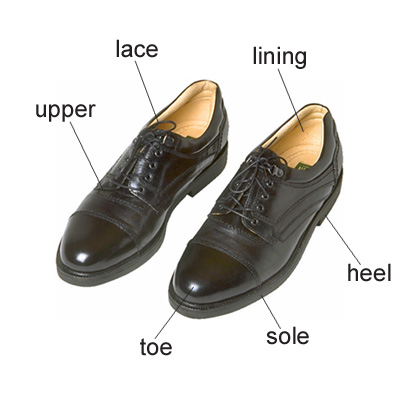 of your foot the curved back part of your foot足部后端弯曲的部位;脚后跟la parte posterior curva del piea parte traseira e curva do pé足の後ろの丸みを帯びた部分;かかと발 뒤쪽의 둥근 부분; 발꿈치2of a shoe the raised part on the bottom of a shoe that makes the shoe higher at the back鞋底后部垫高的凸起部分;鞋跟la parte elevada en la suela del zapato que lo hace más alto por detrása parte elevada na sola do sapato que o deixa mais alto na parte traseira靴底の後部にある高くなった部分;ヒール신발 뒷부분을 높여 주는 밑창의 돌출 부분; 굽:
  black boots with high heels高跟黑色靴子botas negras de tacón altobotas pretas de salto altoハイヒールの黒いブーツ굽이 높은 검은색 부츠high-heeled/low-heeled/flat-heeled etc her low-heeled blue shoes她那双低跟蓝色鞋sus zapatos azules de tacón bajoseus sapatos azuis de salto baixo彼女のローヒールの青い靴그녀의 낮은 굽의 파란색 구두3of a sock the part of a sock that covers your heel袜子包覆脚后跟的部分;袜跟la parte del calcetín que cubre el talóna parte da meia que cobre o calcanhar靴下のかかとを覆う部分양말에서 발꿈치를 감싸는 부분4of your hand the part of your hand between the bottom of your thumb and your wrist手掌中拇指根部与手腕之间的部位;掌根la parte de la mano entre la base del pulgar y la muñecaa parte da mão entre a base do polegar e o pulso親指の付け根と手首の間の手の部分엄지손가락 밑부분과 손목 사이의 손 부위: Using the heel of your hand, press the dough firmly into shape.用掌根用力将面团按压成型。Con el talón de la mano, presione la masa firmemente para darle forma.Usando a base da palma da mão, pressione a massa com firmeza para dar forma.手のひらの付け根を使って、生地をしっかりと押して形を整えなさい。손바닥 아랫부분으로 반죽을 힘껏 눌러 모양을 잡으세요.5heels [plural] a pair of women’s shoes with high heels一双女式高跟鞋un par de zapatos de mujer con tacón altoum par de sapatos femininos de salto altoハイヒールの婦人靴一足굽이 높은 여성용 구두 한 켤레: Whenever she wore heels she was taller than the men she worked with.每当她穿高跟鞋时,总比她的男性同事高。Siempre que llevaba tacones, era más alta que los hombres con quienes trabajaba.Sempre que ela usava saltos, ficava mais alta do que os homens com quem trabalhava.ハイヒールを履くたびに、一緒に働く男性たちより背が高くなった。그녀는 하이힐을 신을 때마다 함께 일하는 남자들보다 키가 컸다.6at somebody’s heels if a person or animal is at your heels, they are following closely behind you若某人或动物紧随脚后跟,指其紧跟在身后si una persona o un animal está a tus talones, te sigue muy de cercase uma pessoa ou animal está no seu encalço, está te seguindo bem de perto人や動物がすぐ後ろについている場合、ぴったりと後ろを追っていること사람이나 동물이 바로 뒤에서 바짝 따라오고 있는 것: He could hear the dog trotting at his heels.他能听到那条狗紧跟在身后小跑的声音。Podía oír al perro trotando a sus talones.Ele podia ouvir o cachorro trotando logo atrás dele.犬が自分のすぐ後ろをトコトコついてくる音が聞こえた。그는 개가 바로 뒤에서 총총걸음으로 따라오는 소리를 들을 수 있었다.7a)(hard/hot/close) on the heels of something very soon after something紧接某事之后;某事发生后不久muy poco después de algologo após algoあることの直後に어떤 일 직후에; 바로 뒤이어: The decision to buy Peters came hard on the heels of the club’s promotion to Division One.购入彼得斯的决定是在球队升入甲级联赛后不久做出的。La decisión de fichar a Peters llegó justo después del ascenso del club a la Primera División.A decisão de contratar Peters veio logo após a promoção do clube para a Primeira Divisão.ピーターズを獲得する決定は、クラブが一部リーグへ昇格した直後に下された。피터스를 영입하기로 한 결정은 클럽이 1부 리그로 승격된 직후에 이루어졌다. b)(hard/hot/close) on somebody’s heels following closely behind someone, especially in order to catch or attack them紧随某人之后,尤指为追上或攻击对方siguiendo muy de cerca a alguien, especialmente para atraparlo o atacarloseguindo alguém bem de perto, especialmente para capturá-lo ou atacá-lo誰かのすぐ後ろを追うこと、特に捕まえたり攻撃したりするために누군가를 바짝 뒤쫓는 것, 특히 붙잡거나 공격하기 위해: With the enemy army hard on his heels, he crossed the Somme at Blanche-Taque.在敌军的紧追之下,他在布朗什-塔克渡过了索姆河。Con el ejército enemigo pisándole los talones, cruzó el Somme por Blanche-Taque.Com o exército inimigo no seu encalço, ele atravessou o Somme em Blanche-Taque.敵軍に追われながら、彼はブランシュ=タックでソンム川を渡った。적군이 바짝 뒤를 쫓는 가운데, 그는 블랑슈-타크에서 솜강을 건넜다.8bring somebody to heel to force someone to behave in the way that you want them to迫使某人按照自己的意愿行事obligar a alguien a comportarse como uno quiereforçar alguém a se comportar da maneira que você quer相手に自分の望む通りに行動させること;服従させること상대방이 원하는 대로 행동하도록 강요하다9come to heel British English a)if a dog comes to heel, it comes back to its owner when the owner calls it若狗听令靠拢,即在主人呼唤时回到主人身旁si un perro obedece y viene al pie, regresa a su dueño cuando este lo llamase um cachorro obedece e volta ao dono, ele retorna ao dono quando chamado犬が命令に従って戻る場合、飼い主が呼んだときに飼い主のもとへ戻ってくること개가 명령에 따라 돌아오면, 주인이 부를 때 주인에게 돌아오는 것 b)if someone comes to heel, they start to behave in the way that you want them to若某人就范,即开始按你的意愿行事si alguien entra en vereda, empieza a comportarse como uno quierese alguém cede e obedece, começa a se comportar da maneira que você quer誰かが言うことを聞き始める場合、あなたの望む通りに振る舞い始めること누군가가 말을 듣기 시작하면, 당신이 원하는 대로 행동하기 시작하는 것10take to your heels written书面escritoescrito書き言葉문어체 to start running away拔腿逃跑;开始逃跑ponerse a correr para huir; echar a corrersair correndo; começar a fugir逃げ出すこと;走って逃げ始めること달아나기 시작하다; 줄행랑을 치다: As soon as he saw me he took to his heels.他一看见我就拔腿逃跑了。En cuanto me vio, echó a correr.Assim que me viu, saiu correndo.私の姿を見るなり、彼はすぐに逃げ出した。그는 나를 보자마자 줄행랑을 쳤다.11turn/spin on your heel written书面escritoescrito書き言葉문어체 to suddenly turn away from someone, especially in an angry or rude way猛然转身离开某人,尤指以愤怒或失礼的方式darse la vuelta bruscamente, especialmente de manera airada o descortésvirar-se abruptamente, especialmente de forma raivosa ou rude急に誰かに背を向けること、特に怒りや無礼な態度で갑자기 등을 돌리다, 특히 화가 나거나 무례한 방식으로: Before anyone could say a word, he turned on his heel and walked out of the room.还没等任何人开口,他便猛地转身走出了房间。Antes de que nadie pudiera decir una palabra, giró sobre sus talones y salió de la habitación.Antes que alguém pudesse dizer uma palavra, ele virou de costas abruptamente e saiu da sala.誰かが口を開く前に、彼はさっと踵を返して部屋を出て行った。아무도 한마디 하기 전에, 그는 홱 돌아서서 방을 나가버렸다.12under the heel of somebody/something completely controlled by a government or group完全受某政府或团体控制completamente controlado por un gobierno o grupocompletamente controlado por um governo ou grupo政府や集団に完全に支配された状態정부나 집단에 완전히 통제되는 상태: a people under the heel of an increasingly dictatorial regime处于日益独裁的政权铁蹄下的人民un pueblo bajo la bota de un régimen cada vez más dictatorialum povo sob o jugo de um regime cada vez mais ditatorialますます独裁色を強める政権の支配下に置かれた人々점점 더 독재화되는 정권의 발아래 짓눌린 국민13bad man old-fashioned旧式anticuadoantiquado旧式구식 a man who behaves badly towards other people对他人行为恶劣的男人;无赖un hombre que se comporta mal con los demásum homem que se comporta mal com outras pessoas他人に対して不誠実な振る舞いをする男;嫌なやつ다른 사람들에게 나쁘게 구는 남자; 못된 사람 → Achilles' heel, down-at-heel, well-heeled, → click your heels at click1(1), → cool your heels at cool2(4), → dig your heels in at dig1(4), → drag your heels at drag1(8), → be/fall head over heels in love at head1(36), → kick your heels at kick1(9)
1of your foot the curved back part of your foot足部后端弯曲的部位;脚后跟la parte posterior curva del piea parte traseira e curva do pé足の後ろの丸みを帯びた部分;かかと발 뒤쪽의 둥근 부분; 발꿈치2of a shoe the raised part on the bottom of a shoe that makes the shoe higher at the back鞋底后部垫高的凸起部分;鞋跟la parte elevada en la suela del zapato que lo hace más alto por detrása parte elevada na sola do sapato que o deixa mais alto na parte traseira靴底の後部にある高くなった部分;ヒール신발 뒷부분을 높여 주는 밑창의 돌출 부분; 굽: black boots with high heels高跟黑色靴子botas negras de tacón altobotas pretas de salto altoハイヒールの黒いブーツ굽이 높은 검은색 부츠high-heeled/low-heeled/flat-heeled etc her low-heeled blue shoes她那双低跟蓝色鞋sus zapatos azules de tacón bajoseus sapatos azuis de salto baixo彼女のローヒールの青い靴그녀의 낮은 굽의 파란색 구두3of a sock the part of a sock that covers your heel袜子包覆脚后跟的部分;袜跟la parte del calcetín que cubre el talóna parte da meia que cobre o calcanhar靴下のかかとを覆う部分양말에서 발꿈치를 감싸는 부분4of your hand the part of your hand between the bottom of your thumb and your wrist手掌中拇指根部与手腕之间的部位;掌根la parte de la mano entre la base del pulgar y la muñecaa parte da mão entre a base do polegar e o pulso親指の付け根と手首の間の手の部分엄지손가락 밑부분과 손목 사이의 손 부위: Using the heel of your hand, press the dough firmly into shape.用掌根用力将面团按压成型。Con el talón de la mano, presione la masa firmemente para darle forma.Usando a base da palma da mão, pressione a massa com firmeza para dar forma.手のひらの付け根を使って、生地をしっかりと押して形を整えなさい。손바닥 아랫부분으로 반죽을 힘껏 눌러 모양을 잡으세요.5heels [plural] a pair of women’s shoes with high heels一双女式高跟鞋un par de zapatos de mujer con tacón altoum par de sapatos femininos de salto altoハイヒールの婦人靴一足굽이 높은 여성용 구두 한 켤레: Whenever she wore heels she was taller than the men she worked with.每当她穿高跟鞋时,总比她的男性同事高。Siempre que llevaba tacones, era más alta que los hombres con quienes trabajaba.Sempre que ela usava saltos, ficava mais alta do que os homens com quem trabalhava.ハイヒールを履くたびに、一緒に働く男性たちより背が高くなった。그녀는 하이힐을 신을 때마다 함께 일하는 남자들보다 키가 컸다.6at somebody’s heels if a person or animal is at your heels, they are following closely behind you若某人或动物紧随脚后跟,指其紧跟在身后si una persona o un animal está a tus talones, te sigue muy de cercase uma pessoa ou animal está no seu encalço, está te seguindo bem de perto人や動物がすぐ後ろについている場合、ぴったりと後ろを追っていること사람이나 동물이 바로 뒤에서 바짝 따라오고 있는 것: He could hear the dog trotting at his heels.他能听到那条狗紧跟在身后小跑的声音。Podía oír al perro trotando a sus talones.Ele podia ouvir o cachorro trotando logo atrás dele.犬が自分のすぐ後ろをトコトコついてくる音が聞こえた。그는 개가 바로 뒤에서 총총걸음으로 따라오는 소리를 들을 수 있었다.7a)(hard/hot/close) on the heels of something very soon after something紧接某事之后;某事发生后不久muy poco después de algologo após algoあることの直後に어떤 일 직후에; 바로 뒤이어: The decision to buy Peters came hard on the heels of the club’s promotion to Division One.购入彼得斯的决定是在球队升入甲级联赛后不久做出的。La decisión de fichar a Peters llegó justo después del ascenso del club a la Primera División.A decisão de contratar Peters veio logo após a promoção do clube para a Primeira Divisão.ピーターズを獲得する決定は、クラブが一部リーグへ昇格した直後に下された。피터스를 영입하기로 한 결정은 클럽이 1부 리그로 승격된 직후에 이루어졌다. b)(hard/hot/close) on somebody’s heels following closely behind someone, especially in order to catch or attack them紧随某人之后,尤指为追上或攻击对方siguiendo muy de cerca a alguien, especialmente para atraparlo o atacarloseguindo alguém bem de perto, especialmente para capturá-lo ou atacá-lo誰かのすぐ後ろを追うこと、特に捕まえたり攻撃したりするために누군가를 바짝 뒤쫓는 것, 특히 붙잡거나 공격하기 위해: With the enemy army hard on his heels, he crossed the Somme at Blanche-Taque.在敌军的紧追之下,他在布朗什-塔克渡过了索姆河。Con el ejército enemigo pisándole los talones, cruzó el Somme por Blanche-Taque.Com o exército inimigo no seu encalço, ele atravessou o Somme em Blanche-Taque.敵軍に追われながら、彼はブランシュ=タックでソンム川を渡った。적군이 바짝 뒤를 쫓는 가운데, 그는 블랑슈-타크에서 솜강을 건넜다.8bring somebody to heel to force someone to behave in the way that you want them to迫使某人按照自己的意愿行事obligar a alguien a comportarse como uno quiereforçar alguém a se comportar da maneira que você quer相手に自分の望む通りに行動させること;服従させること상대방이 원하는 대로 행동하도록 강요하다9come to heel British English a)if a dog comes to heel, it comes back to its owner when the owner calls it若狗听令靠拢,即在主人呼唤时回到主人身旁si un perro obedece y viene al pie, regresa a su dueño cuando este lo llamase um cachorro obedece e volta ao dono, ele retorna ao dono quando chamado犬が命令に従って戻る場合、飼い主が呼んだときに飼い主のもとへ戻ってくること개가 명령에 따라 돌아오면, 주인이 부를 때 주인에게 돌아오는 것 b)if someone comes to heel, they start to behave in the way that you want them to若某人就范,即开始按你的意愿行事si alguien entra en vereda, empieza a comportarse como uno quierese alguém cede e obedece, começa a se comportar da maneira que você quer誰かが言うことを聞き始める場合、あなたの望む通りに振る舞い始めること누군가가 말을 듣기 시작하면, 당신이 원하는 대로 행동하기 시작하는 것10take to your heels written书面escritoescrito書き言葉문어체 to start running away拔腿逃跑;开始逃跑ponerse a correr para huir; echar a corrersair correndo; começar a fugir逃げ出すこと;走って逃げ始めること달아나기 시작하다; 줄행랑을 치다: As soon as he saw me he took to his heels.他一看见我就拔腿逃跑了。En cuanto me vio, echó a correr.Assim que me viu, saiu correndo.私の姿を見るなり、彼はすぐに逃げ出した。그는 나를 보자마자 줄행랑을 쳤다.11turn/spin on your heel written书面escritoescrito書き言葉문어체 to suddenly turn away from someone, especially in an angry or rude way猛然转身离开某人,尤指以愤怒或失礼的方式darse la vuelta bruscamente, especialmente de manera airada o descortésvirar-se abruptamente, especialmente de forma raivosa ou rude急に誰かに背を向けること、特に怒りや無礼な態度で갑자기 등을 돌리다, 특히 화가 나거나 무례한 방식으로: Before anyone could say a word, he turned on his heel and walked out of the room.还没等任何人开口,他便猛地转身走出了房间。Antes de que nadie pudiera decir una palabra, giró sobre sus talones y salió de la habitación.Antes que alguém pudesse dizer uma palavra, ele virou de costas abruptamente e saiu da sala.誰かが口を開く前に、彼はさっと踵を返して部屋を出て行った。아무도 한마디 하기 전에, 그는 홱 돌아서서 방을 나가버렸다.12under the heel of somebody/something completely controlled by a government or group完全受某政府或团体控制completamente controlado por un gobierno o grupocompletamente controlado por um governo ou grupo政府や集団に完全に支配された状態정부나 집단에 완전히 통제되는 상태: a people under the heel of an increasingly dictatorial regime处于日益独裁的政权铁蹄下的人民un pueblo bajo la bota de un régimen cada vez más dictatorialum povo sob o jugo de um regime cada vez mais ditatorialますます独裁色を強める政権の支配下に置かれた人々점점 더 독재화되는 정권의 발아래 짓눌린 국민13bad man old-fashioned旧式anticuadoantiquado旧式구식 a man who behaves badly towards other people对他人行为恶劣的男人;无赖un hombre que se comporta mal con los demásum homem que se comporta mal com outras pessoas他人に対して不誠実な振る舞いをする男;嫌なやつ다른 사람들에게 나쁘게 구는 남자; 못된 사람 → Achilles' heel, down-at-heel, well-heeled, → click your heels at click1(1), → cool your heels at cool2(4), → dig your heels in at dig1(4), → drag your heels at drag1(8), → be/fall head over heels in love at head1(36), → kick your heels at kick1(9)heelheel2 verb 1heel! spoken口语oraloral話し言葉구어 used to tell your dog to walk next to you用于命令狗紧靠身旁行走se usa para ordenarle al perro que camine a tu ladousado para dizer ao cachorro para andar ao seu lado犬に横についてくるよう命じるときに使う表現개에게 옆에 붙어 걷도록 말할 때 쓰는 표현2[transitive] to put a heel on a shoe给鞋钉上鞋跟poner un tacón a un zapatocolocar um salto em um sapato靴にヒールをつけること신발에 굽을 달다heel over phrasal verb if something heels over, it leans to one side as if it is going to fall若某物侧倾,即向一侧倾斜至似将倒塌的程度si algo se escora, se inclina hacia un lado como si fuera a caersese algo tomba para um lado, inclina-se como se fosse cair何かが傾く場合、倒れそうなほど片側に傾くこと무언가가 한쪽으로 기울면, 쓰러질 듯이 한쪽으로 쏠리는 것: The ship was heeling over in the wind.船在风中侧倾着。El barco se estaba escorando con el viento.O navio estava se inclinando para o lado com o vento.船は風を受けて傾いていた。배가 바람에 옆으로 기울고 있었다.
1heel! spoken口语oraloral話し言葉구어 used to tell your dog to walk next to you用于命令狗紧靠身旁行走se usa para ordenarle al perro que camine a tu ladousado para dizer ao cachorro para andar ao seu lado犬に横についてくるよう命じるときに使う表現개에게 옆에 붙어 걷도록 말할 때 쓰는 표현2[transitive] to put a heel on a shoe给鞋钉上鞋跟poner un tacón a un zapatocolocar um salto em um sapato靴にヒールをつけること신발에 굽을 달다heel over phrasal verb if something heels over, it leans to one side as if it is going to fall若某物侧倾,即向一侧倾斜至似将倒塌的程度si algo se escora, se inclina hacia un lado como si fuera a caersese algo tomba para um lado, inclina-se como se fosse cair何かが傾く場合、倒れそうなほど片側に傾くこと무언가가 한쪽으로 기울면, 쓰러질 듯이 한쪽으로 쏠리는 것: The ship was heeling over in the wind.船在风中侧倾着。El barco se estaba escorando con el viento.O navio estava se inclinando para o lado com o vento.船は風を受けて傾いていた。배가 바람에 옆으로 기울고 있었다.