
doordoor1 /dɔː $ dɔːr/ noun [countable] 
 1
1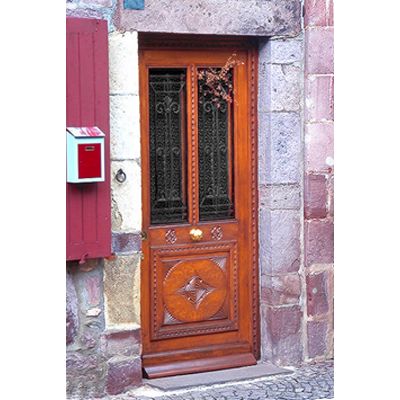 the large flat piece of wood, glass etc that you move when you go into or out of a building, room, vehicle etc, or when you open a cupboard进出建筑物、房间、车辆等或打开橱柜时所推拉的大型平板,通常由木材、玻璃等制成pieza plana y grande de madera, vidrio, etc., que se mueve al entrar o salir de un edificio, habitación, vehículo, etc., o al abrir un armariopeça plana e grande de madeira, vidro etc. que se move ao entrar ou sair de um edifício, quarto, veículo etc., ou ao abrir um armário建物・部屋・乗り物などに出入りするとき、または戸棚を開けるときに動かす、木・ガラスなどでできた大きく平らな板건물, 방, 차량 등에 드나들거나 찬장을 열 때 움직이는 나무, 유리 등으로 만든 크고 평평한 판:
  Could you open the door for me?你能帮我开一下门吗?¿Podrías abrirme la puerta?Você poderia abrir a porta para mim?ドアを開けてもらえますか?문 좀 열어 주시겠어요? The door flew open and Ruth stormed in.门猛地飞开,Ruth 冲了进来。La puerta se abrió de golpe y Ruth entró furiosa.A porta se abriu de repente e Ruth entrou furiosa.ドアが勢いよく開き、ルースが怒鳴り込んできた。문이 확 열리더니 Ruth가 성난 듯 들어왔다. Don’t forget to lock the garage door.别忘了锁车库门。No olvides cerrar con llave la puerta del garaje.Não se esqueça de trancar a porta da garagem.ガレージのドアに鍵をかけるのを忘れずに。차고 문 잠그는 것 잊지 마세요. → fire door, French doors, revolving door(1), sliding door, stage door, swing door, trapdoor2the space made by an open door门开着时形成的空间;门口el espacio que deja una puerta abierta; la entradao espaço formado por uma porta aberta; a entrada開いたドアによってできる空間;出入り口열린 문으로 생기는 공간; 문간 SYN doorwayin/out (of)/through the door Rick turned and ran out of the door.Rick 转身跑出了门。Rick se dio la vuelta y salió corriendo por la puerta.Rick se virou e saiu correndo pela porta.リックは振り返り、ドアから走り出た。Rick은 몸을 돌려 문 밖으로 달려나갔다. I glanced through the open door.我从敞开的门口瞥了一眼。Eché un vistazo por la puerta abierta.Dei uma olhada pela porta aberta.私は開いたドアからちらりと見た。나는 열린 문 사이로 슬쩍 들여다봤다.3at the door if someone is at the door, they are waiting for you to open the door of a building so they can come inside某人在门口,指其正等候你开门以便进入建筑物si alguien está en la puerta, está esperando a que abras la puerta del edificio para poder entrarse alguém está na porta, significa que está esperando você abrir a porta do edifício para poder entrar誰かがドアのところにいるとは、その人が中に入れるようにドアを開けてもらうのを待っているという意味누군가가 문 앞에 있다는 것은 건물 안으로 들어올 수 있도록 문을 열어 주기를 기다리고 있다는 뜻: There’s somebody at the front door.有人在前门。Hay alguien en la puerta principal.Tem alguém na porta da frente.玄関に誰かいます。현관문에 누군가 있어요.4out of doors outside户外;室外al aire libre; afueraao ar livre; do lado de fora屋外;戸外야외; 실외 SYN outdoors: I prefer working out of doors.我更喜欢在户外工作。Prefiero trabajar al aire libre.Prefiro trabalhar ao ar livre.私は屋外で働く方が好きです。나는 야외에서 일하는 것을 더 좋아한다.5show/see somebody to the door to take someone to the main way out of a building将某人引送至建筑物的主要出口acompañar a alguien hasta la salida principal de un edificiolevar alguém até a saída principal de um edifício建物の主要な出口まで人を案内する건물의 주요 출구까지 누군가를 안내하다: My secretary will show you to the door.我的秘书会送您出门。Mi secretaria le acompañará hasta la puerta.Minha secretária vai acompanhá-lo até a porta.私の秘書が出口までご案内します。제 비서가 출구까지 안내해 드릴 것입니다.6two/three etc doors away/down/up used to say how many houses or buildings there are between your house, office etc and another building用于表示你的住所、办公室等与另一栋建筑之间相隔几户或几栋se usa para indicar cuántas casas o edificios hay entre la propia casa, la oficina, etc. y otro edificiousado para indicar quantas casas ou edifícios há entre sua casa, escritório etc. e outro edifício自分の家やオフィスなどと別の建物との間に何軒あるかを表すのに用いる자신의 집, 사무실 등과 다른 건물 사이에 몇 채의 집이나 건물이 있는지 나타낼 때 쓰임door from Patrick lived two doors away from me.Patrick 住在距我两户之隔的地方。Patrick vivía a dos casas de mí.Patrick morava a duas portas de mim.パトリックは私の家から2軒先に住んでいた。Patrick은 나에게서 두 집 건너에 살았다.7(from) door to door a) especially British English from one place to another从出发地直至目的地;全程de origen a destino; de puerta a puertade um ponto ao outro; de porta a porta出発地から目的地まで;戸口から戸口まで출발지에서 목적지까지; 문에서 문까지: How long is the journey, door to door?从出发地到目的地,全程要多久?¿Cuánto dura el viaje de puerta a puerta?Quanto tempo dura a viagem de porta a porta?戸口から戸口まで、どのくらい時間がかかりますか?문에서 문까지, 여정이 얼마나 걸리나요? b)going to each house in a street or area to sell something, collect money, or ask for votes逐户上门推销商品、募款或拉票ir de casa en casa por una calle o zona para vender algo, recaudar dinero o solicitar votosir de porta em porta numa rua ou área para vender algo, arrecadar dinheiro ou pedir votosある通りや地域の各家を訪問して、物を売ったり、お金を集めたり、票を求めたりすること거리나 지역의 각 집을 방문하여 물건을 팔거나 돈을 모으거나 표를 구하다: Joe sold vacuum cleaners door to door for years.Joe 挨家挨户推销了多年吸尘器。Joe vendió aspiradoras de puerta en puerta durante años.Joe vendeu aspiradores de pó de porta em porta por anos.ジョーは何年もの間、家から家へと掃除機を売り歩いた。Joe는 수년간 집집마다 방문하며 진공청소기를 팔았다. → door-to-door8be on the door to work at the entrance to a theatre, club etc, collecting tickets在剧院、俱乐部等入口处负责收票trabajar en la entrada de un teatro, club, etc., recogiendo las entradastrabalhar na entrada de um teatro, clube etc., recolhendo ingressos劇場・クラブなどの入口でチケットを受け取る仕事をする극장, 클럽 등의 입구에서 입장권을 수거하는 일을 하다9shut/close the door on something to make something impossible使某事成为不可能;断绝某种可能性hacer que algo sea imposible; cerrar la posibilidad de algotornar algo impossível; fechar a possibilidade de algo何かを不可能にする;可能性を閉ざす무언가를 불가능하게 만들다; 어떤 가능성을 막다: The accident shut the door on her ballet career.那次事故断绝了她从事芭蕾舞事业的可能。El accidente le cerró la puerta a su carrera de ballet.O acidente fechou a porta para a carreira dela no balé.その事故が彼女のバレエのキャリアへの可能性を閉ざした。그 사고로 그녀의 발레 커리어의 가능성이 막혔다. → at death’s door at death(7), → behind closed doors at closed(5), → get in through the back door at back door(2), → lay something at somebody’s door at lay2(19), → next door1, → open doors (for somebody) at open2(16), → open-door policy, → open the door to something at open2(16), → show somebody the door at show1(20)COLLOCATIONS词语搭配COLOCACIONESCOLOCAÇÕESコロケーション연어verbs动词verbosverbos動詞동사open/close/shut the door· I opened the door and Dad was standing there.我开了门,爸爸就站在那里。Abrí la puerta y papá estaba allí de pie.Abri a porta e papai estava lá parado.ドアを開けると、お父さんがそこに立っていた。문을 열었더니 아빠가 거기 서 있었다.· Can you close the door as you go out?你出去时能把门关上吗?¿Puedes cerrar la puerta al salir?Você pode fechar a porta ao sair?出るときにドアを閉めてもらえますか?나갈 때 문 좀 닫아 줄 수 있어요?slam/bang the door (=shut it loudly, usually because you are angry)· He strode from the room, slamming the door behind him.他大步走出房间,身后砰地关上了门。Salió de la habitación a grandes zancadas, dando un portazo.Ele saiu do quarto a passos largos, batendo a porta atrás de si.彼は大股で部屋を出て、後ろ手にドアをバタンと閉めた。그는 성큼성큼 방을 나가며 뒤에서 문을 쾅 닫았다.answer the door (=open it for someone who has knocked or pressed the bell)· Lucy ran downstairs to answer the door.Lucy 跑下楼去应门。Lucy bajó corriendo las escaleras para abrir la puerta.Lucy desceu correndo as escadas para atender a porta.ルーシーはドアに出るために階段を走って降りた。Lucy는 문에 나가 보려고 아래층으로 달려 내려갔다.a door leads somewhere (=used to say what place is on the other side of a door)· This door leads into the garden.这扇门通向花园。Esta puerta da al jardín.Esta porta dá para o jardim.このドアは庭に通じています。이 문은 정원으로 통한다.a door opens/closes/shuts· We were still waiting for the train doors to open.我们还在等火车门打开。Todavía esperábamos a que se abrieran las puertas del tren.Ainda estávamos esperando as portas do trem abrirem.私たちはまだ電車のドアが開くのを待っていた。우리는 여전히 기차 문이 열리기를 기다리고 있었다.a door slams/bangs (shut) (=shuts loudly)· I heard the front door slam.我听到前门砰地关上了。Oí cerrarse de golpe la puerta principal.Ouvi a porta da frente bater.玄関のドアがバタンと閉まる音が聞こえた。현관문이 쾅 닫히는 소리가 들렸다.a door flies/bursts open (=opens very suddenly and quickly)· Then the door burst open and two men with guns came in.然后门猛地被撞开,两个持枪男子冲了进来。Entonces la puerta se abrió de golpe y entraron dos hombres armados.Então a porta se abriu de repente e dois homens armados entraram.そのとき、ドアが勢いよく開き、銃を持った男が2人入ってきた。그때 문이 벌컥 열리며 총을 든 두 남자가 들어왔다.a door swings open/shut (=moves forward to open or backwards to shut)· The door swung shut behind me.门在我身后摆动着关上了。La puerta se cerró sola a mis espaldas.A porta fechou sozinha atrás de mim.ドアが私の後ろで揺れながら閉まった。문이 내 뒤에서 흔들리며 닫혔다.a door slides open/shut (=moves smoothly to the side or back again)· The lift doors slid open and we got in.电梯门滑开,我们走了进去。Las puertas del ascensor se abrieron deslizándose y entramos.As portas do elevador deslizaram e nós entramos.エレベーターのドアが滑るように開き、私たちは乗り込んだ。엘리베이터 문이 미끄러지듯 열리자 우리는 안으로 들어갔다.lock/unlock the door· I locked the door and turned out the lights.我锁上门,关了灯。Cerré la puerta con llave y apagué las luces.Tranquei a porta e apaguei as luzes.私はドアに鍵をかけ、電気を消した。나는 문을 잠그고 불을 껐다.bolt the door (=slide a metal bar across to fasten it)· Once inside, he bolted the door.进去后,他插上了门闩。Una vez dentro, echó el cerrojo.Uma vez dentro, ele colocou a tranca na porta.中に入ると、彼はドアに掛け金をかけた。안으로 들어가자 그는 문에 빗장을 걸었다.knock on/at the door (=hit it with your hand to make someone open it)· Who's that knocking at the door?是谁在敲门?¿Quién está llamando a la puerta?Quem está batendo na porta?ドアをノックしているのは誰ですか?문을 두드리는 사람이 누구예요?bang/hammer on the door (=hit it very loudly and urgently)· A policeman was banging on the door across the road.一名警察正在猛敲对面的门。Un policía estaba aporreando la puerta del otro lado de la calle.Um policial estava batendo com força na porta do outro lado da rua.警官が通り向かいのドアを力強くたたいていた。경찰관이 길 건너편 문을 쾅쾅 두드리고 있었다.tap on/at the door (=hit it very gently)· I tapped on the door and opened it.我轻叩了一下门,然后打开了它。Di unos golpecitos en la puerta y la abrí.Bati levemente na porta e a abri.私はドアを軽くノックして開けた。나는 문을 가볍게 두드리고 열었다.get the door (=open or close it for someone)· Could you get the door for me?你能帮我开下门吗?¿Puedes abrirme la puerta?Você pode abrir a porta para mim?ドアを開けてもらえる?문 좀 열어 줄 수 있어요?ADJECTIVES/NOUN + door形容词/名词 + doorADJETIVOS/SUSTANTIVO + doorADJETIVOS/SUBSTANTIVO + door形容詞・名詞 + door형용사/명사 + doorthe front/back/side door (=of a house)· I heard someone knocking at the front door.我听到有人在敲前门。Oí a alguien llamar a la puerta principal.Ouvi alguém batendo na porta da frente.玄関のドアを誰かがノックしているのが聞こえた。현관문에 누군가 두드리는 소리가 들렸다.· Use the back door if your boots are muddy.如果你的靴子沾了泥,请走后门。Usa la puerta trasera si tienes las botas llenas de barro.Use a porta dos fundos se suas botas estiverem sujas de lama.長靴が泥だらけなら裏口を使ってください。장화가 진흙투성이라면 뒷문을 이용하세요.the main door (=the door into a building that most people use)· The main door to the hotel is on Queen Street.酒店的正门在女王街。La puerta principal del hotel está en Queen Street.A entrada principal do hotel fica na Queen Street.ホテルの正面玄関はクイーンストリートにあります。호텔의 정문은 퀸 스트리트에 있습니다.the kitchen/bedroom/bathroom etc door· The kitchen door opened and Jake walked in.厨房门开了,Jake 走了进来。La puerta de la cocina se abrió y Jake entró.A porta da cozinha se abriu e Jake entrou.キッチンのドアが開き、ジェイクが入ってきた。부엌 문이 열리고 Jake가 들어왔다.the cupboard door British English, the closet door American English· Both the cupboard doors were locked.两扇橱柜门都锁着。Las dos puertas del armario estaban cerradas con llave.As duas portas do armário estavam trancadas.戸棚の扉は両方とも鍵がかかっていた。찬장 문 두 개 모두 잠겨 있었다.the fridge/oven door· Steam came out as I opened the oven door.我打开烤箱门,蒸汽冒了出来。Salió vapor cuando abrí la puerta del horno.Saiu vapor quando abri a porta do forno.オーブンのドアを開けると蒸気が出てきた。오븐 문을 열자 수증기가 나왔다.a car door· She heard a car door slamming.她听到一声车门猛地关上的声音。Oyó el portazo de una puerta de coche.Ela ouviu uma porta de carro batendo.彼女は車のドアが勢いよく閉まる音を聞いた。그녀는 자동차 문이 쾅 닫히는 소리를 들었다.the passenger door (=for the person in a car who sits beside the driver)· The taxi driver was holding open the passenger door.出租车司机撑开着乘客侧的车门。El taxista estaba sujetando abierta la puerta del pasajero.O motorista de táxi estava segurando a porta do passageiro aberta.タクシーの運転手が客用のドアを開けて押さえていた。택시 기사가 승객 문을 열어 잡고 있었다.a rear door (=a door at the back of a vehicle)· The kids opened the rear doors and climbed in.孩子们打开后车门爬了进去。Los niños abrieron las puertas traseras y subieron.As crianças abriram as portas traseiras e entraram.子どもたちは後部ドアを開けて乗り込んだ。아이들이 뒷문을 열고 올라탔다.door + NOUNdoor + 名词door + SUSTANTIVOdoor + SUBSTANTIVOdoor + 名詞door + 명사a door handle (=that you move up or down to open a door)· Ella reached for the door handle.Ella 伸手去拿门把手。Ella extendió la mano hacia el picaporte.Ela estendeu a mão para a maçaneta.エラはドアのハンドルに手を伸ばした。Ella는 문손잡이에 손을 뻗었다.a door knob (=that you turn to open a door)· I turned the door knob and went into the room.我转动门把手,走进了房间。Giré el pomo de la puerta y entré en la habitación.Girei o botão da porta e entrei no quarto.ドアノブを回して部屋に入った。나는 문손잡이를 돌려 방으로 들어갔다.a door knocker (=a metal object on a door that you use to knock with)· There was a brass door knocker in the shape of a lion's head.门上有一个狮子头形状的黄铜门环。Había un llamador de latón en forma de cabeza de león.Havia uma aldrava de latão em formato de cabeça de leão na porta.ライオンの頭の形をした真鍮製のドアノッカーがあった。사자 머리 모양의 황동 문 두드리개가 있었다.a door bell (=that you press to make it ring)· Adam walked up the path and rang the door bell.Adam 沿着小路走上去,按了门铃。Adam avanzó por el camino y llamó al timbre.Adam foi pelo caminho e tocou a campainha da porta.アダムは小道を歩いて、玄関のベルを鳴らした。Adam은 길을 따라 걸어가 초인종을 눌렀다.a door key· She was looking in her bag for her door key.她在包里翻找门钥匙。Estaba buscando en su bolso la llave de casa.Ela estava procurando a chave da porta na bolsa.彼女はバッグの中でドアの鍵を探していた。그녀는 가방 안에서 문 열쇠를 찾고 있었다.
1the large flat piece of wood, glass etc that you move when you go into or out of a building, room, vehicle etc, or when you open a cupboard进出建筑物、房间、车辆等或打开橱柜时所推拉的大型平板,通常由木材、玻璃等制成pieza plana y grande de madera, vidrio, etc., que se mueve al entrar o salir de un edificio, habitación, vehículo, etc., o al abrir un armariopeça plana e grande de madeira, vidro etc. que se move ao entrar ou sair de um edifício, quarto, veículo etc., ou ao abrir um armário建物・部屋・乗り物などに出入りするとき、または戸棚を開けるときに動かす、木・ガラスなどでできた大きく平らな板건물, 방, 차량 등에 드나들거나 찬장을 열 때 움직이는 나무, 유리 등으로 만든 크고 평평한 판: Could you open the door for me?你能帮我开一下门吗?¿Podrías abrirme la puerta?Você poderia abrir a porta para mim?ドアを開けてもらえますか?문 좀 열어 주시겠어요? The door flew open and Ruth stormed in.门猛地飞开,Ruth 冲了进来。La puerta se abrió de golpe y Ruth entró furiosa.A porta se abriu de repente e Ruth entrou furiosa.ドアが勢いよく開き、ルースが怒鳴り込んできた。문이 확 열리더니 Ruth가 성난 듯 들어왔다. Don’t forget to lock the garage door.别忘了锁车库门。No olvides cerrar con llave la puerta del garaje.Não se esqueça de trancar a porta da garagem.ガレージのドアに鍵をかけるのを忘れずに。차고 문 잠그는 것 잊지 마세요. → fire door, French doors, revolving door(1), sliding door, stage door, swing door, trapdoor2the space made by an open door门开着时形成的空间;门口el espacio que deja una puerta abierta; la entradao espaço formado por uma porta aberta; a entrada開いたドアによってできる空間;出入り口열린 문으로 생기는 공간; 문간 SYN doorwayin/out (of)/through the door Rick turned and ran out of the door.Rick 转身跑出了门。Rick se dio la vuelta y salió corriendo por la puerta.Rick se virou e saiu correndo pela porta.リックは振り返り、ドアから走り出た。Rick은 몸을 돌려 문 밖으로 달려나갔다. I glanced through the open door.我从敞开的门口瞥了一眼。Eché un vistazo por la puerta abierta.Dei uma olhada pela porta aberta.私は開いたドアからちらりと見た。나는 열린 문 사이로 슬쩍 들여다봤다.3at the door if someone is at the door, they are waiting for you to open the door of a building so they can come inside某人在门口,指其正等候你开门以便进入建筑物si alguien está en la puerta, está esperando a que abras la puerta del edificio para poder entrarse alguém está na porta, significa que está esperando você abrir a porta do edifício para poder entrar誰かがドアのところにいるとは、その人が中に入れるようにドアを開けてもらうのを待っているという意味누군가가 문 앞에 있다는 것은 건물 안으로 들어올 수 있도록 문을 열어 주기를 기다리고 있다는 뜻: There’s somebody at the front door.有人在前门。Hay alguien en la puerta principal.Tem alguém na porta da frente.玄関に誰かいます。현관문에 누군가 있어요.4out of doors outside户外;室外al aire libre; afueraao ar livre; do lado de fora屋外;戸外야외; 실외 SYN outdoors: I prefer working out of doors.我更喜欢在户外工作。Prefiero trabajar al aire libre.Prefiro trabalhar ao ar livre.私は屋外で働く方が好きです。나는 야외에서 일하는 것을 더 좋아한다.5show/see somebody to the door to take someone to the main way out of a building将某人引送至建筑物的主要出口acompañar a alguien hasta la salida principal de un edificiolevar alguém até a saída principal de um edifício建物の主要な出口まで人を案内する건물의 주요 출구까지 누군가를 안내하다: My secretary will show you to the door.我的秘书会送您出门。Mi secretaria le acompañará hasta la puerta.Minha secretária vai acompanhá-lo até a porta.私の秘書が出口までご案内します。제 비서가 출구까지 안내해 드릴 것입니다.6two/three etc doors away/down/up used to say how many houses or buildings there are between your house, office etc and another building用于表示你的住所、办公室等与另一栋建筑之间相隔几户或几栋se usa para indicar cuántas casas o edificios hay entre la propia casa, la oficina, etc. y otro edificiousado para indicar quantas casas ou edifícios há entre sua casa, escritório etc. e outro edifício自分の家やオフィスなどと別の建物との間に何軒あるかを表すのに用いる자신의 집, 사무실 등과 다른 건물 사이에 몇 채의 집이나 건물이 있는지 나타낼 때 쓰임door from Patrick lived two doors away from me.Patrick 住在距我两户之隔的地方。Patrick vivía a dos casas de mí.Patrick morava a duas portas de mim.パトリックは私の家から2軒先に住んでいた。Patrick은 나에게서 두 집 건너에 살았다.7(from) door to door a) especially British English from one place to another从出发地直至目的地;全程de origen a destino; de puerta a puertade um ponto ao outro; de porta a porta出発地から目的地まで;戸口から戸口まで출발지에서 목적지까지; 문에서 문까지: How long is the journey, door to door?从出发地到目的地,全程要多久?¿Cuánto dura el viaje de puerta a puerta?Quanto tempo dura a viagem de porta a porta?戸口から戸口まで、どのくらい時間がかかりますか?문에서 문까지, 여정이 얼마나 걸리나요? b)going to each house in a street or area to sell something, collect money, or ask for votes逐户上门推销商品、募款或拉票ir de casa en casa por una calle o zona para vender algo, recaudar dinero o solicitar votosir de porta em porta numa rua ou área para vender algo, arrecadar dinheiro ou pedir votosある通りや地域の各家を訪問して、物を売ったり、お金を集めたり、票を求めたりすること거리나 지역의 각 집을 방문하여 물건을 팔거나 돈을 모으거나 표를 구하다: Joe sold vacuum cleaners door to door for years.Joe 挨家挨户推销了多年吸尘器。Joe vendió aspiradoras de puerta en puerta durante años.Joe vendeu aspiradores de pó de porta em porta por anos.ジョーは何年もの間、家から家へと掃除機を売り歩いた。Joe는 수년간 집집마다 방문하며 진공청소기를 팔았다. → door-to-door8be on the door to work at the entrance to a theatre, club etc, collecting tickets在剧院、俱乐部等入口处负责收票trabajar en la entrada de un teatro, club, etc., recogiendo las entradastrabalhar na entrada de um teatro, clube etc., recolhendo ingressos劇場・クラブなどの入口でチケットを受け取る仕事をする극장, 클럽 등의 입구에서 입장권을 수거하는 일을 하다9shut/close the door on something to make something impossible使某事成为不可能;断绝某种可能性hacer que algo sea imposible; cerrar la posibilidad de algotornar algo impossível; fechar a possibilidade de algo何かを不可能にする;可能性を閉ざす무언가를 불가능하게 만들다; 어떤 가능성을 막다: The accident shut the door on her ballet career.那次事故断绝了她从事芭蕾舞事业的可能。El accidente le cerró la puerta a su carrera de ballet.O acidente fechou a porta para a carreira dela no balé.その事故が彼女のバレエのキャリアへの可能性を閉ざした。그 사고로 그녀의 발레 커리어의 가능성이 막혔다. → at death’s door at death(7), → behind closed doors at closed(5), → get in through the back door at back door(2), → lay something at somebody’s door at lay2(19), → next door1, → open doors (for somebody) at open2(16), → open-door policy, → open the door to something at open2(16), → show somebody the door at show1(20)COLLOCATIONS词语搭配COLOCACIONESCOLOCAÇÕESコロケーション연어verbs动词verbosverbos動詞동사open/close/shut the door· I opened the door and Dad was standing there.我开了门,爸爸就站在那里。Abrí la puerta y papá estaba allí de pie.Abri a porta e papai estava lá parado.ドアを開けると、お父さんがそこに立っていた。문을 열었더니 아빠가 거기 서 있었다.· Can you close the door as you go out?你出去时能把门关上吗?¿Puedes cerrar la puerta al salir?Você pode fechar a porta ao sair?出るときにドアを閉めてもらえますか?나갈 때 문 좀 닫아 줄 수 있어요?slam/bang the door (=shut it loudly, usually because you are angry)· He strode from the room, slamming the door behind him.他大步走出房间,身后砰地关上了门。Salió de la habitación a grandes zancadas, dando un portazo.Ele saiu do quarto a passos largos, batendo a porta atrás de si.彼は大股で部屋を出て、後ろ手にドアをバタンと閉めた。그는 성큼성큼 방을 나가며 뒤에서 문을 쾅 닫았다.answer the door (=open it for someone who has knocked or pressed the bell)· Lucy ran downstairs to answer the door.Lucy 跑下楼去应门。Lucy bajó corriendo las escaleras para abrir la puerta.Lucy desceu correndo as escadas para atender a porta.ルーシーはドアに出るために階段を走って降りた。Lucy는 문에 나가 보려고 아래층으로 달려 내려갔다.a door leads somewhere (=used to say what place is on the other side of a door)· This door leads into the garden.这扇门通向花园。Esta puerta da al jardín.Esta porta dá para o jardim.このドアは庭に通じています。이 문은 정원으로 통한다.a door opens/closes/shuts· We were still waiting for the train doors to open.我们还在等火车门打开。Todavía esperábamos a que se abrieran las puertas del tren.Ainda estávamos esperando as portas do trem abrirem.私たちはまだ電車のドアが開くのを待っていた。우리는 여전히 기차 문이 열리기를 기다리고 있었다.a door slams/bangs (shut) (=shuts loudly)· I heard the front door slam.我听到前门砰地关上了。Oí cerrarse de golpe la puerta principal.Ouvi a porta da frente bater.玄関のドアがバタンと閉まる音が聞こえた。현관문이 쾅 닫히는 소리가 들렸다.a door flies/bursts open (=opens very suddenly and quickly)· Then the door burst open and two men with guns came in.然后门猛地被撞开,两个持枪男子冲了进来。Entonces la puerta se abrió de golpe y entraron dos hombres armados.Então a porta se abriu de repente e dois homens armados entraram.そのとき、ドアが勢いよく開き、銃を持った男が2人入ってきた。그때 문이 벌컥 열리며 총을 든 두 남자가 들어왔다.a door swings open/shut (=moves forward to open or backwards to shut)· The door swung shut behind me.门在我身后摆动着关上了。La puerta se cerró sola a mis espaldas.A porta fechou sozinha atrás de mim.ドアが私の後ろで揺れながら閉まった。문이 내 뒤에서 흔들리며 닫혔다.a door slides open/shut (=moves smoothly to the side or back again)· The lift doors slid open and we got in.电梯门滑开,我们走了进去。Las puertas del ascensor se abrieron deslizándose y entramos.As portas do elevador deslizaram e nós entramos.エレベーターのドアが滑るように開き、私たちは乗り込んだ。엘리베이터 문이 미끄러지듯 열리자 우리는 안으로 들어갔다.lock/unlock the door· I locked the door and turned out the lights.我锁上门,关了灯。Cerré la puerta con llave y apagué las luces.Tranquei a porta e apaguei as luzes.私はドアに鍵をかけ、電気を消した。나는 문을 잠그고 불을 껐다.bolt the door (=slide a metal bar across to fasten it)· Once inside, he bolted the door.进去后,他插上了门闩。Una vez dentro, echó el cerrojo.Uma vez dentro, ele colocou a tranca na porta.中に入ると、彼はドアに掛け金をかけた。안으로 들어가자 그는 문에 빗장을 걸었다.knock on/at the door (=hit it with your hand to make someone open it)· Who's that knocking at the door?是谁在敲门?¿Quién está llamando a la puerta?Quem está batendo na porta?ドアをノックしているのは誰ですか?문을 두드리는 사람이 누구예요?bang/hammer on the door (=hit it very loudly and urgently)· A policeman was banging on the door across the road.一名警察正在猛敲对面的门。Un policía estaba aporreando la puerta del otro lado de la calle.Um policial estava batendo com força na porta do outro lado da rua.警官が通り向かいのドアを力強くたたいていた。경찰관이 길 건너편 문을 쾅쾅 두드리고 있었다.tap on/at the door (=hit it very gently)· I tapped on the door and opened it.我轻叩了一下门,然后打开了它。Di unos golpecitos en la puerta y la abrí.Bati levemente na porta e a abri.私はドアを軽くノックして開けた。나는 문을 가볍게 두드리고 열었다.get the door (=open or close it for someone)· Could you get the door for me?你能帮我开下门吗?¿Puedes abrirme la puerta?Você pode abrir a porta para mim?ドアを開けてもらえる?문 좀 열어 줄 수 있어요?ADJECTIVES/NOUN + door形容词/名词 + doorADJETIVOS/SUSTANTIVO + doorADJETIVOS/SUBSTANTIVO + door形容詞・名詞 + door형용사/명사 + doorthe front/back/side door (=of a house)· I heard someone knocking at the front door.我听到有人在敲前门。Oí a alguien llamar a la puerta principal.Ouvi alguém batendo na porta da frente.玄関のドアを誰かがノックしているのが聞こえた。현관문에 누군가 두드리는 소리가 들렸다.· Use the back door if your boots are muddy.如果你的靴子沾了泥,请走后门。Usa la puerta trasera si tienes las botas llenas de barro.Use a porta dos fundos se suas botas estiverem sujas de lama.長靴が泥だらけなら裏口を使ってください。장화가 진흙투성이라면 뒷문을 이용하세요.the main door (=the door into a building that most people use)· The main door to the hotel is on Queen Street.酒店的正门在女王街。La puerta principal del hotel está en Queen Street.A entrada principal do hotel fica na Queen Street.ホテルの正面玄関はクイーンストリートにあります。호텔의 정문은 퀸 스트리트에 있습니다.the kitchen/bedroom/bathroom etc door· The kitchen door opened and Jake walked in.厨房门开了,Jake 走了进来。La puerta de la cocina se abrió y Jake entró.A porta da cozinha se abriu e Jake entrou.キッチンのドアが開き、ジェイクが入ってきた。부엌 문이 열리고 Jake가 들어왔다.the cupboard door British English, the closet door American English· Both the cupboard doors were locked.两扇橱柜门都锁着。Las dos puertas del armario estaban cerradas con llave.As duas portas do armário estavam trancadas.戸棚の扉は両方とも鍵がかかっていた。찬장 문 두 개 모두 잠겨 있었다.the fridge/oven door· Steam came out as I opened the oven door.我打开烤箱门,蒸汽冒了出来。Salió vapor cuando abrí la puerta del horno.Saiu vapor quando abri a porta do forno.オーブンのドアを開けると蒸気が出てきた。오븐 문을 열자 수증기가 나왔다.a car door· She heard a car door slamming.她听到一声车门猛地关上的声音。Oyó el portazo de una puerta de coche.Ela ouviu uma porta de carro batendo.彼女は車のドアが勢いよく閉まる音を聞いた。그녀는 자동차 문이 쾅 닫히는 소리를 들었다.the passenger door (=for the person in a car who sits beside the driver)· The taxi driver was holding open the passenger door.出租车司机撑开着乘客侧的车门。El taxista estaba sujetando abierta la puerta del pasajero.O motorista de táxi estava segurando a porta do passageiro aberta.タクシーの運転手が客用のドアを開けて押さえていた。택시 기사가 승객 문을 열어 잡고 있었다.a rear door (=a door at the back of a vehicle)· The kids opened the rear doors and climbed in.孩子们打开后车门爬了进去。Los niños abrieron las puertas traseras y subieron.As crianças abriram as portas traseiras e entraram.子どもたちは後部ドアを開けて乗り込んだ。아이들이 뒷문을 열고 올라탔다.door + NOUNdoor + 名词door + SUSTANTIVOdoor + SUBSTANTIVOdoor + 名詞door + 명사a door handle (=that you move up or down to open a door)· Ella reached for the door handle.Ella 伸手去拿门把手。Ella extendió la mano hacia el picaporte.Ela estendeu a mão para a maçaneta.エラはドアのハンドルに手を伸ばした。Ella는 문손잡이에 손을 뻗었다.a door knob (=that you turn to open a door)· I turned the door knob and went into the room.我转动门把手,走进了房间。Giré el pomo de la puerta y entré en la habitación.Girei o botão da porta e entrei no quarto.ドアノブを回して部屋に入った。나는 문손잡이를 돌려 방으로 들어갔다.a door knocker (=a metal object on a door that you use to knock with)· There was a brass door knocker in the shape of a lion's head.门上有一个狮子头形状的黄铜门环。Había un llamador de latón en forma de cabeza de león.Havia uma aldrava de latão em formato de cabeça de leão na porta.ライオンの頭の形をした真鍮製のドアノッカーがあった。사자 머리 모양의 황동 문 두드리개가 있었다.a door bell (=that you press to make it ring)· Adam walked up the path and rang the door bell.Adam 沿着小路走上去,按了门铃。Adam avanzó por el camino y llamó al timbre.Adam foi pelo caminho e tocou a campainha da porta.アダムは小道を歩いて、玄関のベルを鳴らした。Adam은 길을 따라 걸어가 초인종을 눌렀다.a door key· She was looking in her bag for her door key.她在包里翻找门钥匙。Estaba buscando en su bolso la llave de casa.Ela estava procurando a chave da porta na bolsa.彼女はバッグの中でドアの鍵を探していた。그녀는 가방 안에서 문 열쇠를 찾고 있었다.doordoor2 verb [transitive] to hit someone with a car door when they are riding past on a bicycle在某人骑自行车经过时用车门撞击其人golpear a alguien con la puerta de un coche cuando pasa en bicicletabater em alguém com a porta de um carro quando passa de bicicleta自転車で通り過ぎる人を車のドアで引っかける(はねる)こと자전거를 타고 지나가는 사람을 자동차 문으로 치다: I nearly got doored as I went past the flats in Camden Street.我骑车经过卡姆登街的公寓楼时,差点被车门撞到。Por poco me golpea una puerta de coche al pasar en bicicleta frente a los pisos de Camden Street.Quase fui atingido por uma porta de carro ao passar de bicicleta pelos apartamentos da Camden Street.カムデン・ストリートのアパートの前を自転車で通り過ぎたとき、もう少しで車のドアに当たるところだった。캠든 스트리트의 아파트 앞을 자전거로 지나가다가 하마터면 차 문에 치일 뻔했다.
to hit someone with a car door when they are riding past on a bicycle在某人骑自行车经过时用车门撞击其人golpear a alguien con la puerta de un coche cuando pasa en bicicletabater em alguém com a porta de um carro quando passa de bicicleta自転車で通り過ぎる人を車のドアで引っかける(はねる)こと자전거를 타고 지나가는 사람을 자동차 문으로 치다: I nearly got doored as I went past the flats in Camden Street.我骑车经过卡姆登街的公寓楼时,差点被车门撞到。Por poco me golpea una puerta de coche al pasar en bicicleta frente a los pisos de Camden Street.Quase fui atingido por uma porta de carro ao passar de bicicleta pelos apartamentos da Camden Street.カムデン・ストリートのアパートの前を自転車で通り過ぎたとき、もう少しで車のドアに当たるところだった。캠든 스트리트의 아파트 앞을 자전거로 지나가다가 하마터면 차 문에 치일 뻔했다.