
face의 영어 뜻
faceface1 /feɪs/ noun [countable] 
 모든 번역 보기1
 front of your head the front part of your head, where your eyes, nose, and mouth are눈, 코, 입이 있는 머리의 앞부분:
  She had a beautiful face.그녀는 아름다운 얼굴을 가지고 있었다. Her face was white with fear.그녀의 얼굴은 두려움으로 창백해졌다. A big smile spread across his face.그의 얼굴에 환한 미소가 번졌다. I felt like punching him in the face.나는 그의 얼굴을 주먹으로 치고 싶었다. ► You say that something is on somebody’s face, not ‘in somebody’s face’: You’ve got a mark on your face.2expression an expression on someone’s face누군가의 얼굴에 나타난 표정: I’ll never forget my father’s face – I’d never seen him so upset before.나는 아버지의 표정을 절대 잊지 못할 것이다 – 그렇게 속상해하는 모습은 한 번도 본 적이 없었다.3keep a straight face to not laugh or smile, even though something is funny재미있는 상황에서도 웃거나 미소 짓지 않다4pale-faced/round-faced etc having a face that has a particular colour or shape특정한 색이나 모양의 얼굴을 가진: a pale-faced youth얼굴이 창백한 청년 → red-faced5grim-faced/serious-faced etc showing a particular expression on your face얼굴에 특정 표정을 띠고 있는: Negotiators emerged grim-faced after the day’s talks.협상 대표들은 하루 종일 회담을 마친 후 굳은 표정으로 나타났다. → barefaced, po-faced, poker-faced, stony-faced6person a person사람new/different face (=someone who you have not seen before)(=전에 본 적이 없는 사람) There are a few new faces in class this year.올해 반에 몇 명의 새로운 얼굴이 보인다. Gordon is a familiar face (=someone who you know or have seen many times before) at the Shrewsbury Flower Show.Gordon은 Shrewsbury Flower Show에서 낯익은 얼굴(=알거나 여러 번 본 적 있는 사람)이다. It’s the same old faces (=people who you see often, especially too often) at our meetings every week.매주 회의에는 항상 똑같은 얼굴들(=자주, 특히 너무 자주 보는 사람들)만 나온다.famous/well-known face (=someone who is famous from television, magazines, films etc)(=텔레비전, 잡지, 영화 등으로 유명한 사람) She looked around at the sea of faces (=lots of people seen together) in the cafeteria.그녀는 구내식당에 가득한 얼굴들(=한꺼번에 보이는 많은 사람들)을 둘러보았다.7face to face a)if two people are standing face to face, they are very close and are looking at each other두 사람이 얼굴을 맞대고 서 있다면, 매우 가까이에서 서로를 바라보고 있는 것meet somebody/talk to somebody/explain something etc face to face (=to meet someone and talk to them, instead of just hearing about them, talking to them on the phone etc)(=전화나 소문으로만 듣는 것이 아니라 직접 만나 대화하다) I’ve never met her face to face.나는 그녀를 직접 만난 적이 없다. ‘You could have just phoned.’ ‘I wanted to explain things face to face.’"전화만 해도 됐잖아요." "직접 얼굴을 보며 설명하고 싶었어요."come face to face/find yourself face to face (with somebody) (=to meet someone, especially in a way that surprises or frightens you)(=누군가와 마주치다, 특히 놀라거나 두려운 방식으로) At that moment he came face to face with Sergeant Burke.바로 그 순간 그는 Burke 상사와 정면으로 마주쳤다. The two men stood face to face without a word.두 남자는 아무 말 없이 얼굴을 맞대고 서 있었다. b)if you come face to face with something difficult, you experience it and have to deal with it어려운 일과 정면으로 마주하게 되면, 그것을 직접 경험하고 대처해야 하는 것: It was the first time he’d ever come face to face with death.그것은 그가 처음으로 죽음과 정면으로 맞닥뜨린 순간이었다.bring somebody face to face with something Sometimes one is brought face to face with facts which cannot be ignored.때로는 무시할 수 없는 사실들과 정면으로 맞닥뜨리게 되는 경우가 있다. → face-to-face8say something/tell somebody something to their face if you say something unpleasant to someone’s face, you say it to them directly, rather than to other people누군가의 면전에서 불쾌한 말을 한다는 것은 다른 사람들이 아닌 당사자에게 직접 말하는 것: I told him to his face just what I thought of him.나는 그에 대한 내 솔직한 생각을 그의 면전에서 직접 말했다.9face down/downwards with the face or front towards the ground얼굴이나 앞면이 땅을 향하게 하여: Keith was lying face down on the bed.Keith는 침대에 얼굴을 아래로 하고 누워 있었다.10face up/upwards with the face or front towards the sky얼굴이나 앞면이 하늘을 향하게 하여: The body was lying face up in the rain.시신은 빗속에 얼굴을 위로 하고 누워 있었다.11in the face of something in a situation where there are many problems, difficulties, or dangers많은 문제, 어려움, 또는 위험이 있는 상황에서: It is amazing how Daniels has survived in the face of such strong opposition from within the party.당내의 그토록 강한 반대에도 불구하고 Daniels가 살아남았다는 것은 놀랍다.12on the face of it used to say that something seems true but that you think there may be other facts about it which are not yet clear어떤 것이 사실처럼 보이지만 아직 명확하지 않은 다른 사실이 있을 수 있다고 생각할 때 사용: It looks, on the face of it, like a minor change in the regulations.표면적으로는 규정의 사소한 변경처럼 보인다. On the face of it, his suggestion makes sense.표면적으로는 그의 제안이 타당해 보인다.13the face of something a)the nature or character of an organization, industry, system etc, and the way it appears to people조직, 산업, 시스템 등의 본질이나 성격, 그리고 사람들에게 비치는 모습: technology that has changed the face of society사회의 모습을 바꾼 기술 Is this the new face of the Tory party?이것이 보수당의 새로운 면모인가?the ugly/unacceptable/acceptable face of something (=the qualities of an organization, industry etc which people find unacceptable or acceptable)(=조직, 산업 등에서 사람들이 받아들이기 어렵거나 수용 가능하다고 여기는 특성) the unacceptable face of capitalism자본주의의 받아들이기 어려운 면 b)the general appearance of a particular place특정 장소의 전반적인 모습: the changing face of the landscape변화하는 경관의 모습14mountain/cliff the face of a mountain, cliff etc is a steep vertical surface or side산, 절벽 등의 face는 가파른 수직 표면이나 측면face of He fell and died while attempting to climb the north face of Mont Blanc.그는 몽블랑 북벽을 오르려다 추락해 사망했다. The cliff face was starting to crumble into the sea.절벽 면이 바다 쪽으로 무너지기 시작했다. a sheer (=very steep) rock face깎아지른 (=매우 가파른) 암벽15clock the front part of a clock or watch, where the numbers and hands are시계의 앞면, 숫자와 바늘이 있는 부분16lose face if you lose face, you do something which makes you seem weak, stupid etc, and which makes people respect you less체면을 잃는다는 것은 약하거나 어리석어 보이게 하여 사람들의 존경심을 떨어뜨리는 행동을 하는 것: He doesn’t want to back down (=accept defeat in an argument) and risk losing face.그는 논쟁에서 물러서는 것(=패배를 인정하는 것)을 원하지 않으며 체면을 잃을 위험을 감수하고 싶지 않다.17save face if you do something to save face, you do it so that people will not lose their respect for you체면을 살리기 위해 무언가를 한다는 것은 사람들이 당신에 대한 존경심을 잃지 않도록 하기 위해 그렇게 하는 것: Both countries saved face with the compromise.두 나라 모두 타협을 통해 체면을 살렸다.18disappear/vanish from/off the face of the earth used to say that you have no idea where someone is and have not seen them in a very long time누군가가 어디 있는지 전혀 모르고 매우 오랫동안 보지 못했다고 말할 때 사용: I haven’t seen Paul in ages; he seems to have vanished off the face of the earth.Paul을 오랫동안 보지 못했다. 지구상에서 사라진 것 같다.19 on the face of the earth used when you are emphasizing a statement to mean ‘in the whole world’"온 세상에서"라는 의미로 진술을 강조할 때 사용: If she were the last woman on the face of the earth, I still wouldn’t be interested!그녀가 지구상 마지막 여자라도 나는 관심이 없을 것이다!20somebody’s face doesn’t fit used to say that someone will not get or keep a particular job because they are not the kind of person that the employer wants고용주가 원하는 유형의 사람이 아니기 때문에 특정 직업을 얻거나 유지하지 못할 것이라고 말할 때 사용21set your face against something especially British English to be very determined that something should not happen어떤 일이 일어나지 않도록 강하게 결심하다: The local Labour Party has set its face against the scheme.지역 노동당은 그 계획에 강경하게 반대 입장을 취했다.22mine the part of a mine from which coal, stone etc is cut탄광에서 석탄, 돌 등을 채굴하는 막장 부분 → coalface23outside surface one of the outside surfaces of an object or building물체나 건물의 외부 표면 중 하나: A cube has six faces.정육면체는 여섯 개의 면이 있다.24sport the part of a racket or bat etc that you use to hit the ball라켓이나 배트 등에서 공을 치는 부분25in your face spoken구어 informal비격식 behaviour, criticisms, remarks etc that are in your face are very direct and often shocking or surprising"in your face"인 행동, 비판, 발언 등은 매우 직접적이며 종종 충격적이거나 놀라운 것: Bingham has a very ‘in your face’ writing style.Bingham은 매우 직접적이고 도발적인 글쓰기 스타일을 가지고 있다.26 get in somebody’s face spoken구어 informal비격식 if someone gets in your face, they really annoy you누군가가 당신 얼굴에 들이댄다는 것은 정말로 당신을 화나게 한다는 것27 get out of my face spoken구어 informal비격식 used to tell someone in an impolite way to go away because they are annoying you짜증스럽게 구는 사람에게 무례하게 꺼지라고 말할 때 사용28what’s his face/what’s her face spoken구어 informal비격식 used as a way of talking about someone when you cannot remember their name이름이 기억나지 않는 사람을 가리킬 때 사용하는 표현: I saw old what’s his face in school yesterday.어제 학교에서 이름이 뭐더라, 걔를 봤어.29put your face on informal비격식 to put make-up on화장을 하다: I just need to run upstairs and put my face on.잠깐 위층에 올라가서 화장만 하면 돼. → blow up in somebody’s face at blow up, → put on a brave face at brave1(3), → do something till you’re blue in the face at blue1(4), → have egg on your face at egg1(5), → face-to-face, → fly in the face of at fly1(18), → laugh in somebody’s face at laugh1(11), → long face at long1(12), → not just a pretty face at pretty2(4), → show your face at show1(15), → shut your face at shut1(2), → a slap in the face at slap2(2), → be staring somebody in the face at stare1(2), → a straight face at straight2(8), → wipe something off the face of the earth at wipe1(8), → wipe the smile/grin off somebody’s face at wipe1(7), → have something written all over your face at write(10)COLLOCATIONS연어– Meanings 1 & 2— 의미 1 & 2adjectives형용사pretty/beautiful/handsome etc· Her face was beautiful in the morning light.· 그녀의 얼굴은 아침 햇빛 속에서 아름다웠다.round/oval/square· Her face was round and jolly.· 그녀의 얼굴은 둥글고 명랑했다.thin/narrow· Tears rolled down her thin face.· 그녀의 가냘픈 얼굴 위로 눈물이 흘러내렸다.pale/dark· His face suddenly became pale and I thought he was going to faint.· 그의 얼굴이 갑자기 창백해져서 나는 그가 기절할 것 같다고 생각했다.an angular face (=so thin that you can see the bones)· She stared at his dark, angular face.· 그녀는 그의 어둡고 각진 얼굴을 뚫어지게 바라보았다.sad/serious· Maggie looked at him with a sad face.· Maggie는 슬픈 얼굴로 그를 바라보았다.happy/smiling· Shelley looked at the children’s happy faces.· Shelley는 아이들의 행복한 얼굴들을 바라보았다.a grinning face· He looked down at the boy’s grinning face.· 그는 소년의 씩 웃는 얼굴을 내려다보았다.angry· Beth’s angry face stared fiercely at her husband.· Beth의 화난 얼굴이 남편을 무섭게 노려보았다.worried/anxious· My father watched us go with a worried face.· 아버지는 걱정스러운 얼굴로 우리가 떠나는 것을 지켜보았다.puzzled· He looked at his son’s puzzled face.· 그는 아들의 어리둥절한 얼굴을 바라보았다.blank/impassive (=showing no emotion or thoughts)· What was she really thinking behind that blank face?· 저 무표정한 얼굴 뒤에서 그녀는 정말 무슨 생각을 하고 있었을까?wrinkled/lined (=with a lot of small lines, especially because of old age)· His wrinkled face must once have been handsome.· 주름진 그의 얼굴도 한때는 잘생겼을 것이다.scowling (=showing that you are not pleased about something)· He looked around and saw his boss's scowling face behind him.· 그가 돌아보니 상사의 찌푸린 얼굴이 바로 뒤에 있었다.a long face (=an unhappy expression)· What’s the long face for?· 왜 그렇게 시무룩한 얼굴이야?verbs동사somebody’s face goes/turns red (=becomes red)· His face went red with embarrassment.· 그의 얼굴이 당혹감으로 빨개졌다.somebody’s face goes/turns pale (=becomes pale)· I saw her face go pale when he walked in.· 그가 들어왔을 때 그녀의 얼굴이 창백해지는 것을 보았다.somebody’s face lights up/brightens (=they start to look happy)· Denise’s face lit up when she heard the news.· Denise는 그 소식을 듣자 얼굴이 환해졌다.somebody’s face darkens (=they start to look angry or threatening)· She handed him the letter and his face darkened.· 그녀가 편지를 건네자 그의 얼굴이 어두워졌다.somebody’s face falls (=they look sad or disappointed)· Her face fell when she saw who it was.· 누군지 알아봤을 때 그녀의 표정이 굳어졌다.pull/make a face (=to change your expression to make people laugh or to show you are angry, disappointed etc)· Here’s a funny photo of Joe pulling a face.· 여기 Joe가 우스운 표정을 짓고 있는 재미있는 사진이 있다.somebody’s face is contorted with anger/rage (=someone’s face is twisted out of its normal shape because they are angry)· Eve’s face was contorted with anger as she picked up the broken vase.· Eve는 깨진 꽃병을 집어 들면서 얼굴이 분노로 일그러졌다.phrases구a look/expression on somebody’s face· She had a rather surprised look on her face.· 그녀의 얼굴에는 꽤 놀란 표정이 떠올랐다.· I could tell by the look on Dan’s face that he was disappointed.· Dan의 얼굴 표정을 보니 그가 실망했다는 것을 알 수 있었다.a smile/grin/frown on somebody’s face· There was a mischievous grin on her face.· 그녀의 얼굴에 장난기 어린 미소가 번졌다.· He was reading the newspaper with a frown on his face.· 그는 찡그린 얼굴로 신문을 읽고 있었다.you can see something in somebody’s face (=you know what someone is feeling from the expression on their face)· She could see the despair in his face.· 그녀는 그의 얼굴에서 절망을 볼 수 있었다.something is written all over somebody’s face (=their feelings can be seen very clearly in their expression)· You’re jealous – it’s written all over your face!· 당신은 질투하고 있어요 – 얼굴에 다 써 있잖아요!you should have seen somebody’s face (=used to say that someone was very angry, surprised etc)· You should have seen his face when I told him that I was resigning.· 내가 사직한다고 말했을 때 그의 표정을 봤어야 했는데.a face like thunder (=a very angry expression)· The boss had a face like thunder when he arrived this morning.· 오늘 아침 상사가 몹시 화난 얼굴로 도착했다.
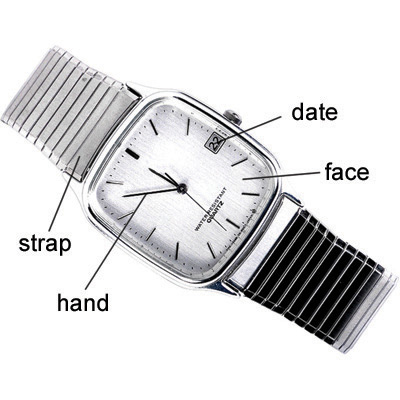
모든 번역 보기1front of your head the front part of your head, where your eyes, nose, and mouth are눈, 코, 입이 있는 머리의 앞부분: She had a beautiful face.그녀는 아름다운 얼굴을 가지고 있었다. Her face was white with fear.그녀의 얼굴은 두려움으로 창백해졌다. A big smile spread across his face.그의 얼굴에 환한 미소가 번졌다. I felt like punching him in the face.나는 그의 얼굴을 주먹으로 치고 싶었다. ► You say that something is on somebody’s face, not ‘in somebody’s face’: You’ve got a mark on your face.2expression an expression on someone’s face누군가의 얼굴에 나타난 표정: I’ll never forget my father’s face – I’d never seen him so upset before.나는 아버지의 표정을 절대 잊지 못할 것이다 – 그렇게 속상해하는 모습은 한 번도 본 적이 없었다.3keep a straight face to not laugh or smile, even though something is funny재미있는 상황에서도 웃거나 미소 짓지 않다4pale-faced/round-faced etc having a face that has a particular colour or shape특정한 색이나 모양의 얼굴을 가진: a pale-faced youth얼굴이 창백한 청년 → red-faced5grim-faced/serious-faced etc showing a particular expression on your face얼굴에 특정 표정을 띠고 있는: Negotiators emerged grim-faced after the day’s talks.협상 대표들은 하루 종일 회담을 마친 후 굳은 표정으로 나타났다. → barefaced, po-faced, poker-faced, stony-faced6person a person사람new/different face (=someone who you have not seen before)(=전에 본 적이 없는 사람) There are a few new faces in class this year.올해 반에 몇 명의 새로운 얼굴이 보인다. Gordon is a familiar face (=someone who you know or have seen many times before) at the Shrewsbury Flower Show.Gordon은 Shrewsbury Flower Show에서 낯익은 얼굴(=알거나 여러 번 본 적 있는 사람)이다. It’s the same old faces (=people who you see often, especially too often) at our meetings every week.매주 회의에는 항상 똑같은 얼굴들(=자주, 특히 너무 자주 보는 사람들)만 나온다.famous/well-known face (=someone who is famous from television, magazines, films etc)(=텔레비전, 잡지, 영화 등으로 유명한 사람) She looked around at the sea of faces (=lots of people seen together) in the cafeteria.그녀는 구내식당에 가득한 얼굴들(=한꺼번에 보이는 많은 사람들)을 둘러보았다.7face to face a)if two people are standing face to face, they are very close and are looking at each other두 사람이 얼굴을 맞대고 서 있다면, 매우 가까이에서 서로를 바라보고 있는 것meet somebody/talk to somebody/explain something etc face to face (=to meet someone and talk to them, instead of just hearing about them, talking to them on the phone etc)(=전화나 소문으로만 듣는 것이 아니라 직접 만나 대화하다) I’ve never met her face to face.나는 그녀를 직접 만난 적이 없다. ‘You could have just phoned.’ ‘I wanted to explain things face to face.’"전화만 해도 됐잖아요." "직접 얼굴을 보며 설명하고 싶었어요."come face to face/find yourself face to face (with somebody) (=to meet someone, especially in a way that surprises or frightens you)(=누군가와 마주치다, 특히 놀라거나 두려운 방식으로) At that moment he came face to face with Sergeant Burke.바로 그 순간 그는 Burke 상사와 정면으로 마주쳤다. The two men stood face to face without a word.두 남자는 아무 말 없이 얼굴을 맞대고 서 있었다. b)if you come face to face with something difficult, you experience it and have to deal with it어려운 일과 정면으로 마주하게 되면, 그것을 직접 경험하고 대처해야 하는 것: It was the first time he’d ever come face to face with death.그것은 그가 처음으로 죽음과 정면으로 맞닥뜨린 순간이었다.bring somebody face to face with something Sometimes one is brought face to face with facts which cannot be ignored.때로는 무시할 수 없는 사실들과 정면으로 맞닥뜨리게 되는 경우가 있다. → face-to-face8say something/tell somebody something to their face if you say something unpleasant to someone’s face, you say it to them directly, rather than to other people누군가의 면전에서 불쾌한 말을 한다는 것은 다른 사람들이 아닌 당사자에게 직접 말하는 것: I told him to his face just what I thought of him.나는 그에 대한 내 솔직한 생각을 그의 면전에서 직접 말했다.9face down/downwards with the face or front towards the ground얼굴이나 앞면이 땅을 향하게 하여: Keith was lying face down on the bed.Keith는 침대에 얼굴을 아래로 하고 누워 있었다.10face up/upwards with the face or front towards the sky얼굴이나 앞면이 하늘을 향하게 하여: The body was lying face up in the rain.시신은 빗속에 얼굴을 위로 하고 누워 있었다.11in the face of something in a situation where there are many problems, difficulties, or dangers많은 문제, 어려움, 또는 위험이 있는 상황에서: It is amazing how Daniels has survived in the face of such strong opposition from within the party.당내의 그토록 강한 반대에도 불구하고 Daniels가 살아남았다는 것은 놀랍다.12on the face of it used to say that something seems true but that you think there may be other facts about it which are not yet clear어떤 것이 사실처럼 보이지만 아직 명확하지 않은 다른 사실이 있을 수 있다고 생각할 때 사용: It looks, on the face of it, like a minor change in the regulations.표면적으로는 규정의 사소한 변경처럼 보인다. On the face of it, his suggestion makes sense.표면적으로는 그의 제안이 타당해 보인다.13the face of something a)the nature or character of an organization, industry, system etc, and the way it appears to people조직, 산업, 시스템 등의 본질이나 성격, 그리고 사람들에게 비치는 모습: technology that has changed the face of society사회의 모습을 바꾼 기술 Is this the new face of the Tory party?이것이 보수당의 새로운 면모인가?the ugly/unacceptable/acceptable face of something (=the qualities of an organization, industry etc which people find unacceptable or acceptable)(=조직, 산업 등에서 사람들이 받아들이기 어렵거나 수용 가능하다고 여기는 특성) the unacceptable face of capitalism자본주의의 받아들이기 어려운 면 b)the general appearance of a particular place특정 장소의 전반적인 모습: the changing face of the landscape변화하는 경관의 모습14mountain/cliff the face of a mountain, cliff etc is a steep vertical surface or side산, 절벽 등의 face는 가파른 수직 표면이나 측면face of He fell and died while attempting to climb the north face of Mont Blanc.그는 몽블랑 북벽을 오르려다 추락해 사망했다. The cliff face was starting to crumble into the sea.절벽 면이 바다 쪽으로 무너지기 시작했다. a sheer (=very steep) rock face깎아지른 (=매우 가파른) 암벽15clock the front part of a clock or watch, where the numbers and hands are시계의 앞면, 숫자와 바늘이 있는 부분16lose face if you lose face, you do something which makes you seem weak, stupid etc, and which makes people respect you less체면을 잃는다는 것은 약하거나 어리석어 보이게 하여 사람들의 존경심을 떨어뜨리는 행동을 하는 것: He doesn’t want to back down (=accept defeat in an argument) and risk losing face.그는 논쟁에서 물러서는 것(=패배를 인정하는 것)을 원하지 않으며 체면을 잃을 위험을 감수하고 싶지 않다.17save face if you do something to save face, you do it so that people will not lose their respect for you체면을 살리기 위해 무언가를 한다는 것은 사람들이 당신에 대한 존경심을 잃지 않도록 하기 위해 그렇게 하는 것: Both countries saved face with the compromise.두 나라 모두 타협을 통해 체면을 살렸다.18disappear/vanish from/off the face of the earth used to say that you have no idea where someone is and have not seen them in a very long time누군가가 어디 있는지 전혀 모르고 매우 오랫동안 보지 못했다고 말할 때 사용: I haven’t seen Paul in ages; he seems to have vanished off the face of the earth.Paul을 오랫동안 보지 못했다. 지구상에서 사라진 것 같다.19 on the face of the earth used when you are emphasizing a statement to mean ‘in the whole world’"온 세상에서"라는 의미로 진술을 강조할 때 사용: If she were the last woman on the face of the earth, I still wouldn’t be interested!그녀가 지구상 마지막 여자라도 나는 관심이 없을 것이다!20somebody’s face doesn’t fit used to say that someone will not get or keep a particular job because they are not the kind of person that the employer wants고용주가 원하는 유형의 사람이 아니기 때문에 특정 직업을 얻거나 유지하지 못할 것이라고 말할 때 사용21set your face against something especially British English to be very determined that something should not happen어떤 일이 일어나지 않도록 강하게 결심하다: The local Labour Party has set its face against the scheme.지역 노동당은 그 계획에 강경하게 반대 입장을 취했다.22mine the part of a mine from which coal, stone etc is cut탄광에서 석탄, 돌 등을 채굴하는 막장 부분 → coalface23outside surface one of the outside surfaces of an object or building물체나 건물의 외부 표면 중 하나: A cube has six faces.정육면체는 여섯 개의 면이 있다.24sport the part of a racket or bat etc that you use to hit the ball라켓이나 배트 등에서 공을 치는 부분25in your face spoken구어 informal비격식 behaviour, criticisms, remarks etc that are in your face are very direct and often shocking or surprising"in your face"인 행동, 비판, 발언 등은 매우 직접적이며 종종 충격적이거나 놀라운 것: Bingham has a very ‘in your face’ writing style.Bingham은 매우 직접적이고 도발적인 글쓰기 스타일을 가지고 있다.26 get in somebody’s face spoken구어 informal비격식 if someone gets in your face, they really annoy you누군가가 당신 얼굴에 들이댄다는 것은 정말로 당신을 화나게 한다는 것27 get out of my face spoken구어 informal비격식 used to tell someone in an impolite way to go away because they are annoying you짜증스럽게 구는 사람에게 무례하게 꺼지라고 말할 때 사용28what’s his face/what’s her face spoken구어 informal비격식 used as a way of talking about someone when you cannot remember their name이름이 기억나지 않는 사람을 가리킬 때 사용하는 표현: I saw old what’s his face in school yesterday.어제 학교에서 이름이 뭐더라, 걔를 봤어.29put your face on informal비격식 to put make-up on화장을 하다: I just need to run upstairs and put my face on.잠깐 위층에 올라가서 화장만 하면 돼. → blow up in somebody’s face at blow up, → put on a brave face at brave1(3), → do something till you’re blue in the face at blue1(4), → have egg on your face at egg1(5), → face-to-face, → fly in the face of at fly1(18), → laugh in somebody’s face at laugh1(11), → long face at long1(12), → not just a pretty face at pretty2(4), → show your face at show1(15), → shut your face at shut1(2), → a slap in the face at slap2(2), → be staring somebody in the face at stare1(2), → a straight face at straight2(8), → wipe something off the face of the earth at wipe1(8), → wipe the smile/grin off somebody’s face at wipe1(7), → have something written all over your face at write(10)COLLOCATIONS연어– Meanings 1 & 2— 의미 1 & 2adjectives형용사pretty/beautiful/handsome etc· Her face was beautiful in the morning light.· 그녀의 얼굴은 아침 햇빛 속에서 아름다웠다.round/oval/square· Her face was round and jolly.· 그녀의 얼굴은 둥글고 명랑했다.thin/narrow· Tears rolled down her thin face.· 그녀의 가냘픈 얼굴 위로 눈물이 흘러내렸다.pale/dark· His face suddenly became pale and I thought he was going to faint.· 그의 얼굴이 갑자기 창백해져서 나는 그가 기절할 것 같다고 생각했다.an angular face (=so thin that you can see the bones)· She stared at his dark, angular face.· 그녀는 그의 어둡고 각진 얼굴을 뚫어지게 바라보았다.sad/serious· Maggie looked at him with a sad face.· Maggie는 슬픈 얼굴로 그를 바라보았다.happy/smiling· Shelley looked at the children’s happy faces.· Shelley는 아이들의 행복한 얼굴들을 바라보았다.a grinning face· He looked down at the boy’s grinning face.· 그는 소년의 씩 웃는 얼굴을 내려다보았다.angry· Beth’s angry face stared fiercely at her husband.· Beth의 화난 얼굴이 남편을 무섭게 노려보았다.worried/anxious· My father watched us go with a worried face.· 아버지는 걱정스러운 얼굴로 우리가 떠나는 것을 지켜보았다.puzzled· He looked at his son’s puzzled face.· 그는 아들의 어리둥절한 얼굴을 바라보았다.blank/impassive (=showing no emotion or thoughts)· What was she really thinking behind that blank face?· 저 무표정한 얼굴 뒤에서 그녀는 정말 무슨 생각을 하고 있었을까?wrinkled/lined (=with a lot of small lines, especially because of old age)· His wrinkled face must once have been handsome.· 주름진 그의 얼굴도 한때는 잘생겼을 것이다.scowling (=showing that you are not pleased about something)· He looked around and saw his boss's scowling face behind him.· 그가 돌아보니 상사의 찌푸린 얼굴이 바로 뒤에 있었다.a long face (=an unhappy expression)· What’s the long face for?· 왜 그렇게 시무룩한 얼굴이야?verbs동사somebody’s face goes/turns red (=becomes red)· His face went red with embarrassment.· 그의 얼굴이 당혹감으로 빨개졌다.somebody’s face goes/turns pale (=becomes pale)· I saw her face go pale when he walked in.· 그가 들어왔을 때 그녀의 얼굴이 창백해지는 것을 보았다.somebody’s face lights up/brightens (=they start to look happy)· Denise’s face lit up when she heard the news.· Denise는 그 소식을 듣자 얼굴이 환해졌다.somebody’s face darkens (=they start to look angry or threatening)· She handed him the letter and his face darkened.· 그녀가 편지를 건네자 그의 얼굴이 어두워졌다.somebody’s face falls (=they look sad or disappointed)· Her face fell when she saw who it was.· 누군지 알아봤을 때 그녀의 표정이 굳어졌다.pull/make a face (=to change your expression to make people laugh or to show you are angry, disappointed etc)· Here’s a funny photo of Joe pulling a face.· 여기 Joe가 우스운 표정을 짓고 있는 재미있는 사진이 있다.somebody’s face is contorted with anger/rage (=someone’s face is twisted out of its normal shape because they are angry)· Eve’s face was contorted with anger as she picked up the broken vase.· Eve는 깨진 꽃병을 집어 들면서 얼굴이 분노로 일그러졌다.phrases구a look/expression on somebody’s face· She had a rather surprised look on her face.· 그녀의 얼굴에는 꽤 놀란 표정이 떠올랐다.· I could tell by the look on Dan’s face that he was disappointed.· Dan의 얼굴 표정을 보니 그가 실망했다는 것을 알 수 있었다.a smile/grin/frown on somebody’s face· There was a mischievous grin on her face.· 그녀의 얼굴에 장난기 어린 미소가 번졌다.· He was reading the newspaper with a frown on his face.· 그는 찡그린 얼굴로 신문을 읽고 있었다.you can see something in somebody’s face (=you know what someone is feeling from the expression on their face)· She could see the despair in his face.· 그녀는 그의 얼굴에서 절망을 볼 수 있었다.something is written all over somebody’s face (=their feelings can be seen very clearly in their expression)· You’re jealous – it’s written all over your face!· 당신은 질투하고 있어요 – 얼굴에 다 써 있잖아요!you should have seen somebody’s face (=used to say that someone was very angry, surprised etc)· You should have seen his face when I told him that I was resigning.· 내가 사직한다고 말했을 때 그의 표정을 봤어야 했는데.a face like thunder (=a very angry expression)· The boss had a face like thunder when he arrived this morning.· 오늘 아침 상사가 몹시 화난 얼굴로 도착했다.faceface2 verb [transitive] 1difficult situation if you face or are faced with a difficult situation, or if a difficult situation faces you, it is going to affect you and you must deal with it어려운 상황에 직면하거나 어려운 상황이 당신 앞에 놓인다면, 그것은 당신에게 영향을 미칠 것이며 반드시 대처해야 한다: Emergency services are facing additional problems this winter.응급 서비스는 이번 겨울 추가적인 문제에 직면해 있다. The president faces the difficult task of putting the economy back on its feet.대통령은 경제를 다시 일으켜 세우는 어려운 과제에 직면해 있다. McManus is facing the biggest challenge of his career.McManus는 자신의 경력 중 가장 큰 도전에 직면해 있다. As the project comes to an end, many workers now face an uncertain future.프로젝트가 마무리되면서 많은 근로자들이 이제 불확실한 미래에 직면하고 있다. He must face the prospect of financial ruin.그는 재정적 파산의 가능성에 직면해야 한다.be faced with something I was faced with the awful job of breaking the news to the girl’s family.나는 그 소녀의 가족에게 소식을 전해야 하는 끔찍한 일에 직면하게 되었다. the difficulties faced by the police경찰이 직면한 어려움 If he is found guilty, he faces up to 12 years in jail.유죄 판결을 받으면 그는 최대 12년의 징역형에 처해질 수 있다.face charges/prosecution (=have legal charges brought against you)(=법적 혐의가 제기되다) He was the first member of the former government to face criminal charges.그는 전 정부 구성원 중 처음으로 형사 고발을 받은 사람이었다.2admit a problem exists (also face up to something) to accept that a difficult situation or problem exists, even though you would prefer to ignore it외면하고 싶더라도 어려운 상황이나 문제가 존재한다는 것을 인정하다: Many couples refuse to face the fact that there are problems in their marriage.많은 부부가 결혼 생활에 문제가 있다는 사실을 인정하기를 거부한다. You’ve got to face facts, Rachel. You can’t survive on a salary that low.현실을 직시해야 해, Rachel. 그렇게 낮은 월급으로는 살아갈 수 없어. He had to face the awful truth that she no longer loved him.그는 그녀가 더 이상 자신을 사랑하지 않는다는 끔찍한 진실을 직면해야 했다. Face it, kid. You’re never going to be a rock star.현실을 받아들여, 얘야. 넌 절대 록스타가 될 수 없어.3can’t face if you can’t face something, you feel unable to do it because it seems too unpleasant or difficult어떤 것을 직면할 수 없다면, 너무 불쾌하거나 어렵게 느껴져서 할 수 없다고 느끼는 것: I don’t want to go back to college – I just can’t face it.나는 다시 대학에 돌아가고 싶지 않아요 – 도저히 감당할 수가 없어요. I can’t face the thought of going into town when it’s this hot.이렇게 더운데 시내에 나가야 한다는 생각만 해도 싫다. She couldn’t face the prospect of another divorce.그녀는 또 다른 이혼의 가능성을 직면할 수 없었다.can’t face doing something He couldn’t face driving all the way to Los Angeles.그는 로스앤젤레스까지 차를 몰고 가는 것을 도저히 감당할 수 없었다.4talk/deal with somebody to talk or deal with someone, when this is unpleasant or difficult for you불쾌하거나 어렵더라도 누군가와 대화하거나 상대하다: You’re going to have to face him sooner or later.조만간 그를 직접 마주쳐야 할 것이다. I don’t know how I’m going to face her after what happened.그런 일이 있은 후 어떻게 그녀를 마주쳐야 할지 모르겠다. The accident left her feeling depressed and unable to face the world (=be with people and live a normal life).그 사고는 그녀를 우울하게 만들었고 세상(=사람들과 함께하며 정상적인 삶을 살아가는 것)을 마주할 수 없게 했다.5be opposite to be opposite someone or something, or to be looking or pointing in a particular direction누군가 또는 무언가를 마주하거나 특정 방향을 향하고 있다: The two men stood facing each other, smiling.두 남자는 서로 마주보며 미소 짓고 서 있었다. When he turned to face her, he seemed annoyed.그가 그녀를 향해 돌아섰을 때 그는 짜증난 것처럼 보였다. Lunch is served on the terrace facing the sea.점심은 바다를 바라보는 테라스에서 제공된다.south-facing/west-facing etc a south-facing garden남향 정원face north/east etc The dining room faces east.식당은 동쪽을 향하고 있다.6opponent/team to play against an opponent or team in a game or competition경기나 대회에서 상대방이나 팀과 맞붙다: Martinez will face Robertson in tomorrow’s final.Martinez는 내일 결승전에서 Robertson과 맞붙을 것이다.7 face the music informal비격식 to accept criticism or punishment for something you have done자신이 한 일에 대한 비판이나 처벌을 받아들이다8building be faced with stone/concrete etc a building that is faced with stone, concrete etc has a layer of that material on its outside surfaces돌, 콘크리트 등으로 마감된 건물은 외부 표면에 그 재료의 층이 덮여 있다COLLOCATIONS연어nouns명사face a problem· She told me about some of the problems she was facing.· 그녀는 자신이 직면하고 있는 몇 가지 문제들에 대해 말해 주었다.face a difficulty· The hotel’s owners were facing financial difficulties.· 호텔 주인들은 재정적인 어려움에 직면해 있었다.face a challenge· The coal industry faces serious challenges.· 석탄 산업은 심각한 도전에 직면해 있다.face the task of doing something· He faced the task of preparing a three-course meal for 50 people.· 그는 50명을 위해 세 코스 요리를 준비해야 하는 과제에 직면했다.face a danger· He has the courage to face danger in spite of fear.· 그는 두려움에도 불구하고 위험에 맞설 용기가 있다.face opposition (=deal with strong disagreement)· The government faced opposition from the Liberal Democrats.· 정부는 자유민주당의 반대에 직면했다.face charges (=be accused of a crime and have to go to a court of law)· He faces charges of fraud and theft.· 그는 사기와 절도 혐의를 받고 있다.face an uncertain/difficult future· The company is facing an uncertain future.· 그 회사는 불확실한 미래에 직면해 있다.face the prospect of something (=something in the future is going to affect you and you will have to deal with it)· Many coastal cities face the prospect of disastrous flooding.· 많은 해안 도시들이 재앙적인 홍수의 가능성에 직면해 있다.face somebody ↔ down phrasal verb especially American English to deal in a strong and confident way with someone who opposes you당신에게 반대하는 사람을 강하고 자신 있게 대처하다: Harrison successfully faced down the mob of angry workers.Harrison은 분노한 노동자 군중을 성공적으로 제압했다.face off phrasal verb American English to fight, argue, or compete with someone, or to get into a position in which you are ready to do this누군가와 싸우거나 논쟁하거나 경쟁하다, 또는 그렇게 할 준비 자세를 취하다: The two candidates will face off in a televised debate on Friday.두 후보는 금요일 텔레비전 토론에서 맞붙을 것이다.face up to something phrasal verb to accept and deal with a difficult fact or problem어려운 사실이나 문제를 받아들이고 대처하다: They’ll never offer you another job; you might as well face up to it.그들은 절대 다른 일자리를 제안하지 않을 것이다. 그 사실을 받아들이는 게 낫다. She had to face up to the fact that he was guilty.그녀는 그가 유죄라는 사실을 직시해야 했다.
1difficult situation if you face or are faced with a difficult situation, or if a difficult situation faces you, it is going to affect you and you must deal with it어려운 상황에 직면하거나 어려운 상황이 당신 앞에 놓인다면, 그것은 당신에게 영향을 미칠 것이며 반드시 대처해야 한다: Emergency services are facing additional problems this winter.응급 서비스는 이번 겨울 추가적인 문제에 직면해 있다. The president faces the difficult task of putting the economy back on its feet.대통령은 경제를 다시 일으켜 세우는 어려운 과제에 직면해 있다. McManus is facing the biggest challenge of his career.McManus는 자신의 경력 중 가장 큰 도전에 직면해 있다. As the project comes to an end, many workers now face an uncertain future.프로젝트가 마무리되면서 많은 근로자들이 이제 불확실한 미래에 직면하고 있다. He must face the prospect of financial ruin.그는 재정적 파산의 가능성에 직면해야 한다.be faced with something I was faced with the awful job of breaking the news to the girl’s family.나는 그 소녀의 가족에게 소식을 전해야 하는 끔찍한 일에 직면하게 되었다. the difficulties faced by the police경찰이 직면한 어려움 If he is found guilty, he faces up to 12 years in jail.유죄 판결을 받으면 그는 최대 12년의 징역형에 처해질 수 있다.face charges/prosecution (=have legal charges brought against you)(=법적 혐의가 제기되다) He was the first member of the former government to face criminal charges.그는 전 정부 구성원 중 처음으로 형사 고발을 받은 사람이었다.2admit a problem exists (also face up to something) to accept that a difficult situation or problem exists, even though you would prefer to ignore it외면하고 싶더라도 어려운 상황이나 문제가 존재한다는 것을 인정하다: Many couples refuse to face the fact that there are problems in their marriage.많은 부부가 결혼 생활에 문제가 있다는 사실을 인정하기를 거부한다. You’ve got to face facts, Rachel. You can’t survive on a salary that low.현실을 직시해야 해, Rachel. 그렇게 낮은 월급으로는 살아갈 수 없어. He had to face the awful truth that she no longer loved him.그는 그녀가 더 이상 자신을 사랑하지 않는다는 끔찍한 진실을 직면해야 했다. Face it, kid. You’re never going to be a rock star.현실을 받아들여, 얘야. 넌 절대 록스타가 될 수 없어.3can’t face if you can’t face something, you feel unable to do it because it seems too unpleasant or difficult어떤 것을 직면할 수 없다면, 너무 불쾌하거나 어렵게 느껴져서 할 수 없다고 느끼는 것: I don’t want to go back to college – I just can’t face it.나는 다시 대학에 돌아가고 싶지 않아요 – 도저히 감당할 수가 없어요. I can’t face the thought of going into town when it’s this hot.이렇게 더운데 시내에 나가야 한다는 생각만 해도 싫다. She couldn’t face the prospect of another divorce.그녀는 또 다른 이혼의 가능성을 직면할 수 없었다.can’t face doing something He couldn’t face driving all the way to Los Angeles.그는 로스앤젤레스까지 차를 몰고 가는 것을 도저히 감당할 수 없었다.4talk/deal with somebody to talk or deal with someone, when this is unpleasant or difficult for you불쾌하거나 어렵더라도 누군가와 대화하거나 상대하다: You’re going to have to face him sooner or later.조만간 그를 직접 마주쳐야 할 것이다. I don’t know how I’m going to face her after what happened.그런 일이 있은 후 어떻게 그녀를 마주쳐야 할지 모르겠다. The accident left her feeling depressed and unable to face the world (=be with people and live a normal life).그 사고는 그녀를 우울하게 만들었고 세상(=사람들과 함께하며 정상적인 삶을 살아가는 것)을 마주할 수 없게 했다.5be opposite to be opposite someone or something, or to be looking or pointing in a particular direction누군가 또는 무언가를 마주하거나 특정 방향을 향하고 있다: The two men stood facing each other, smiling.두 남자는 서로 마주보며 미소 짓고 서 있었다. When he turned to face her, he seemed annoyed.그가 그녀를 향해 돌아섰을 때 그는 짜증난 것처럼 보였다. Lunch is served on the terrace facing the sea.점심은 바다를 바라보는 테라스에서 제공된다.south-facing/west-facing etc a south-facing garden남향 정원face north/east etc The dining room faces east.식당은 동쪽을 향하고 있다.6opponent/team to play against an opponent or team in a game or competition경기나 대회에서 상대방이나 팀과 맞붙다: Martinez will face Robertson in tomorrow’s final.Martinez는 내일 결승전에서 Robertson과 맞붙을 것이다.7 face the music informal비격식 to accept criticism or punishment for something you have done자신이 한 일에 대한 비판이나 처벌을 받아들이다8building be faced with stone/concrete etc a building that is faced with stone, concrete etc has a layer of that material on its outside surfaces돌, 콘크리트 등으로 마감된 건물은 외부 표면에 그 재료의 층이 덮여 있다COLLOCATIONS연어nouns명사face a problem· She told me about some of the problems she was facing.· 그녀는 자신이 직면하고 있는 몇 가지 문제들에 대해 말해 주었다.face a difficulty· The hotel’s owners were facing financial difficulties.· 호텔 주인들은 재정적인 어려움에 직면해 있었다.face a challenge· The coal industry faces serious challenges.· 석탄 산업은 심각한 도전에 직면해 있다.face the task of doing something· He faced the task of preparing a three-course meal for 50 people.· 그는 50명을 위해 세 코스 요리를 준비해야 하는 과제에 직면했다.face a danger· He has the courage to face danger in spite of fear.· 그는 두려움에도 불구하고 위험에 맞설 용기가 있다.face opposition (=deal with strong disagreement)· The government faced opposition from the Liberal Democrats.· 정부는 자유민주당의 반대에 직면했다.face charges (=be accused of a crime and have to go to a court of law)· He faces charges of fraud and theft.· 그는 사기와 절도 혐의를 받고 있다.face an uncertain/difficult future· The company is facing an uncertain future.· 그 회사는 불확실한 미래에 직면해 있다.face the prospect of something (=something in the future is going to affect you and you will have to deal with it)· Many coastal cities face the prospect of disastrous flooding.· 많은 해안 도시들이 재앙적인 홍수의 가능성에 직면해 있다.face somebody ↔ down phrasal verb especially American English to deal in a strong and confident way with someone who opposes you당신에게 반대하는 사람을 강하고 자신 있게 대처하다: Harrison successfully faced down the mob of angry workers.Harrison은 분노한 노동자 군중을 성공적으로 제압했다.face off phrasal verb American English to fight, argue, or compete with someone, or to get into a position in which you are ready to do this누군가와 싸우거나 논쟁하거나 경쟁하다, 또는 그렇게 할 준비 자세를 취하다: The two candidates will face off in a televised debate on Friday.두 후보는 금요일 텔레비전 토론에서 맞붙을 것이다.face up to something phrasal verb to accept and deal with a difficult fact or problem어려운 사실이나 문제를 받아들이고 대처하다: They’ll never offer you another job; you might as well face up to it.그들은 절대 다른 일자리를 제안하지 않을 것이다. 그 사실을 받아들이는 게 낫다. She had to face up to the fact that he was guilty.그녀는 그가 유죄라는 사실을 직시해야 했다.